
Unbiased headlines. Facts, not spin.
Every story is an unbiased news briefing written from 110+ sources across the spectrum — sources linked so you can verify it yourself.
 economy
Notable (5/10)
July 25, 2026 at 11:34 AM
economy
Notable (5/10)
July 25, 2026 at 11:34 AM
NYC Council Leader Says Rideshare App Empower May Owe Millions in Unpaid Congestion Fees
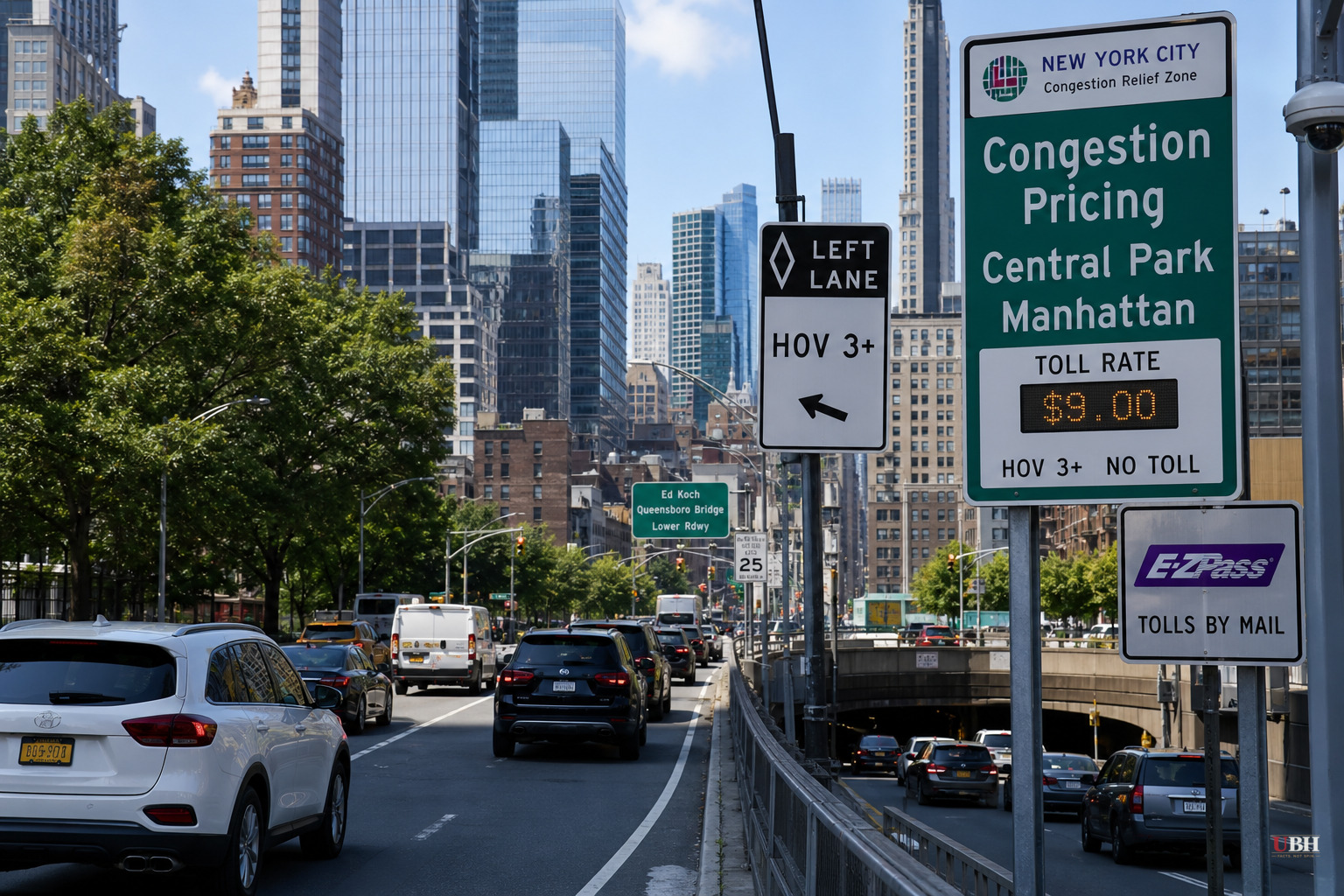
New York City Council Majority Leader Shaun Abreu is asking the MTA to investigate whether rideshare app Empower has been dodging the city's congestion pricing charges, according to the New York Post.
His argument is straightforward. Empower doesn't hold a Taxi and Limousine Commission license. Because of that, Abreu says, the company hasn't been collecting the per-trip congestion fees that Uber, Lyft and yellow cabs are legally required to pass on to riders. That lets Empower advertise cheaper fares than its licensed competitors.
The math, if Abreu's estimate holds up, isn't small. He says Empower may be facilitating as many as one million rides a month in New York City. If true, the unpaid congestion charges could add up to tens of millions of dollars a year, money that would otherwise flow into the region's transit funding.
Abreu has asked the MTA to figure out how many Empower trips actually crossed into the congestion pricing zone without the toll being paid, tally up what's owed, and go after repayment if the numbers check out.
MTA says it's already looking into it
MTA Chairman Janno Lieber told the Post the agency is already examining the issue and intends to recover any fees that should have been collected. Lieber said companies shouldn't get to exploit regulatory loopholes to undercut competitors who are playing by the rules.
If Uber, Lyft and yellow cabs are forced to pass congestion charges on to riders, and a competitor isn't, that competitor gets a real pricing edge that has nothing to do with efficiency or better service. It's a subsidy created by a gap in the rulebook, not the market.
Empower's defense: we're not a rideshare company
Empower disputes all of it. The company says it has repeatedly offered to work with city officials on paying any applicable taxes or congestion charges, and claims those offers were rejected.
Empower's core argument is that it isn't a traditional rideshare operator at all. Drivers pay a monthly subscription fee to use the platform, set their own fares, and keep the full amount passengers pay. Empower calls itself a software marketplace connecting drivers and riders, not a transportation provider, and argues it shouldn't be regulated the same way as Uber or Lyft.
Because TLC licensing requirements and the congestion fee collection duties that come with them are built around the assumption that the platform itself is dispatching and pricing rides, the question of whether Empower's business model is genuinely different matters. If it is, that's a real legal question, not just a semantic dodge. Courts, not press releases, are where that gets settled.
Already in litigation on two fronts
This dispute isn't happening in a vacuum. The city has already filed suit against Empower, alleging it's effectively operating as an unlicensed rideshare service while avoiding the regulatory requirements and costs its licensed competitors have to absorb.
Empower has run into the same wall in Washington, D.C. Courts there previously ordered the company to stop offering rides without proper authorization and later imposed millions of dollars in contempt penalties after the company continued operating, according to the Post's reporting.
One regulatory fight in one city could be a gray-area business model getting tested for the first time. Two cities, two legal disputes, and a prior court order in D.C. suggests a company running the same playbook repeatedly and losing the same argument.
What happens next
No findings have been announced yet. The MTA has not released trip data, a revenue estimate, or a timeline for its review, and no court has ruled on whether Empower's subscription model exempts it from TLC licensing or congestion fee collection.
The open question is whether Empower's software-marketplace framing holds up once the MTA actually examines trip volume into the congestion zone. If Abreu's million-rides-a-month figure is close to accurate, the number the city eventually puts on unpaid fees will be the thing that determines whether this stays a policy dispute or turns into a straightforward debt collection case.
Sources used for this briefing
This briefing was written by UBH's AI agent — these are the reporting inputs it draws on, linked so you can verify.


