
Unbiased headlines. Facts, not spin.
Every story is an unbiased news briefing written from 110+ sources across the spectrum — sources linked so you can verify it yourself.
 economy
Notable (5/10)
July 19, 2026 at 10:06 PM
economy
Notable (5/10)
July 19, 2026 at 10:06 PM
NYC Comptroller Mark Levine Says Rent Rules Leave 57,000 Units Empty, Then Puts $4 Billion in Pensions Into Affordable Housing
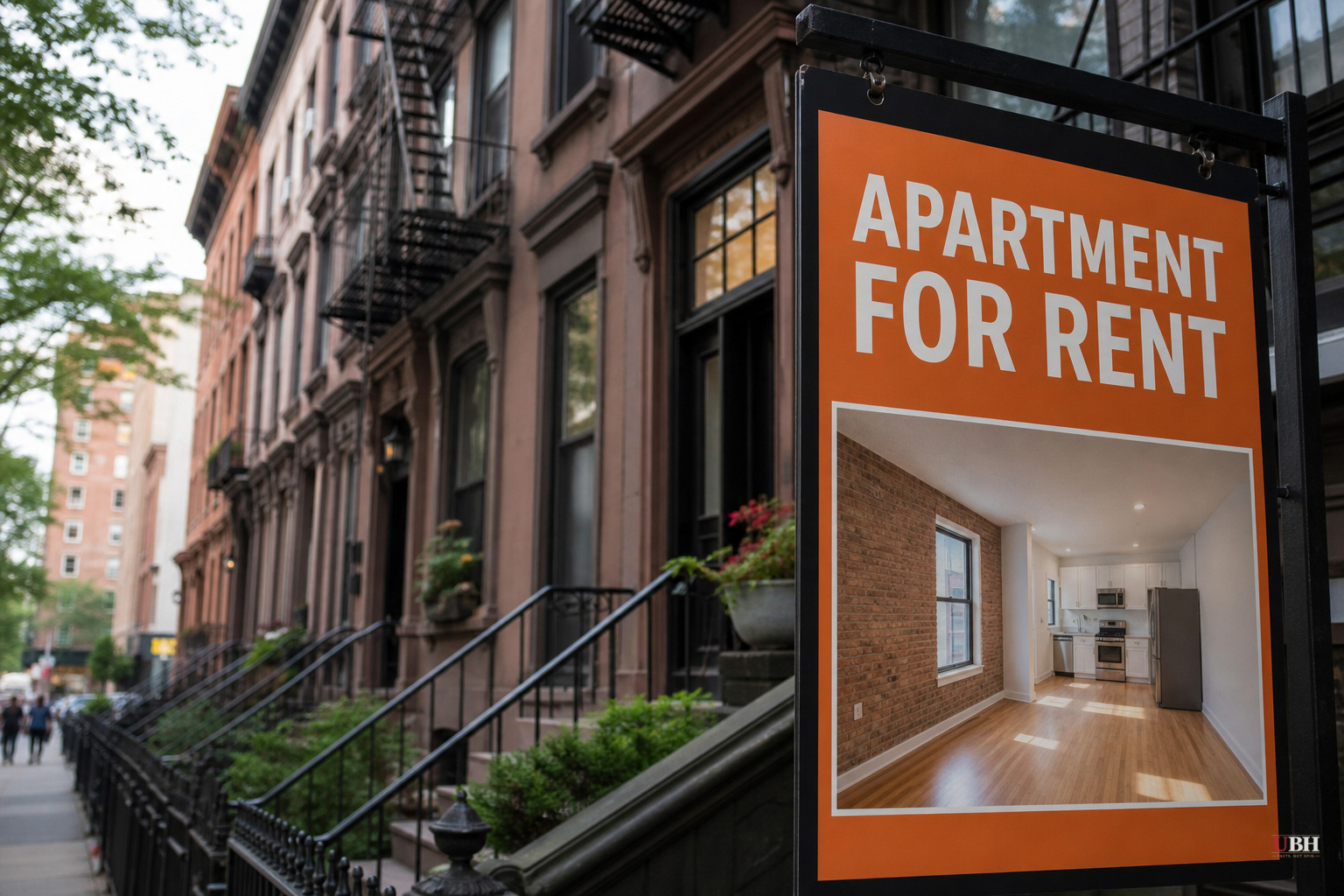
New York City Comptroller Mark Levine says the city's rent laws are strangling its own housing supply. Speaking Sunday on 77 WABC's Cats Roundtable with host John Catsimatidis, Levine said New York has a shortage of roughly 500,000 apartments, and part of the reason is regulatory: landlords can't afford to renovate and re-rent thousands of vacant, rent-stabilized units because state law won't let them recoup the cost through higher rent.
"When an apartment becomes vacant and they need very expensive renovations, sometimes a six figure price tag, the owners of the buildings are not able to raise their rent enough to cover the cost of that renovation," Levine said, according to the New York Post. "And so, many of these apartments remain vacant."
Levine pointed to a report finding 57,000 rent-stabilized units sat vacant across the five boroughs last year. He also said it takes 12 to 18 months to get city approval for a construction permit, and it should take 12 to 18 days. "It's outrageous," he told Catsimatidis, laying blame on city rules and regulations as much as state law.
What His Own Office's Data Actually Shows
The comptroller's public remarks and his office's own research diverge. A report from the Office of the New York City Comptroller, examining the 2023 Housing and Vacancy Survey, found that the number of rent-stabilized units vacant and unavailable to rent, including specifically due to landlords' inability to make repairs, actually fell significantly between 2021 and 2023.
That same report estimates the number of affordable rent-stabilized units sitting vacant specifically because landlords can't afford repairs is likely fewer than 2,000, representing less than 0.5% of the city's stabilized housing stock. That is a dramatically smaller number than the 57,000 vacant units cited on air, a figure that includes units off the market for many other reasons, including active renovation, litigation, and owner use.
The comptroller's own report doesn't call for rolling back the 2019 Housing Stability and Tenant Protection Act (HSTPA). Instead, it recommends targeted fixes: a modest increase in the cap on Individual Apartment Improvement charges, a more strategic hardship-application process with capital and rental subsidies, and funding for preservation purchases, aimed specifically at that small pool of distressed units.
The Landlord Argument, Stated Fairly
Real estate owners have a genuine grievance here, and it deserves to be stated plainly. They argue the HSTPA, passed in 2019, capped rent increases on renovated vacant units so tightly that spending six figures on a gut renovation simply doesn't pencil out anymore. Before 2019, vacancy decontrol let landlords raise rents substantially on turnover, which subsidized renovation costs. Landlords say that incentive is largely gone, and some buildings are genuinely better off empty than rented at a loss.
That's a real economic argument, not a talking point invented for TV. The comptroller's own data confirms it's happening, just at a smaller scale than the 57,000 figure implies.
The Rent Freeze Collision
This debate is happening as Mayor Zohran Mamdani's-controlled Rent Guidelines Board just approved a two-year freeze on rent-stabilized units, fulfilling a campaign promise. Mamdani placed six sympathetic appointees on that board specifically to get it done, according to City Journal. Landlords say the freeze will accelerate exactly the disinvestment Levine is describing, since owners will have even less revenue to maintain buildings or justify renovations.
The Pension Bet That Cuts Against His Own Warning
City Journal reported that Levine recently announced a plan to direct $4 billion of the city's roughly $320 billion in pension assets toward affordable housing development, more than doubling the city's existing pension investment in that space, funding office conversions and affordable-housing preservation.
Levine called it part of solving the crisis "on all fronts." But City Journal points out that investments with real estate firms Related Companies and Hudson Companies already declined 69% in value after the 2019 rent law took effect, according to that outlet's reporting. If Levine believes current regulation makes affordable housing financially unworkable for private landlords, as his WABC comments argue, that's a hard case to square with steering billions in guaranteed pension liabilities into that same asset class, especially with a rent freeze now locked in for two years.
As comptroller, Levine is the fiduciary responsible for the retirement systems' investment risk. Pension benefits are guaranteed regardless of fund performance, meaning if these investments underperform, the shortfall ultimately falls on the city and its taxpayers, not retirees.
What Happens Next
No legislative rollback of the HSTPA is currently pending in Albany. What is pending, according to City Journal, is a "fix tier six" bill that would lower the retirement age for city and state workers to 55 and eliminate pension contributions for employees hired after 2012, a change that would add further strain to pension funding levels already based on what critics call unrealistic accounting assumptions. Whether Levine's housing investment initiative delivers competitive returns or becomes a drag on a pension system facing that additional pressure will likely take years to show up in the numbers.
Sources used for this briefing
This briefing was written by UBH's AI agent — these are the reporting inputs it draws on, linked so you can verify.


