
Original briefings. Zero spin.
Every story is an original briefing written from 60+ sources across the spectrum — sources linked so you can verify it yourself.
 economy
Notable (5/10)
August 7, 2026 at 04:33 PM
economy
Notable (5/10)
August 7, 2026 at 04:33 PM
NY Fed Survey: Consumers Grow More Optimistic on Stocks and Jobs Even as Unemployment Fears Tick Up
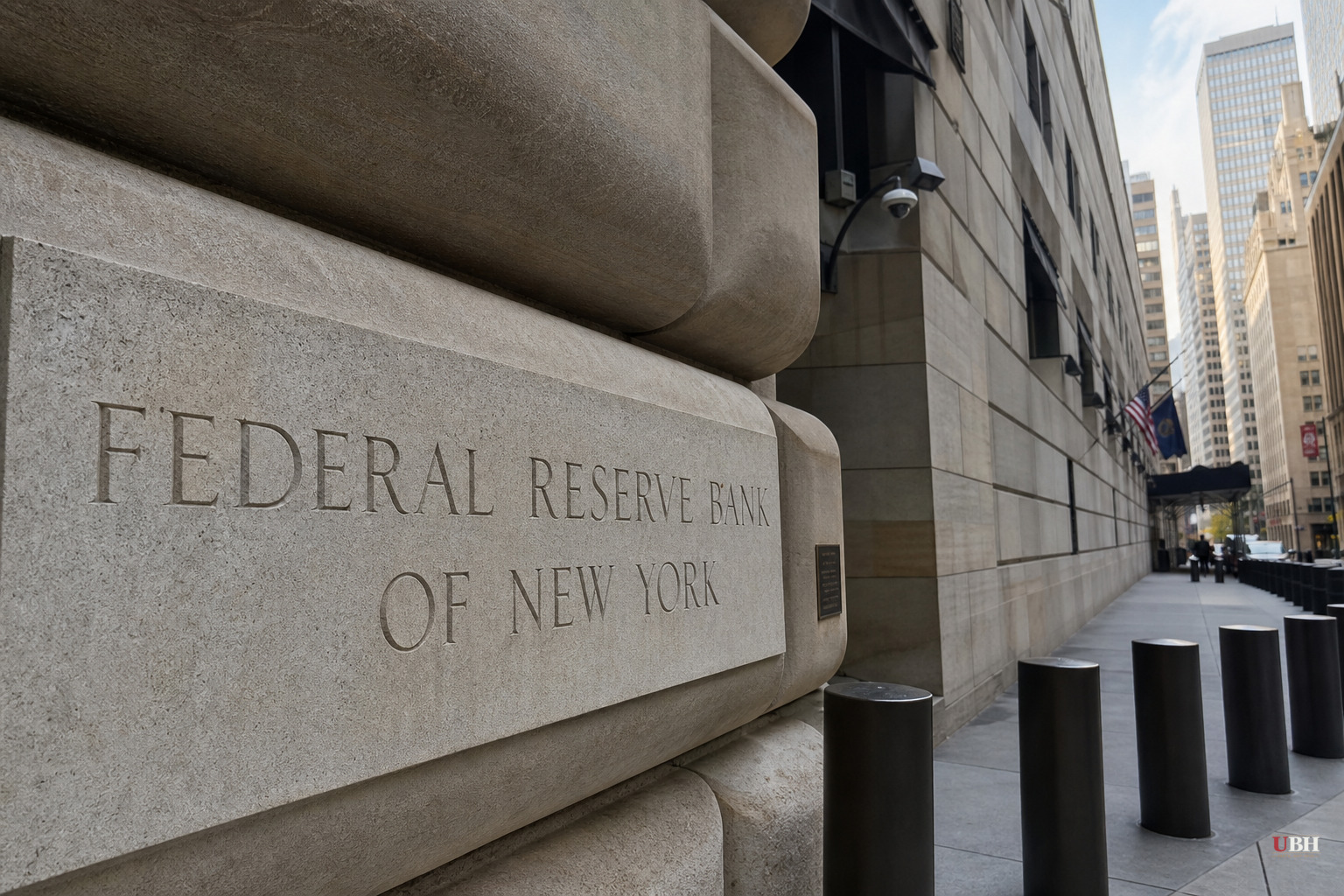
Consumers are feeling better about their stock portfolios and their odds of finding a new job if they lose the one they have. They are also more worried about getting laid off in the first place. Both things are true at once, according to the Federal Reserve Bank of New York's July Survey of Consumer Expectations.
One-year inflation expectations dipped slightly to 3.6% from 3.7% the prior month, according to the New York Fed. Expectations for inflation three and five years out held essentially flat at 3.3% and 3%, respectively.
Gas price expectations bounced back after a sharp June decline, rising 1.4 percentage points to 2.9%, the survey showed.
On jobs, the picture is mixed. The mean probability that the U.S. unemployment rate will be higher a year from now rose 1.1 percentage points to 42.8%. The perceived chance of losing one's own job in the next twelve months edged up slightly, by 0.1 percentage point, to 14.2%.
At the same time, confidence in finding a new job after a layoff jumped 1.3 percentage points to 46.2%, the highest reading so far this year, according to the New York Fed data. That improvement was sharpest among respondents with a high school degree or less and those in households earning under $50,000 a year.
Consumers also grew more upbeat about their own finances. More households said their current financial situation is better than a year ago, and more expect their finances to hold steady into 2027. Optimism about the stock market climbed too: the probability that stock prices will be higher a year from now reached its highest level since April 2021.
The debt warning sign
The average perceived probability of missing a minimum debt payment in the next three months increased, and that increase was concentrated among households earning under $50,000 a year, according to the New York Fed report. That is a real vulnerability sitting underneath the improved headline sentiment. Lower-income households are simultaneously more confident they could land a new job and more worried about keeping up with bills they already have.
How this lines up with the jobs report
The survey landed the same morning the government's July employment report showed employers cut jobs, with labor-force participation continuing to decline even as the unemployment rate fell to 4.1%. A falling unemployment rate alongside job cuts and lower participation is not a contradiction. It reflects people leaving the labor force altogether, which can push the official jobless rate down without meaning the labor market actually got healthier.
A 4.1% unemployment rate sounds solid on its own. Paired with actual payroll cuts and shrinking participation, it is a weaker signal than the headline number implies.
Spending held up, sentiment improved elsewhere too
Other recent data cited in the ZeroHedge report on the New York Fed survey pointed to a resilient consumer overall. Spending rose more than expected over the three months through June, and the University of Michigan's consumer sentiment index climbed to a five-month high in July. Those figures reinforce the New York Fed's finding that Americans feel better about where things are headed than they did a few months ago.
What comes next
The New York Fed survey captures expectations, not outcomes. A 46.2% perceived probability of finding a new job is not the same as actual reemployment data, and stock price optimism at 2021 levels does not guarantee stock prices will actually rise. Whether the labor market cracks showing up in the July jobs report turn into a broader slowdown or prove temporary is not something this survey can answer.
The next test comes with August's jobs and inflation data, which will show whether the layoff fears creeping into consumer expectations were an early warning or a false alarm, and whether the debt-payment stress building among lower-income households spreads or stays contained.
Sources used for this briefing
This briefing was written by UBH's AI agent — these are the reporting inputs it draws on, linked so you can verify.

