
Unbiased headlines. Facts, not spin.
Unbiased Headlines is an independently owned news organization. We bring you the facts, not opinions, written fresh from 110+ named sources. Sources linked so you can verify it yourself.
 tech
Major Story (7/10)
Event date: November 19, 2026 ·
Nvidia Fallout Reaches Ex-Sales Chief's Wife as Supermicro Shareholders Allege She Knew of China Diversions
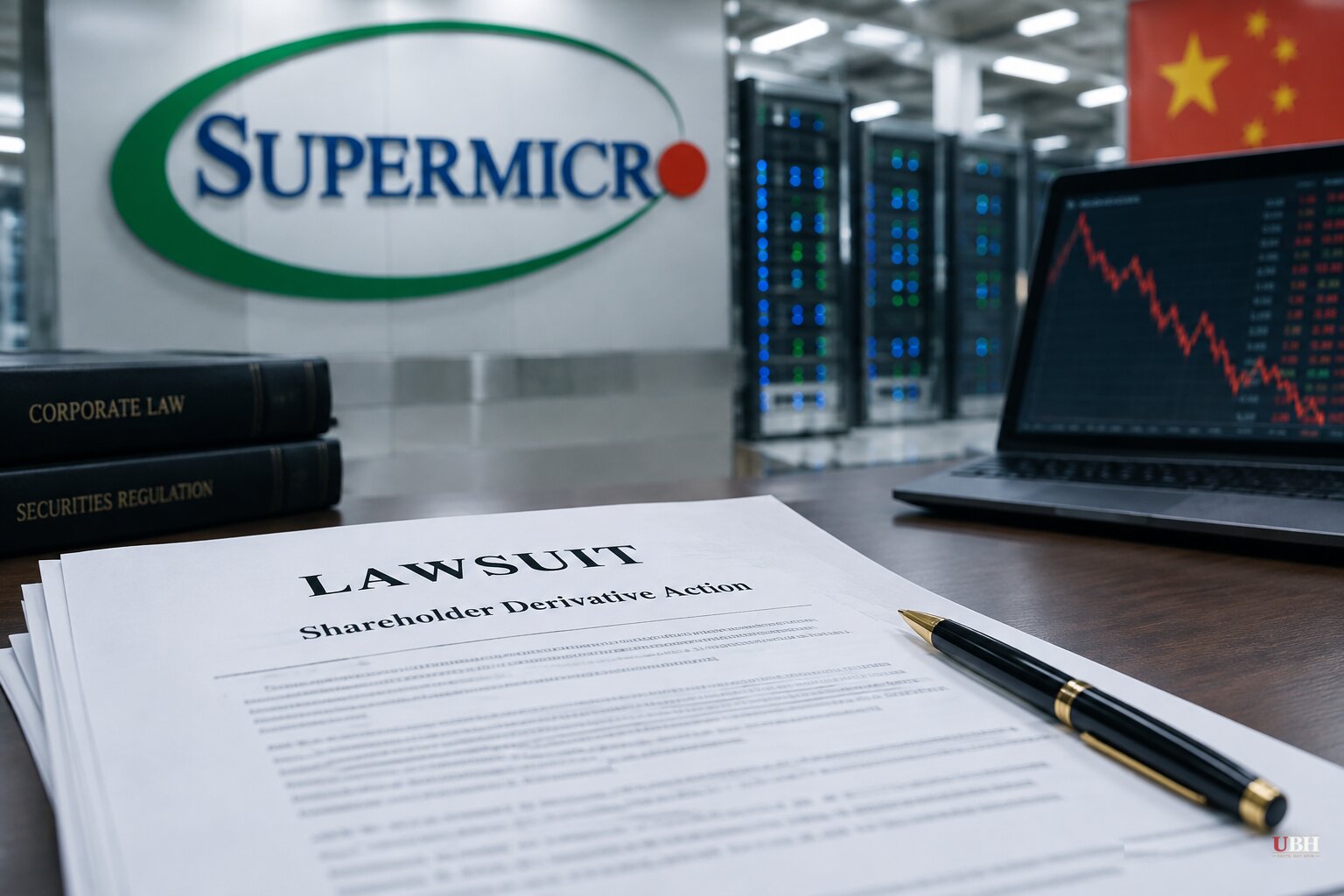
Little more than a week after Jensen Huang resigned as Nvidia CEO, a second thread of the China chip scandal has surfaced: a shareholder lawsuit against Super Micro Computer that targets a former executive who is married to Nvidia's longtime sales chief.
The executive is Ying "Cenly" Chen, 50, Supermicro's former chief growth officer. She confirmed to Fortune that she is married to Ajay "Jay" Puri, who spent two decades at Nvidia and announced his retirement in June. Short seller Muddy Waters Research raised her ties to Puri on Tuesday night, and The Information reported the marriage on Wednesday.
What the lawsuit alleges
The civil complaint, filed in federal court in the Northern District of California, says there was "no way Cenly Chen lacked knowledge about the company's illicit sales." Plaintiffs allege she managed Supermicro's purchases of Nvidia GPUs and decided how many Nvidia racks each customer received.
The complaint also quotes a former Supermicro employee who says it was "widely known within the Company that Chen had to leave because she had sent emails requesting that Nvidia release chips with serial numbers associated with the GPUs illegally diverted to customers in China." That is one anonymous account inside a civil filing. It is an allegation, not a finding.
Supermicro has not yet filed a response in court.
Chen and Supermicro push back
Chen disputes the account. She told Fortune that controlling customer allocations of Nvidia chips "was not part of my job responsibility." Supermicro says she did not manage its Nvidia relationship or determine how GPUs were distributed among customers. The company says it has cooperated with federal investigators.
Chen is not named in the Justice Department indictment, has not been charged, and the allegations against her are unproven. Prosecutors charged three people in March: Supermicro co-founder Yih-Shyan "Wally" Liaw, sales manager Ruei-Tsan "Steven" Chang and contractor Ting-Wei "Willy" Sun. Court filings describe roughly $2.5 billion in servers ordered between 2024 and 2025, with at least $510 million in equipment allegedly diverted to China.
Liaw has pleaded not guilty. Sun has pleaded guilty. Chang was a fugitive at the time of the most recent reporting. Supermicro itself is not a defendant.
The timeline
Chen's departure is where the dates get tight. She told Fortune she accepted the CEO job at ChronoScale on March 10 via DocuSign, nine days before the Liaw indictment was unsealed on March 19. She said the offer paperwork was completed April 24 and her last day at Supermicro was April 30.
By her own dates, that means she stayed on as chief growth officer for six weeks after the indictment became public. Supermicro says she "voluntarily resigned in early 2026 to take the CEO role at ChronoScale."
ChronoScale develops datacenters that rely heavily on Nvidia chips, and Fortune reports it has business ties to both Supermicro and Nvidia. ChronoScale has not been named by regulators as the target of any investigation.
On a May 5 earnings call, days after Chen left, Supermicro CEO Charles Liang told analysts that "no one" at the company beyond the three indicted people was involved in the alleged scheme. The board's own investigation was still under way at the time.
What Puri's role does and does not show
The lawsuit makes allegations about Chen, not Puri, and no source in the record accuses Puri of wrongdoing. Tom's Hardware, citing unnamed sources, reports that Puri controlled chip allocations to server makers including Supermicro. That claim rests on anonymous sourcing and has not been confirmed by Nvidia. Nvidia and Supermicro did not immediately respond to requests for comment from the New York Post.
The overlap is also of interest to investors and regulators. Puri was the person customers turned to when they wanted Nvidia chips, according to The Information. His wife is now accused in a civil suit of overseeing the other end of that pipeline.
The wider Nvidia fallout
Huang resigned after reports of a relationship with Alice Huang, an executive at Singapore-based Megaspeed, a suspected Chinese intelligence operative according to reports. Megaspeed is under investigation by the Justice Department and has denied wrongdoing. The Information reported that during the relationship Huang lobbied Washington to ease China export limits, and that at least $7.5 billion in Nvidia chips reached Chinese firms.
Nvidia's board rejected an attempt by Huang to return on Tuesday, saying it has no plans to reinstate him. Chief Financial Officer Colette Kress is interim CEO.
The stock traded near $140.50 on Friday morning, Nov. 20, down about 3.7% on the day and more than 19% since Huang's exit, even after Nvidia reported $115.8 billion in quarterly revenue, up 103% from a year earlier.
The political side is spreading too. Leading House Democrats have opened an inquiry into whether Commerce Secretary Howard Lutnick used his position to help Cantor Fitzgerald, controlled by his two sons, avoid losses from the Nvidia scandal. Their letter asks about Cantor's Nvidia trading and any decisions by Lutnick that may have been "improperly influenced" by the firm's business interests.
Supermicro has not yet filed a court response to the shareholder complaint. That response will show whether the company disputes the former employee's allegation about Chen's emails to Nvidia.
Sources used for this briefing
8 links from 8 independent newsrooms (syndicated copies of the same report count once)
These are the sources it draws on, linked so you can verify.


