
Unbiased headlines. Facts, not spin.
Unbiased Headlines is an independently owned news organization. We bring you the facts, not opinions, written fresh from 110+ named sources. Sources linked so you can verify it yourself.
 tech
Major Story (7/10)
Event date: November 16, 2026 ·
Bessent Says Remote Access to Restricted AI Chips Has Been Curtailed, Pushes Enforcement Over New Legislation
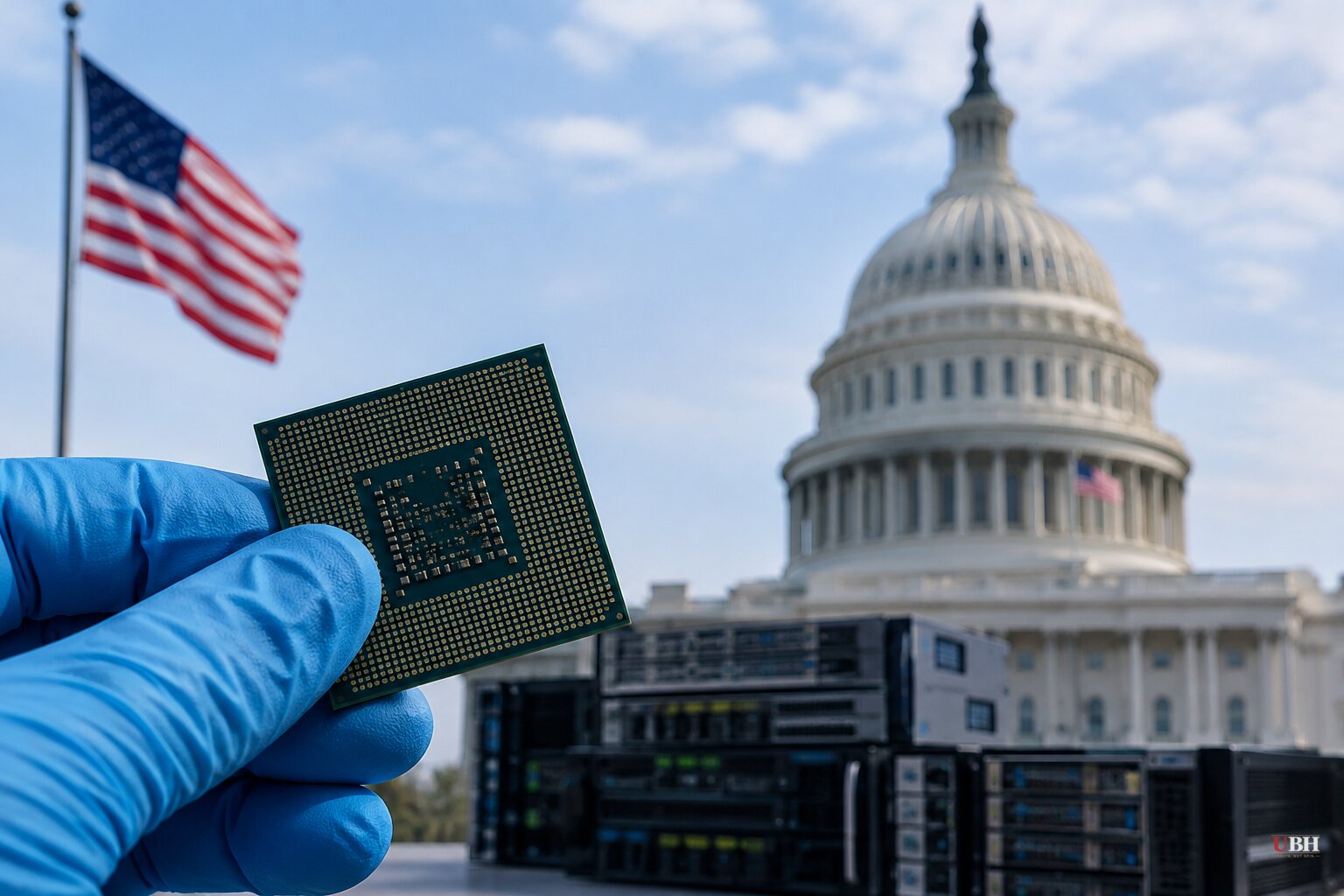
Since Commerce's Bureau of Industry and Security issued its interim final rule on Monday, Nov. 16, the fight inside the administration has moved from the rule's text to who failed to enforce the old ones.
On Friday, Nov. 20, Bessent said the government has curtailed remote access to restricted chips and will make sure proper restrictions are in place. His message is enforcement of existing export controls, not new rules. He has not said which access routes have been shut so far.
The rule and who wrote it
The rule requires a license to export advanced AI chips to data center customers headquartered in Indonesia, Malaysia, Singapore, Thailand and Brazil. The administration says those countries "present a higher-than-normal risk of diversion."
It also targets the remote access gap. Chinese firms barred from buying top chips directly can rent compute from data centers elsewhere. The chips stay put and the output goes to the customer.
Overseas data centers that supply "significant volumes" of computing power to companies headquartered in China, Russia, Cuba, Macau or other restricted locations would need their own license. Operators must perform "robust due diligence" and file monthly reports naming all parties, their parent companies and the final destination.
The rule text itself says it was "written by and at the direction of the Department of Treasury and the National Security Council." That is unusual for a Commerce rule. Commerce had held off on new chip restrictions for the past year, and Secretary Howard Lutnick has been asked in recent months why the Entity List had not been updated in more than a year.
According to the Commerce summary, the rule takes effect 90 days after it is posted to the Federal Register. A carve-out exempts compute used "exclusively" for commercial recommender systems.
The Megaspeed dispute
The friction centers on Megaspeed, a Singapore-based Nvidia customer. U.S. authorities have scrutinized allegations that it helped divert restricted chips to Chinese buyers. Megaspeed has denied wrongdoing.
On CNBC on Nov. 13, Bessent said multiple departments had pushed for months to add Megaspeed to the Entity List, the roster of foreign firms that need special licenses to receive U.S. technology. He criticized Commerce for not acting. Crypto Briefing reported that Megaspeed is suspected of buying more than $4.8 billion in Nvidia chips over roughly two years.
Rep. John Moolenaar (R-Mich.), chair of the House China Select Committee, made a similar point on CBS's "Face the Nation" on Nov. 15. "How do we win this competition with China when you have the Commerce Department and others not either enforcing or investigating questionable practices?" he asked. He also asked why Commerce "so adamantly opposed" export controls and "to what degree did Jensen Huang influence that."
Nvidia's exposure
The New York Times reported that American officials had concluded Alice Huang, a former top Megaspeed executive, was a Chinese intelligence asset gathering information for Beijing. China denies the allegation. The Times also reported she had developed a close relationship with Nvidia CEO Jensen Huang. Huang admitted being "unfaithful" to his wife and resigned last week. Nvidia's board said it was investigating whether he was the target of a foreign intelligence effort. Congress is probing whether the relationship helped Megaspeed become one of Nvidia's biggest customers.
Nvidia was not shipping directly to China. Its chips went to Megaspeed in Singapore. Bessent has put the question to the company directly. "We will see if Nvidia intentionally ignored the warning signs of these shell companies, many of them in Singapore," he told Fox News's Larry Kudlow on Nov. 15. "Was it a low level fail? Was it in the middle or was it up in the C-suite?"
Nvidia has opened its own investigation and hired an outside law firm. Bessent said the government needs answers from the board and the firm within 10 days of his Nov. 15 remarks, which puts the deadline around Nov. 25.
Nvidia shares were down about 1.6% after the market opened Monday, the day the rule was released. Nvidia holds roughly 90% of the AI computing market, according to Business Insider. Huang has said the U.S. must stay ahead of China in AI, but he and the company opposed the export restrictions on China.
Legislation versus enforcement
House Minority Leader Hakeem Jeffries (D-N.Y.) and other lawmakers are calling for tighter export restrictions. Some new curbs are already in a bipartisan defense bill moving through Congress.
Bessent disagrees. "I don't think we need the legislation," he told Kudlow. "We have all the rules we need, we just need them enforced."
Beijing objects to the rule itself. Foreign ministry spokesperson Guo Jiakun said Tuesday that the U.S. had "continuously overstretched the concept of national security." He said the measure runs counter to the consensus reached between the two sides and "disrupt[s] the stability of global industrial and supply chains."
Two things are now on the calendar. Nvidia's board and law firm owe Bessent answers around Nov. 25. The rule's licensing requirements are set to take effect 90 days after Federal Register posting. Whether Commerce adds Megaspeed to the Entity List before then is still an open question; Bessent said on Nov. 13 that other departments had been pushing for it for months.
Sources used for this briefing
7 links from 7 independent newsrooms (syndicated copies of the same report count once)
These are the sources it draws on, linked so you can verify.


