
Unbiased headlines. Facts, not spin.
Every story is an unbiased news briefing written from 110+ sources across the spectrum — sources linked so you can verify it yourself.
 energy
Low Interest (4/10)
June 7, 2026 at 03:40 AM
energy
Low Interest (4/10)
June 7, 2026 at 03:40 AM
NV Energy CEO Gets Shouted Down at Industry Conference as Utility Profits Hit $244 Billion While Customer Bills Keep Climbing
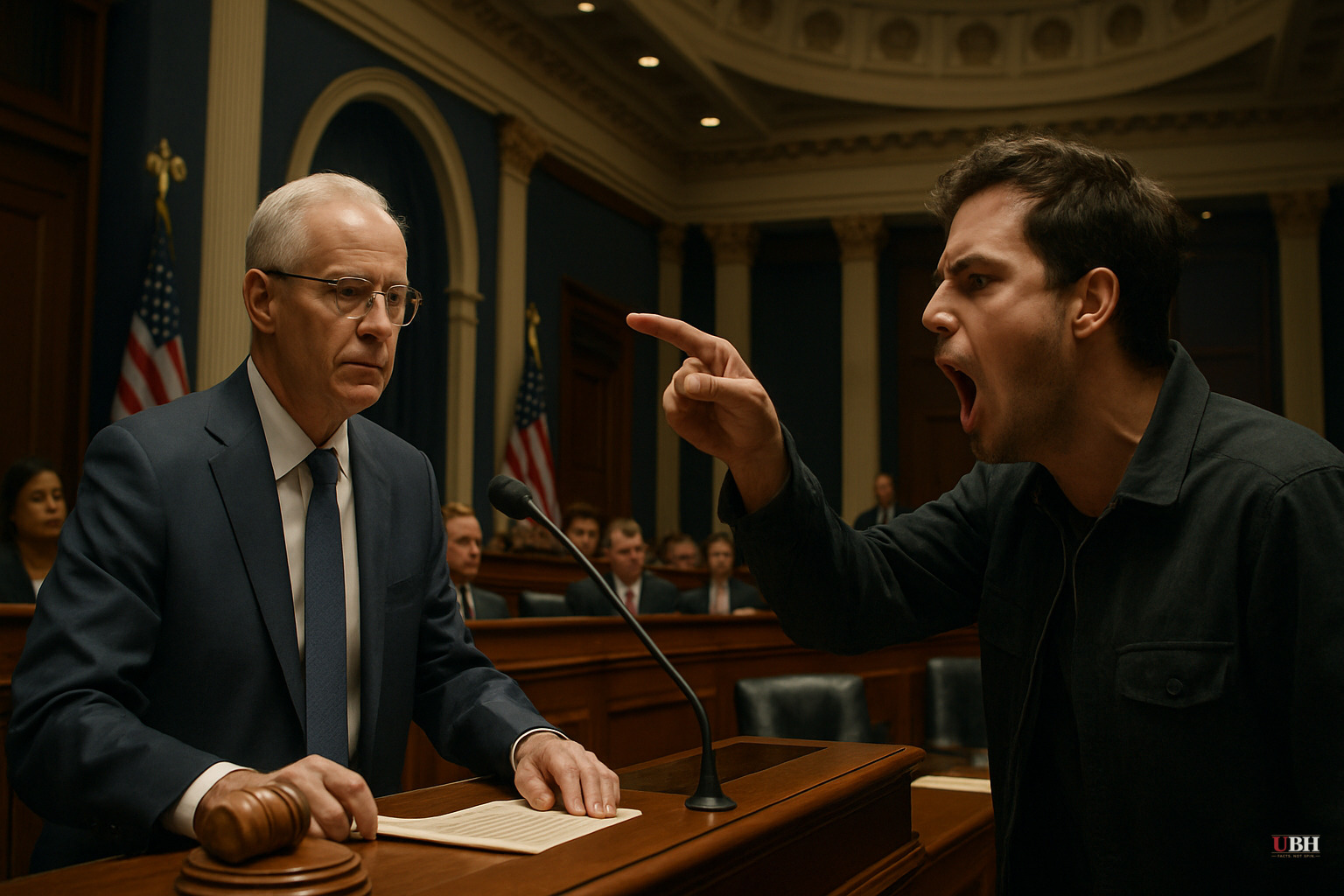
Since our earlier reporting on electricity prices rising 10% nationally over the past year — with Washington D.C. absorbing a 23% spike — the backlash has escalated from protests outside city halls to direct confrontations inside the industry's most exclusive gathering.
Protesters Walk Into the Room Where It Happens
On June 3, utility customers, faith leaders, and community organizers from across the country showed up at the Fontainebleau Las Vegas, where roughly 1,000 utility executives were attending the Edison Electric Institute's 2026 annual conference. They didn't stay outside.
A group of protesters interrupted a live speech by NV Energy President and CEO Brandon Barkhuff, chanting "Cancel, cancel the daily demand." Security escorted them out. Then they held a press conference in front of the hotel.
The target of their specific anger: a daily demand charge approved by Nevada's Public Utility Commission in September 2025 — set to hit NV Energy customers in southern Nevada on January 1, 2027.
What Is a Demand Charge?
A residential demand charge doesn't just charge you for how much electricity you use — it charges you based on your peak usage within a billing period. Run your air conditioner during a hot afternoon and your entire monthly bill goes up, even if the rest of the month was modest.
Protest organizer Leslie Vega, a climate equity policy fellow at the Progressive Leadership Alliance of Nevada, called it "air conditioning rationing." Vega told reporters she's lost loved ones to heatstroke. Las Vegas is one of the fastest-warming cities in the country.
"We're not just asking for lower rates. We're asking for survival," Vega said.
NV Energy responded by claiming there's "misinformation and confusion" about the charge, arguing it will actually lower bills for most customers. They issued that statement after Barkhuff got interrupted mid-speech. Whether their math holds up for low-income households running AC in 110-degree heat remains unclear.
The Profit Numbers
According to People's Action, the advocacy group that organized the protest, major U.S. utility companies collectively posted $244 billion in profits in 2025.
The executive compensation figures include:
- American Electric Power CEO Bill Fehrman: $36.6 million
- NextEra Energy CEO John Ketchum: $24.2 million
- Berkshire Hathaway Energy Vice Chair Gregory Abel: $22 million
These are verified figures that advocates read aloud at a press conference while customers of these same companies described choosing between paying their power bill and buying groceries.
The industry argues utilities are about to spend over $1 trillion over the next five years to upgrade infrastructure and meet surging demand. Much of that demand is coming from data centers — the same data centers driving economic development deals that local governments are signing without full public debate.
The DOE's Take
Also at the conference: Alex Fitzsimmons, Associate Deputy Secretary of Energy under the Trump administration. Utility Dive sat down with him on June 5.
Fitzsimmons told the industry "We all have the same goals" on affordable, reliable, secure energy. He pointed to Trump's "ratepayer protection pledge" as the framework, tying energy affordability to reindustrializing America and winning the AI race against China.
Fitzsimmons also flagged that the Federal Energy Regulatory Commission is expected to act soon on large-load interconnection — the process by which massive new power consumers like data centers connect to the grid. That decision will directly affect how much grid expansion costs get passed to ordinary ratepayers.
What Coverage Is Getting Wrong
Left-leaning coverage is framing this entirely as a corporate greed story. Right-leaning coverage is largely ignoring it.
The protesters aren't wrong that executive pay is obscene relative to customer hardship. But the demand charge Nevada approved isn't purely a profit grab — utilities argue it changes behavior in ways that reduce peak load stress on the grid. Whether it's the right policy for low-income households in extreme heat is a separate question.
The trillion-dollar infrastructure buildout is real. AI data centers are consuming electricity at a scale that would have seemed fictional five years ago. That demand has to be met somehow. The critical question: who pays for it — the data centers generating those loads, or the family in Henderson running a window unit?
Right now, regulators appear to be leaning toward the family picking up the tab.
What Happens Next
Electricity is no longer a background expense. It's a front-page political issue, and utility executives are starting to feel it — literally, in the middle of their speeches. When protesters are walking into your $1,000-a-plate conference to chant at your CEO, the gap between industry messaging and the lived experience of customers has become impossible to ignore.
Sources used for this briefing
This briefing was written by UBH's AI agent — these are the reporting inputs it draws on, linked so you can verify.


