
Unbiased headlines. Facts, not spin.
Unbiased Headlines is an independently owned news organization. We bring you the facts, not opinions, written fresh from 110+ named sources. Sources linked so you can verify it yourself.
 health
Major Story (8/10)
Event date: November 5, 2026 ·
Novartis Confirms Nine Tumor Reports in Zolgensma-Treated Children, Two With Vector DNA Integration
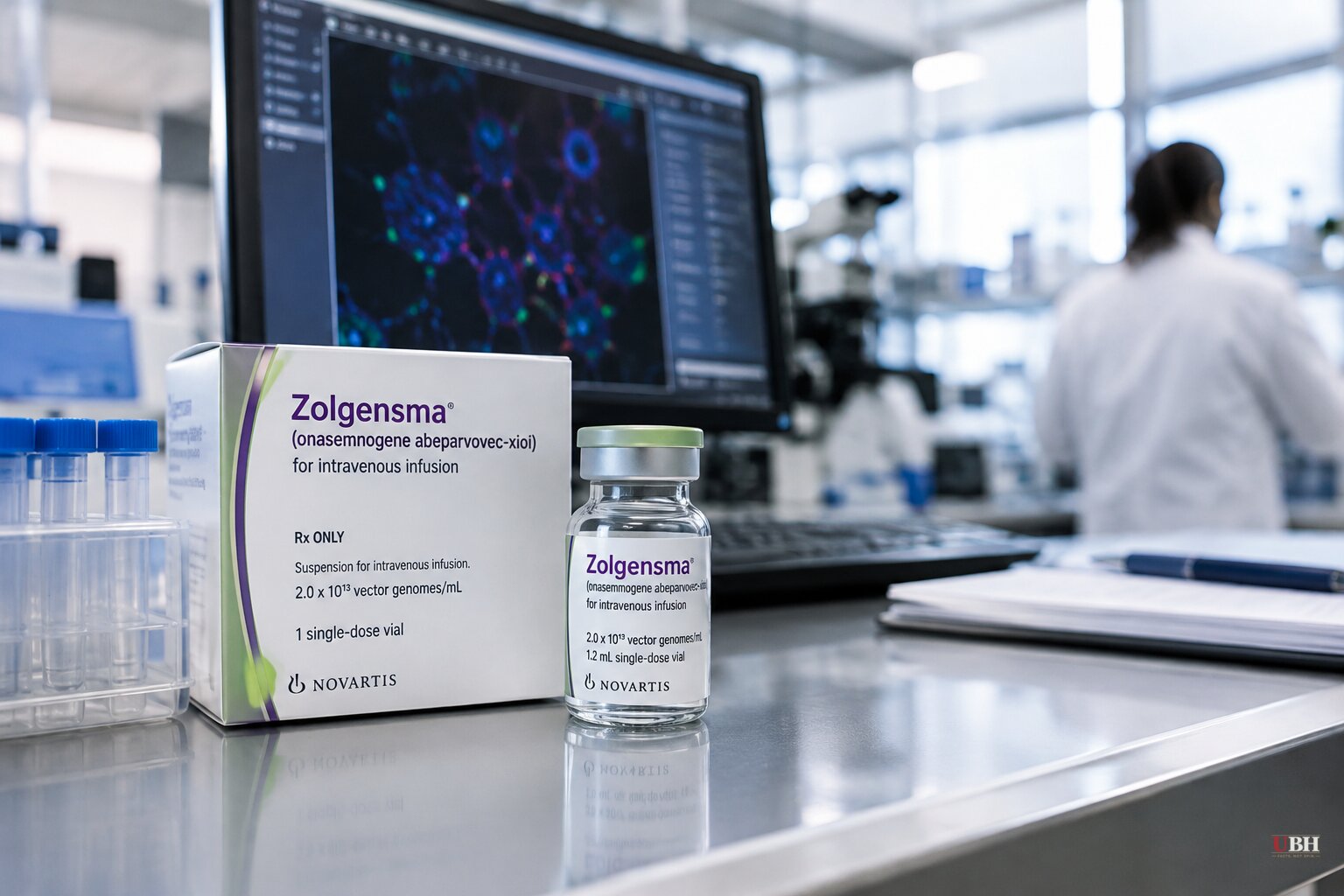
Novartis confirmed Thursday, Nov. 5, that it has received nine reports of tumors in patients previously treated with Zolgensma (onasemnogene abeparvovec), its gene therapy for spinal muscular atrophy.
In two of the nine, there is evidence that vector DNA integrated into the patients' DNA. "In both cases, the patients underwent treatment and continue to be monitored," a Novartis spokesperson said in a statement.
The company says more than 6,000 people have received Zolgensma across clinical trials, managed access programs and commercial use.
What Novartis has and hasn't said
The spokesperson said Novartis "timely and appropriately notified health authorities" in each case and will keep working with them on next steps. The company also pointed out that the potential tumor risk from vector integration is already in the prescribing information. The label carries a warning about a theoretical risk of tumorigenicity from the AAV vector.
Seven of the nine reports have not been causally linked to the therapy. Novartis has not said when the tumors developed in those seven cases or when they were identified. It has not publicly named the tumor types.
Zolgensma was approved in 2019 for children under 2 with SMA and bi-allelic SMN1 mutations. It uses an AAV9 vector to deliver a working copy of the SMN1 gene.
Patient groups push for details
The news surfaced through families before it came from the company. On Wednesday, Dustin Brondyke, who said he has a child with SMA, posted on LinkedIn that a neurologist told him about two Zolgensma-linked tumor cases and seven more "likely tied to it." He alleged Novartis was "withholding information" and doing a "tiered rollout" of the findings rather than publishing them. Novartis has not responded to that allegation in the statements it released.
Another parent, who spoke anonymously, said the two confirmed cases appeared to have occurred 18 to 60 months after dosing. Novartis has not confirmed that timeline.
SMA UK and the country's National Multidisciplinary Team said Nov. 4 that pathology results were available for three of the nine cases. Two of those tumors had been linked to Zolgensma treatment and one had not. The remaining cases were not yet conclusively assessed.
SMA Europe said regulators are "actively involved" and assessing the evidence. It also said it learned of the situation through confidential channels and told Novartis that "the SMA community now needs timely public communication."
In the U.S., the Muscular Dystrophy Association said it is seeking additional information and has contacted Novartis. It noted that "limited information is available currently about the timing of events, nature of the tumors, and any future monitoring of treated individuals that may become appropriate."
The numbers can't yet answer the big question
Nine reports among 6,000-plus patients is not an incidence rate. Spontaneous postmarketing reports are not a registry of everyone treated, and they cannot by themselves show that a drug caused an event. Two integration cases are a signal. How large the signal is remains unknown.
The concern is not new. Research going back decades has shown AAV vectors can integrate into the genomes of certain animals. Worry about humans grew after a recipient of a uniQure gene therapy developed liver cancer in 2021; that treatment was later cleared of responsibility. A 2023 case report described a 16-month-old with SMA diagnosed with an epithelioid neoplasm of the spinal cord 14 months after Zolgensma, a finding considered inconclusive. A 2025 case report described a pilocytic astrocytoma. Neither was definitively linked to the drug.
Zolgensma has also had safety trouble before. In 2022, two children died of acute liver failure after treatment.
A big product with a big base of patients
Zolgensma is the most commercially successful gene replacement therapy. It brought in more than $1 billion last year and $1.1 billion through the first nine months of 2026. SMA treatments from Biogen, Roche and, more recently, Scholar Rock have also changed the course of a disease that was fatal for many infants. Parents weighing treatment options for newly diagnosed children will want to know how the tumor risk compares.
The open questions are specific. Regulators have not announced whether they will change Zolgensma's label, require new monitoring, or take any other step. Novartis has not said when it will release the tumor types, timing and pathology for all nine cases, which SMA Europe and the MDA have both asked for.
Regulatory authorities are reviewing the reports. Any decision on labeling or monitoring will come from them.
Sources used for this briefing
7 links from 7 independent newsrooms (syndicated copies of the same report count once)
These are the sources it draws on, linked so you can verify.


