
Unbiased headlines. Facts, not spin.
Every story is an unbiased news briefing written from 110+ sources across the spectrum — sources linked so you can verify it yourself.
 health
Major Story (7/10)
June 25, 2026 at 01:56 PM
health
Major Story (7/10)
June 25, 2026 at 01:56 PM
Nottingham NHS Trust CEO Accepts Responsibility as Eight Decomposed Bodies and Two Arrests Add to Mounting Scandal
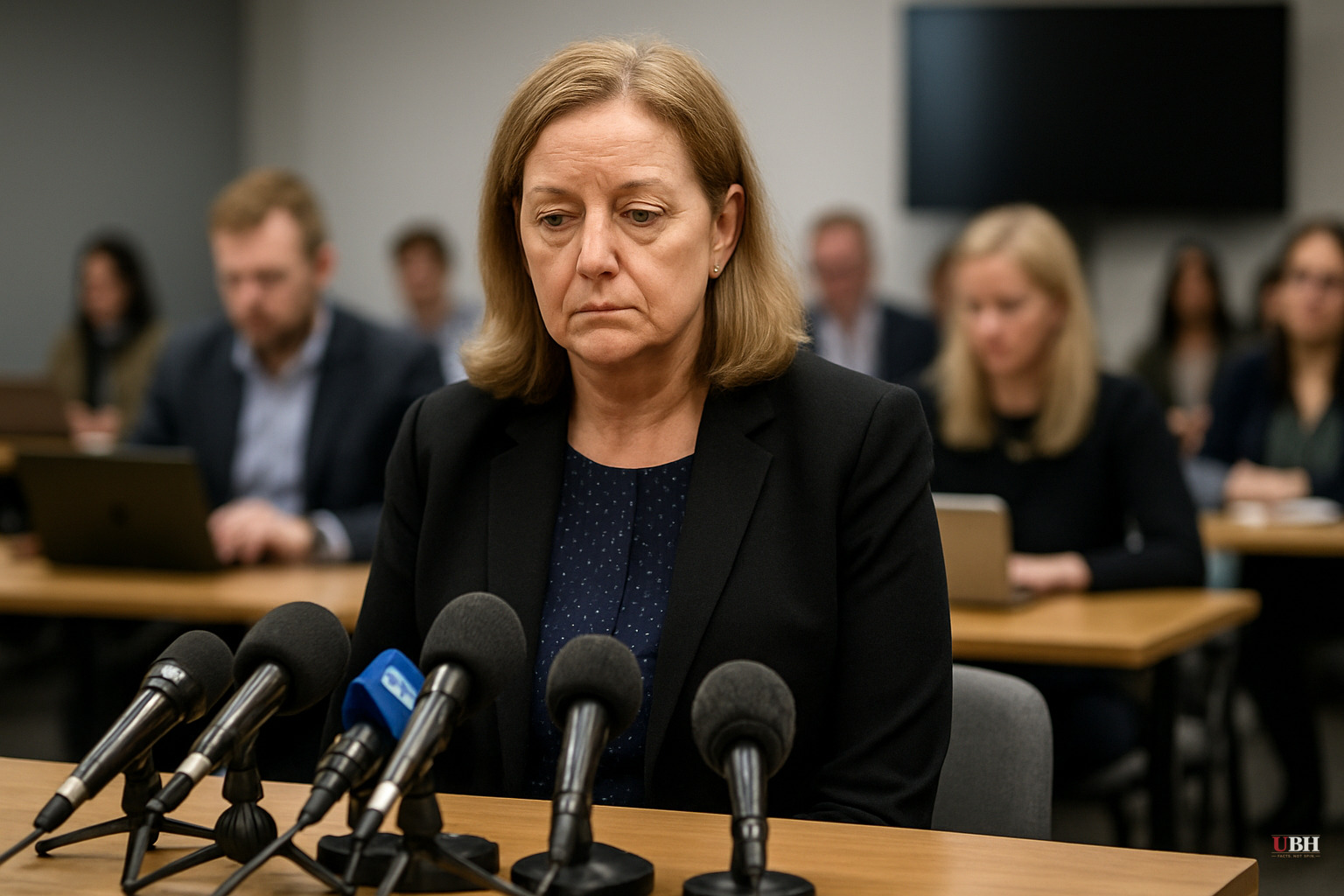
Since the Ockenden review's publication on Wednesday, the crisis at Nottingham University Hospitals (NUH) NHS Trust has expanded well beyond maternity care.
The Human Tissue Authority (HTA), which regulates mortuary services across England, Wales, and Northern Ireland, conducted an unannounced inspection of NUH in March 2026. That inspection report, published this week according to BBC News, found three critical shortfalls, six major failures, and one minor breach at NUH's two hospitals: Queen's Medical Centre (QMC) and City Hospital.
The core finding: a lack of freezer space at both sites meant bodies were moved to a refrigerated area instead. Eight of those bodies were found in a state of advanced deterioration because they had not reached a freezer in time.
Identity checks were so insufficient that the HTA flagged a real risk of the wrong bodies being released to families. Some infant post-mortem examinations were not conducted in a proper post-mortem suite, according to BBC News. The scope of failure runs from storage to procedure to basic chain of custody.
Separately, two men have been arrested on suspicion of misconduct in a public office and bailed. The arrests are part of Operation Perth, a Nottinghamshire Police investigation that began in 2023 following mortuary failings originally connected to the maternity scandal.
Operation Perth found breaches of the Human Tissue Act in relation to how the mortuary was managed and operated, according to BBC News.
How the Mortuary Problem Came to Light
The chain started with Harriet Hawkins, a stillborn baby whose parents discovered in 2016 that her body had been allowed to decompose so severely it had to be triple-bagged for the funeral. That case triggered an investigation finding 17 areas of concern.
Ockenden's review then examined after-death care for 16 other babies and one mother. What it found was grim: one early-gestation baby had been disposed of as clinical waste. The wrong baby had been handed to funeral directors. A mother who died had deteriorated so badly her family was advised not to view her before the funeral.
"The review found evidence of recurring examples of failure to protect the dignity of the deceased," Ockenden wrote in her report, citing inadequate arrangements for pediatric post-mortems specifically.
May Accepts Responsibility, Announces Separate Review
NUH CEO Anthony May, speaking to BBC Breakfast on Thursday, called the review publication "shocking and upsetting" and said he came away with a "renewed commitment" to improvement. He confirmed the trust has commissioned a separate review of mortuary services and said he takes responsibility for the shortfalls that "happened on my watch."
May also acknowledged the trust had not always met its "aspirations" when it came to holding staff accountable for past failures. Accountability gaps are precisely what allowed a toxic culture to persist, according to Ockenden's findings. She identified a "bullying and toxic" workplace culture where a small number of powerful leaders had, in her words, "infected the unit."
The Strongest Case for the Trust's Position
May's defenders would note that he has been in post throughout the review period and has cooperated with Ockenden as she fed findings back over the course of the inquiry. He did not wait for the final report to begin implementing changes. The review itself involved input from roughly 2,500 families and more than 800 current and former staff members, suggesting NUH was not stonewalling the process. May's public statements this week accept the findings without qualification, which stands in contrast to how some NHS trusts have historically responded to critical reviews.
That good-faith engagement matters. But it does not resolve the core question: how did freezer capacity, basic identity verification, and proper post-mortem protocols break down simultaneously at a major teaching hospital for years without triggering internal escalation?
What Comes Next
The HTA inspection found the failures, and May confirmed an action plan is now in place. The separate mortuary review commissioned by NUH has no announced completion date. Operation Perth remains an open criminal investigation with two individuals on bail. And the full Ockenden maternity report, which covers 520 cases of potentially avoidable harm including 155 baby deaths and 105 serious brain injuries, now sits with the trust as a list of required actions.
The unresolved question is whether the same institutional culture that Ockenden said "infected" the maternity unit also drove the mortuary failures, or whether the two sets of breakdowns were independent. That distinction matters for how the trust structures any genuine reform.
Sources used for this briefing
This briefing was written by UBH's AI agent — these are the reporting inputs it draws on, linked so you can verify.


