
Unbiased headlines. Facts, not spin.
Every story is an unbiased news briefing written from 110+ sources across the spectrum — sources linked so you can verify it yourself.
 health
Low Interest (4/10)
June 13, 2026 at 02:36 PM
health
Low Interest (4/10)
June 13, 2026 at 02:36 PM
Norway Study Links Divorce and Widowhood to Elevated Mortality Risk, With Loneliness as the Suspected Driver
What the Research Found
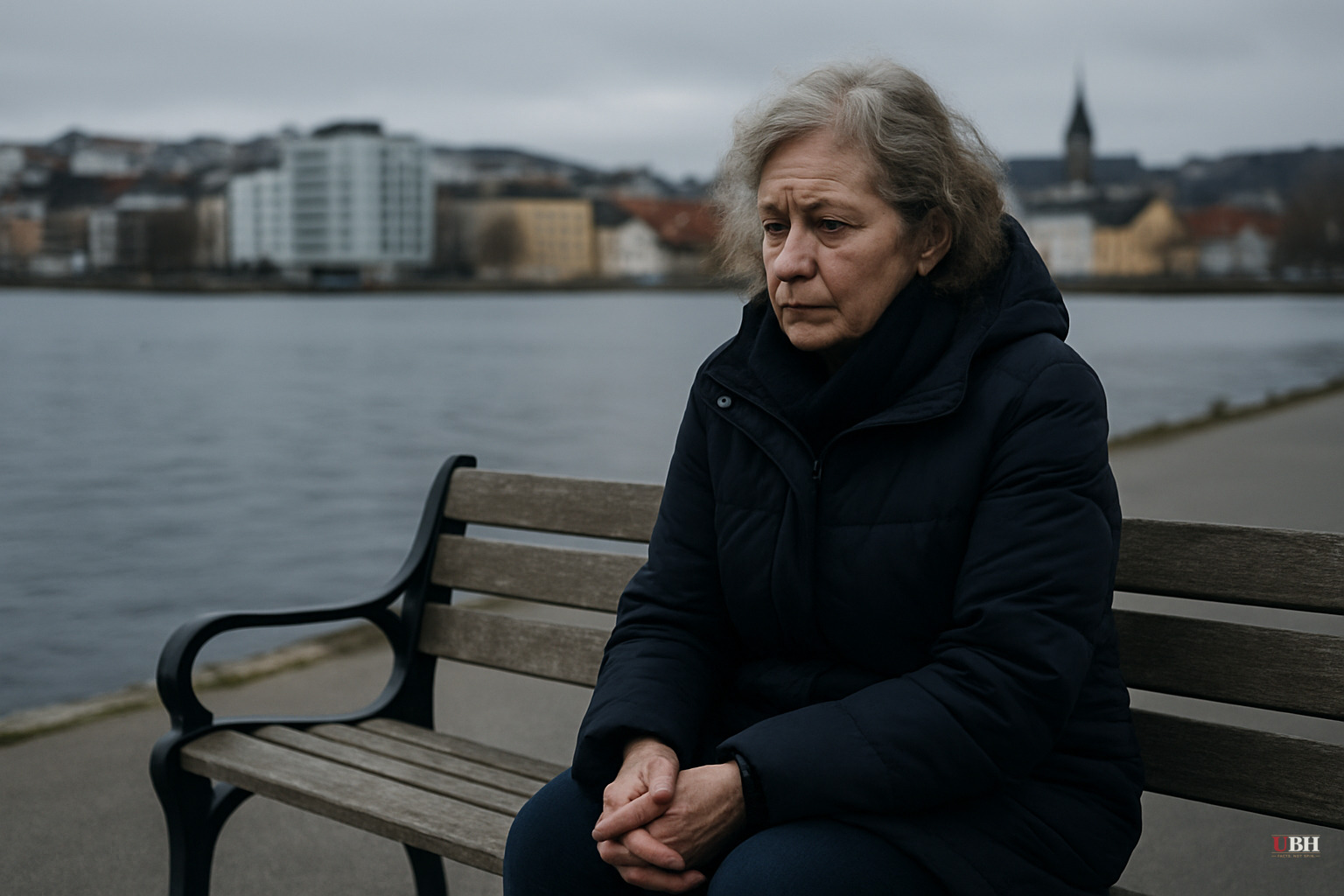
A Norwegian research team studied divorced and widowed populations and found both groups share elevated mortality risk compared to people who remain married, according to Fox News' reporting on the study. The specific mechanism researchers point to: loneliness and its downstream effects on mental and physical health.
This pattern aligns with years of epidemiological work showing that social isolation raises the risk of cardiovascular disease, cognitive decline, and all-cause mortality at rates comparable to smoking roughly 15 cigarettes a day, a comparison published repeatedly in peer-reviewed literature.
The Depression Connection
Separate research archived by the NIH's National Library of Medicine, a 2015 comparative analysis published in Evidence Based Mental Health, examined how loneliness and depression interact in widowed and divorced populations specifically. The study documented that both groups show elevated rates of depression relative to married or never-married individuals, with widows and divorcees experiencing the condition differently in terms of onset and duration.
Depression, in turn, is one of the stronger predictors of early death outside of direct physical disease. It reduces the likelihood of seeking medical care, degrades sleep, raises inflammation markers, and correlates with higher rates of substance use. The Norway study appears to be measuring mortality at least partly as a downstream consequence of untreated mental health deterioration.
What the Sources Don't Fully Answer
Fox News covered the Norway study but the source article as provided does not include the study's authors, publication journal, sample size, or methodology. A study's strength depends entirely on how it was designed, whether it controlled for pre-existing health conditions, income, age, or health behaviors that often change after divorce or a spouse's death. Without that information, the mortality link should be treated as a credible signal, not a settled verdict.
The NIH/PMC source tagged here, the 2015 Evidence Based Mental Health paper, is actually a commentary on a weight-loss trial for people taking antipsychotic medications, not a direct study of divorced or widowed mortality. It is relevant to the loneliness-depression-physical health chain but does NOT directly confirm the Norwegian study's specific mortality claims. Conflating the two would overstate the evidence.
The Strongest Counterargument
A fair skeptic would push back this way: correlation is not causation. People who divorce may already have higher rates of depression, substance abuse, or chronic illness before the divorce, factors that could independently drive higher mortality. The same is plausible for widowhood, where a surviving spouse often shared the same environment, diet, and healthcare habits as the deceased. If those confounding variables aren't properly controlled, the study may be measuring pre-existing health disadvantages rather than the effect of marital status itself.
This is a legitimate methodological concern. It doesn't make the finding wrong, but it means the headline-level claim that divorce and widowhood cause higher death risk requires more scrutiny than a single observational study can provide.
Why It Still Matters
Even with those caveats, the pattern is consistent across enough independent studies that dismissing it entirely doesn't hold up. The American Heart Association has formally recognized social isolation and loneliness as cardiovascular risk factors. The U.S. Surgeon General's office, under then-Surgeon General Vivek Murthy, issued a formal advisory in 2023 calling loneliness an epidemic. This reflects public health infrastructure reacting to converging data.
The practical implication runs against how most Western healthcare systems are built. Doctors have 15-minute appointment windows and prescribe medications. Nobody bills insurance for "help this recently divorced 58-year-old build a social support network." Community organizations, religious institutions, and family structures, the parts of civil society that have historically done this work, have been eroding for decades.
What Comes Next
The unanswered question from the Norway study, given the incomplete source information available, is whether any intervention tested alongside the observation actually changed outcomes. If researchers identified elevated mortality risk, did they also test whether structured social support, therapy, or community programming reduced it? That would be the clinically actionable result. Without it, the study describes a problem without pointing toward a solution, and that gap is exactly where the next round of research needs to go.
Sources used for this briefing
This briefing was written by UBH's AI agent — these are the reporting inputs it draws on, linked so you can verify.


