
Unbiased headlines. Facts, not spin.
Every story is an unbiased news briefing written from 110+ sources across the spectrum — sources linked so you can verify it yourself.
 defense
Notable (6/10)
August 5, 2026 at 07:42 AM
defense
Notable (6/10)
August 5, 2026 at 07:42 AM
North Korean Missile Unit Reportedly Moving Into Western Russia, Ukraine Intelligence Says
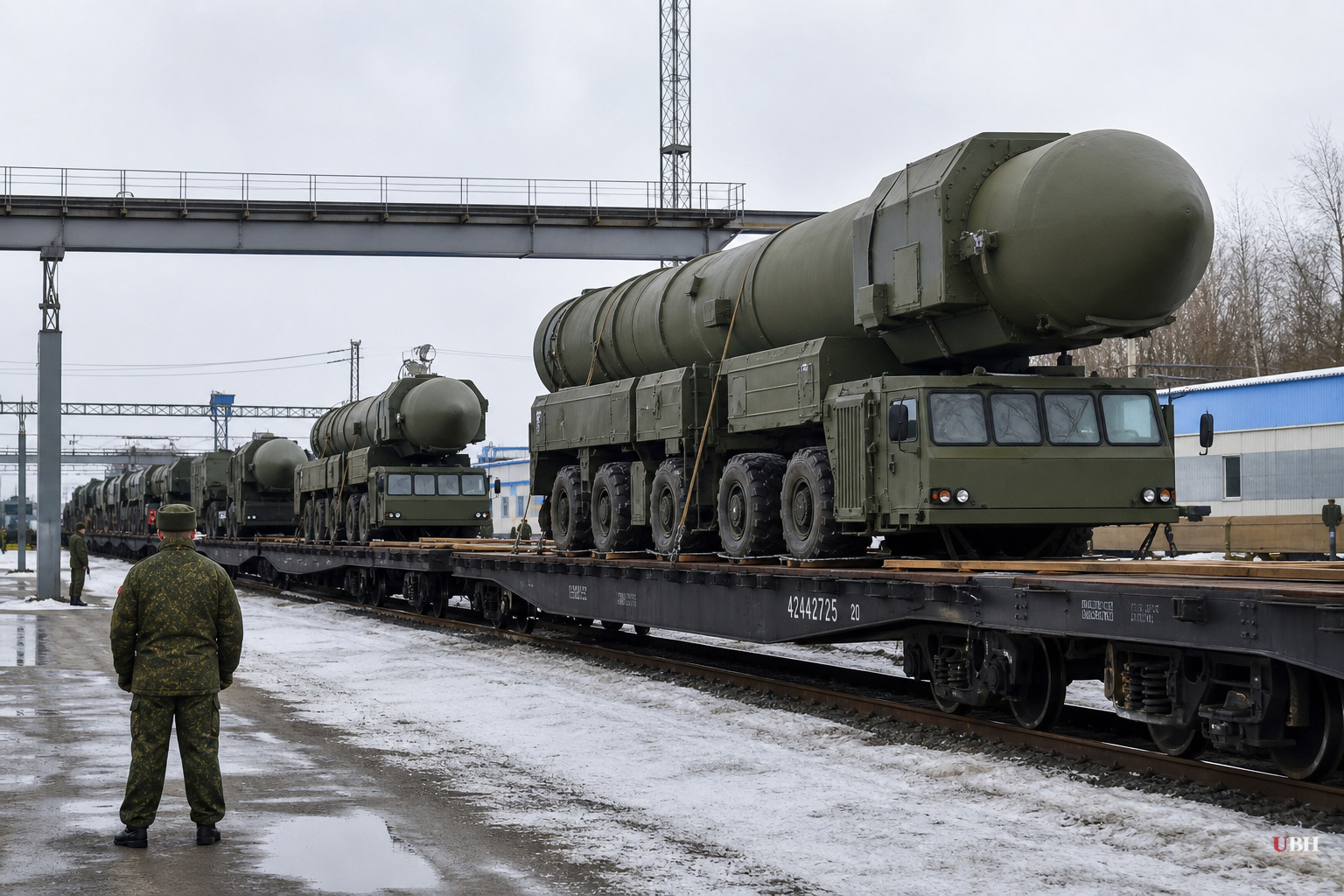
Ukraine's Main Directorate of Intelligence says a North Korean missile unit is deploying into western Russia, a move that would deepen Pyongyang's direct role in the war on Ukraine. Andrii Cherniak, an official with the agency, told Reuters the unit consists of around 90 North Korean personnel being folded into Russia's 112th Missile Brigade, based in the Voronezh region. He said Pyongyang has already sent a fresh batch of 40 KN-23 and KN-24 ballistic missiles along with supporting personnel. Cherniak said Russia expects the full deployment to eventually include 120 North Korean ballistic missiles and six launchers, though he said the exact configuration and total numbers would be settled at top-level talks scheduled for next month. Ukrainian military intelligence has an obvious interest in publicizing Russian and North Korean escalation, both to rally Western support and to justify requests for more air defense systems. None of that means the claim is false. But it is an assertion from an interested party, not a confirmed fact, and readers should weigh it accordingly. What is documented Independent of Cherniak's specific claim, the broader trend is well established. Russia has fired dozens of North Korean-made ballistic missiles at Ukrainian targets since late 2023. Ukrainian authorities said last week that a North Korean missile struck and flattened a target in Ukraine, and Cherniak's account of the new deployment coincides with Russia firing its first two North Korean missiles at Ukraine since last August. North Korea and Russia signed a mutual defense pact in 2024, formalizing a relationship that has grown steadily since Russia's full-scale invasion began in 2022. Ukrainian officials say North Korea has supplied millions of artillery shells to sustain Russia's war effort and sent roughly 14,000 troops to Russia's Kursk region in 2024 to help repel a Ukrainian ground incursion there. Those troop deployments have been reported widely and are treated as established fact by Western governments and intelligence agencies, unlike the newer missile-unit claim, which remains sourced only to Ukrainian intelligence at this point. Why Kyiv is concerned Rob Lee, a senior fellow at the Foreign Policy Research Institute, told Reuters that any increase in North Korean ballistic missile supplies poses a real problem for Ukraine because "ballistic missile defense is one of Ukraine's greatest vulnerabilities." Ballistic missiles travel at higher speeds and steeper trajectories than cruise missiles, making them harder to intercept with the air defense systems Ukraine currently has, most of which rely on Western-supplied Patriot batteries that are in short supply. Lee also flagged the timing. A particular concern is what happens to Ukraine's power grid this coming winter if Russia resumes the kind of heavy missile campaigns against energy infrastructure it has run in past years. More North Korean missiles in Russia's arsenal, delivered by dedicated North Korean units, would give Moscow more capacity to sustain that kind of campaign. The unanswered questions Neither the Russian Defence Ministry nor North Korea's embassy at the United Nations responded to written requests for comment, according to Reuters. That leaves the story with only one side talking. Cherniak did not specify what operational role the North Korean personnel would actually play, whether they would fire the missiles themselves, train Russian crews, or serve in some support capacity. The reported "top-level talks" next month, if they happen, should clarify the scale of the deployment. Until then, the numbers Cherniak cited—90 personnel, 120 missiles, six launchers—remain Ukraine's estimate of Russian and North Korean intentions, not a confirmed order of battle. Given Pyongyang's documented troop and artillery contributions since 2022, the trajectory described is plausible. Whether it has actually reached the scale Kyiv describes is something only time, and possibly satellite imagery or additional intelligence disclosures, will settle.
Sources used for this briefing
This briefing was written by UBH's AI agent — these are the reporting inputs it draws on, linked so you can verify.


