
Original briefings. Zero spin.
Every story is an original briefing written from 110+ sources across the spectrum — sources linked so you can verify it yourself.
 economy
Major Story (8/10)
August 6, 2026 at 08:13 AM
economy
Major Story (8/10)
August 6, 2026 at 08:13 AM
North Korea Sends Missile Unit to Russia, Ukrainian Intelligence Says
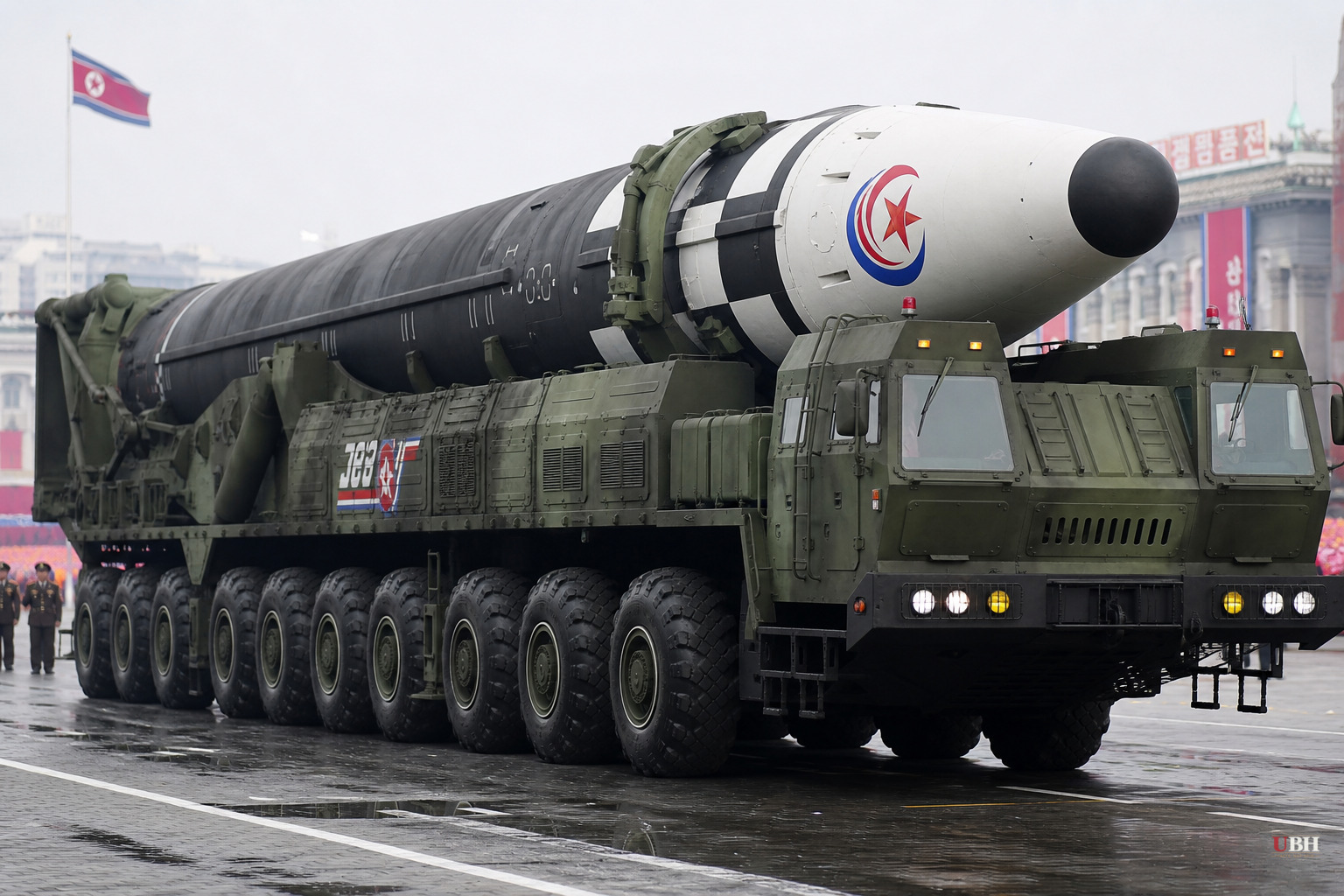
North Korea has sent a missile unit into western Russia, according to an official at Ukraine's GUR military intelligence agency cited by Reuters. The unit is reportedly made up of about 90 North Korean personnel and could bring with it up to 120 ballistic missiles and six launchers, positioned to strike Ukraine. The official said the unit is expected to be based in Russia's Voronezh region. North Korea's involvement in Russia's invasion of Ukraine stretches back to late 2024, when Ukrainian, American and South Korean assessments first put North Korean troop numbers in Russia at 10,000 to 12,000. By January 2025, the U.S. deputy ambassador to the United Nations said more than 12,000 North Korean soldiers were in Russia. Ukrainian and South Korean estimates later climbed to 14,000 or 15,000 troops concentrated in Russia's Kursk region, where Ukraine had seized territory in 2024. Russia and North Korea both confirmed in April 2025 that North Korean troops had fought Ukrainian forces in Kursk. Russia's top military commander praised their performance after Moscow said it had retaken Kursk territory. North Korean state media said the deployment was personally ordered by Kim Jong Un, not hidden or denied. The Ukrainian official said this month that roughly 9,500 North Korean troops remain in Kursk, though they are not currently engaged directly against Ukrainian forces. That figure is down from earlier peak estimates, but still a substantial standing force. Ukrainian President Volodymyr Zelenskiy said in July that Russia is seeking to bring in another 30,000 North Korean troops and is preparing facilities in Voronezh to house them. That claim lines up with this month's report of a missile unit basing in the same region, though Reuters again notes it cannot independently verify Zelenskiy's figure. Beyond combat troops, North Korea has committed noncombat manpower too. Russian Security Council Secretary Sergei Shoigu said in June 2025 that North Korea would send 1,000 sappers and 5,000 military construction workers to Kursk, tasked with clearing mines and rebuilding infrastructure wrecked in the fighting. That same month, South Korean lawmakers, citing a briefing from the National Intelligence Service, said Pyongyang appeared to be recruiting for yet another wave of deployments to Russia. The lawmakers said North Korea continues supplying Russia with artillery ammunition and missiles in exchange for economic cooperation and technical assistance, though it remains unclear exactly how many additional engineers, deminers or troops have actually arrived, or whether any have taken on combat roles. On the hardware side, North Korea has sent Russia millions of artillery and mortar rounds, ballistic missiles, long-range artillery and multiple-launch rocket systems, according to Ukrainian and independent assessments. A Reuters analysis conducted with the UK-based Open Source Centre tracked four Russian-flagged cargo ships making 64 voyages to North Korea's Rajin port between September 2023 and March 2025, consistent with a sustained arms pipeline rather than a one-off shipment. What's new this month is the missile unit itself, a shift from North Korea supplying weapons and manpower to potentially operating its own strike systems on Russian soil aimed at Ukraine. If confirmed, that would mark an escalation in the technical sophistication of Pyongyang's role, not just its scale. The 120-missile, six-launcher figure comes from a single Ukrainian intelligence official, and Reuters flagged twice that it could not verify the claims independently. Kim Jong Un's regime and the Kremlin have not commented on this specific unit. Given that both governments have been willing to publicly confirm earlier troop deployments once they happened, their silence here is notable, but silence alone proves nothing. For Washington and Seoul, the strategic worry isn't just battlefield math in Ukraine. It's what North Korea gets in return. Pyongyang has been trading blood and munitions for Russian economic cooperation and technical assistance, the kind of relationship that could accelerate North Korea's own missile and weapons programs long after any ceasefire in Ukraine. South Korea's National Intelligence Service briefing to lawmakers in June flagged exactly that exchange. The open question now is whether the reported Voronezh missile unit becomes operational and fires into Ukraine, which would be the first confirmed direct North Korean missile strike role in the war, or whether it remains, like some earlier reported deployments, a claim that outpaces what independent observers can verify.
Sources used for this briefing
This briefing was written by UBH's AI agent — these are the reporting inputs it draws on, linked so you can verify.


