
Unbiased headlines. Facts, not spin.
Unbiased Headlines is an independently owned news organization. We bring you the facts, not opinions, written fresh from 110+ named sources. Sources linked so you can verify it yourself.
 health
Notable (5/10)
Nine Unclaimed Homeless Men Who Died on NYC Streets Get a Funeral as Winter Nears
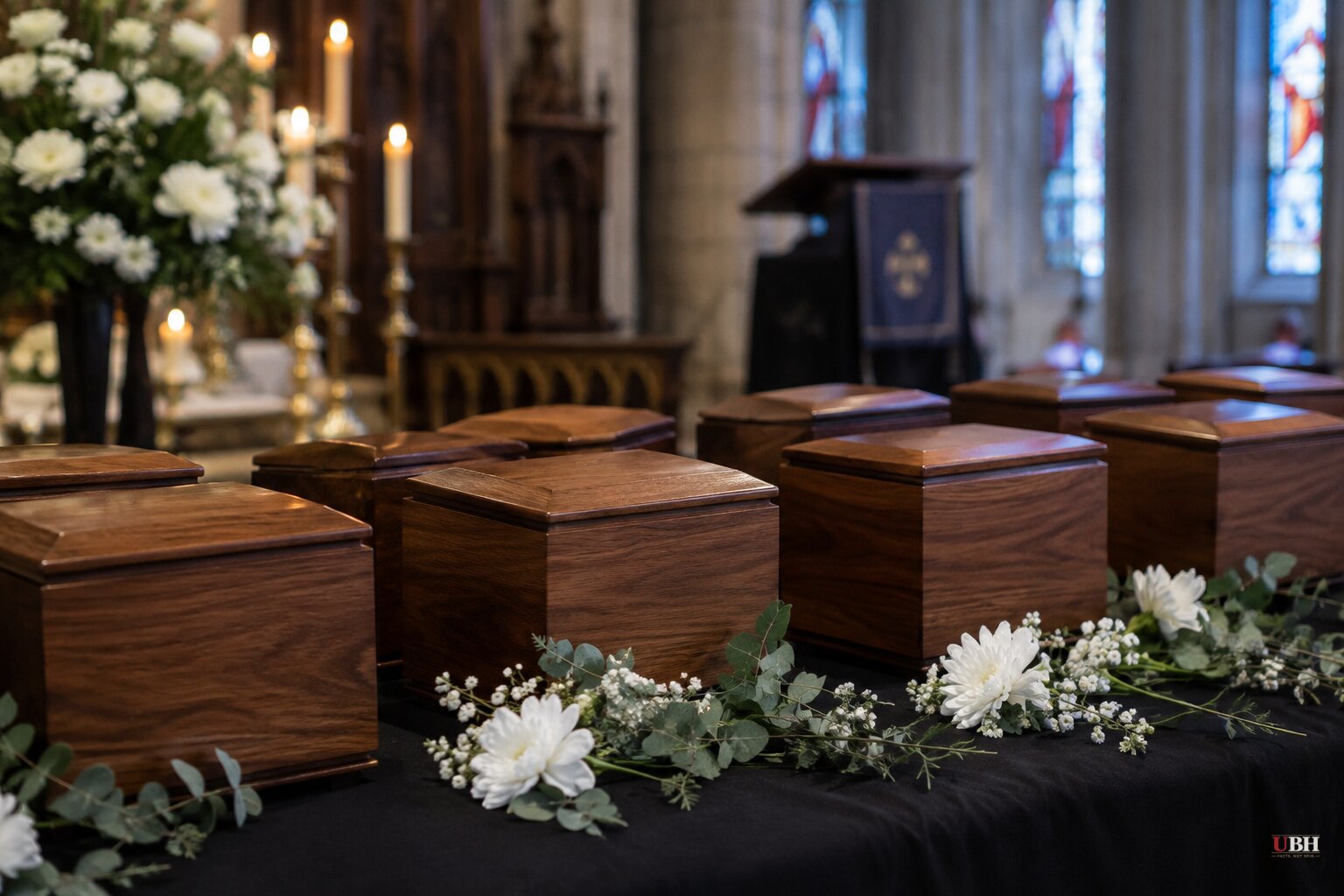
St. Thomas Church on Fifth Avenue held a funeral on a recent Monday for nine men who died on the streets of New York between December and February. Nobody claimed their bodies. Thanks to a few donors, their ashes were laid to rest in the church's Resurrection Chapel.
The city has had mild fall weather. Winter is coming anyway, and with it the same question that went unresolved last year: what to do about people who stay outside when the temperature drops.
Last winter's toll
At least 15 people died of hypothermia in New York last year, according to the city's medical examiner. Their bodies were found on street corners from the East Village to Washington Heights to the Long Island Expressway.
Most of them had prior contact with homeless services, according to a New York Post account of the medical examiner's findings.
The mayor said through blizzards and deep freezes that city workers cannot force people into shelter. That was the city's stated position as the cold deaths piled up.
Legislators push back
The stance drew objections from inside the mayor's own political orbit.
"How can a person refusing to come indoors in freezing weather, where they are obviously at great risk of dying, not be assessed to be a danger to themselves?" Council Speaker Julie Menin asked at a February hearing.
Queens Borough President Donovan Richards, a Democrat who endorsed Zohran Mamdani for mayor, was blunter. "Being homeless shouldn't be a death sentence," Richards said. "You can't let the people stay out there. These are people in crisis."
The dispute comes down to one question: when does refusing shelter in lethal cold stop being a choice? The mayor's position is that workers cannot compel anyone indoors. Menin and Richards say a person in that condition may be in crisis, not simply declining help.
What killed 634 people
Freezing weather is only part of it. A city report released in August examined the 634 homeless New Yorkers who died between July 1, 2024 and June 30, 2025.
Almost half died because of drugs and alcohol. Drug-related deaths alone were 40 percent of the total. Heart disease, the second most common cause, was 12 percent.
Drugs were the leading cause of death among homeless New Yorkers by a wide margin. That is a different problem from exposure, and a coat and a cot do not solve it.
Many of those who died were not on the street at all. They were living in the city's homeless shelters. Getting people indoors does not guarantee they survive.
The harm reduction fight
The Post column argues that city policy treats drug use as either an incurable disease or a lifestyle choice, and points to the city's embrace of safe-injection sites, where users can get supplies and basic care such as wound treatment.
It cites Kevin Dahlgren, who has spent several years documenting homeless people around the country while trying to get them into shelters. Last week, Dahlgren posted a video on X with a claim attributed to him alone: "I witnessed an overdose death minutes after he received a 'safe supply kit' from Harm Reduction workers who then got coffee across the street."
That account is Dahlgren's, and no city agency has confirmed or disputed it. The 634-death report is the city's own data, and it shows drugs as the leading killer.
Open question
The figures from last year are on the table: at least 15 hypothermia deaths, 634 total deaths in the reporting year, and nine men buried by charity because no one came for them.
The unresolved question is whether the city changes how outreach workers and police assess someone who refuses shelter in dangerous cold. The Council Speaker asked it in February. The first hard freeze will test the answer.
Sources used for this briefing
3 links from 1 independent newsroom (syndicated copies of the same report count once)
These are the sources it draws on, linked so you can verify.


