
Unbiased headlines. Facts, not spin.
Every story is an unbiased news briefing written from 110+ sources across the spectrum — sources linked so you can verify it yourself.
 economy
Major Story (7/10)
July 24, 2026 at 12:18 AM
economy
Major Story (7/10)
July 24, 2026 at 12:18 AM
NHTSA Opens Door-Handle Rulemaking After 15 Deaths Tied to Tesla's Flush Handles
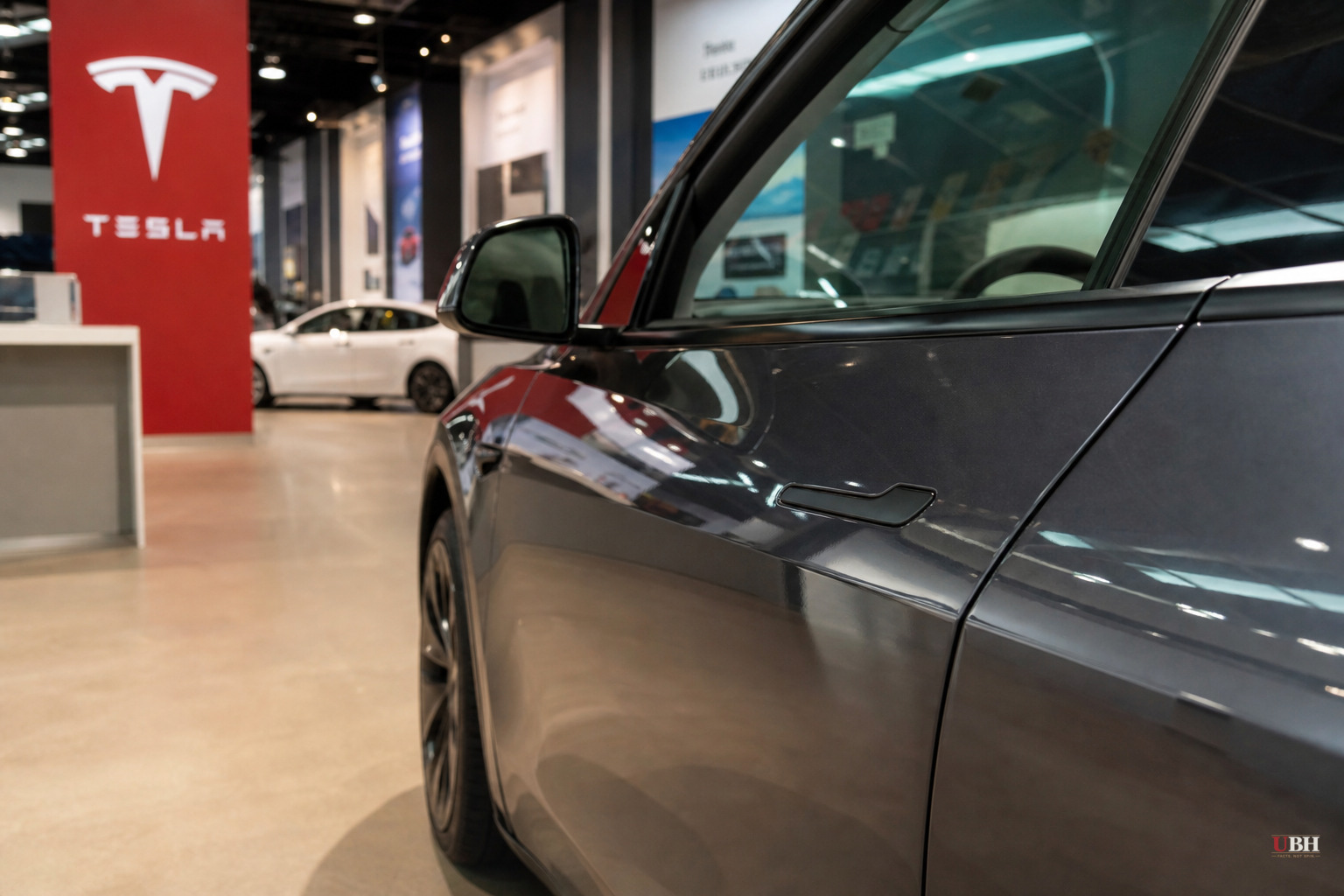
The National Highway Traffic Safety Administration said Thursday, July 23, that it will begin developing a new federal safety standard requiring "a robust and obvious door egress system in all motor vehicles." Those words come from the petition NHTSA just granted, according to a regulatory filing reported by Bloomberg News and confirmed by Transport Topics.
This didn't come out of nowhere. A Silicon Valley engineer filed the petition back in November, arguing electronic door latches create "a critical, life-threatening safety gap." NHTSA sat on it for months. Now it's acting.
What Actually Happened
NHTSA granted the rulemaking petition. It denied a separate, more aggressive request to open a formal defect investigation into the 2022 Tesla Model 3's emergency mechanical release. A defect investigation could have forced a recall on Tesla specifically. Rulemaking instead sets a new standard that applies to every automaker selling cars in America, Tesla included.
NHTSA was blunt about why: an inaccessible or hard-to-find mechanical release "could prevent occupants from escaping after a crash or fire, potentially resulting in serious injury or death."
The agency isn't guessing here. Bloomberg's reporting, which multiple outlets including TechCrunch and Transport Topics cite directly, documented at least 15 deaths across roughly a dozen crashes where occupants or rescuers couldn't get Tesla doors open after the vehicle lost power. Bloomberg also reported last year that Musk pushed for electric door handles even after internal safety concerns were raised. Tesla did not respond to a request for comment, according to Transport Topics.
Why Flush Handles Fail
Tesla's flush handles look sleek and cut wind drag. They run on electronic locks tied to the car's battery voltage. NHTSA's initial review found the manual backup releases may not work if that system doesn't get enough power after a crash, according to TechCrunch. On the Model 3, mechanical releases exist for the front doors but not the rear, per the ZeroHedge report citing NHTSA's own filing. Kids in back seats are especially exposed if the car loses power and nobody outside knows where the hidden release is.
NHTSA opened a formal investigation into Tesla's door handles last year after receiving nine complaint reports, including cases involving children unable to get out. BigGo Finance reports that probe into trapped children in Model Y vehicles is continuing separately from Thursday's rulemaking decision.
The Political Piece
This isn't just an agency acting alone. Rep. Robin Kelly, an Illinois Democrat, introduced the SAFE Exit Act in January, which would require manual door releases with clear labeling and better first-responder access on electric vehicles. NHTSA's rulemaking move runs on a parallel track to that legislation, not in place of it.
Automakers aren't waiting around either. Tesla designer Franz von Holzhausen said last year the company is redesigning its door handles. Rivian said it's moving the manual release on its R2 SUV to a more visible spot next to the electronic handle. That's a tacit admission the current designs are a problem, even before any federal mandate exists.
The Market Reaction, and a Reality Check
BigGo Finance reported Tesla shares fell more than 14% intraday Thursday, attributing the drop to this news combined with broader market sentiment. That's a stock price move, not a verdict on shareholder losses, and BigGo's own phrasing hedges that the decline reflects the news "and overall market sentiment" together, not this filing in isolation. Nobody has established how much of that swing traces to the door-handle rulemaking specifically versus other factors moving Tesla that day.
What's Actually Unresolved
NHTSA explicitly stated that starting a rulemaking process does not guarantee a final rule gets adopted. "A decision as to the issuance of a rule will be made on the basis of all available information developed in the course of the rulemaking proceeding," the agency said in its filing. Industry observers cited by BigGo Finance expect any final compliance deadline could stretch out to 2030.
Families who lost someone in a Tesla fire want an immediate fix. Federal rulemaking is slow by design, built on public comment periods, cost-benefit analysis, and industry pushback, precisely so regulators don't overcorrect based on a handful of dramatic incidents out of, as NHTSA noted regarding one earlier single-complaint review, 179,031 vehicles on the road. Whether that caution is appropriate diligence or a bureaucratic excuse to slow-walk an obvious fix is the real fight ahead, and it will play out over years, not weeks, unless Congress moves faster on Kelly's bill than NHTSA moves on its own standard.
Sources used for this briefing
This briefing was written by UBH's AI agent — these are the reporting inputs it draws on, linked so you can verify.


