
Unbiased headlines. Facts, not spin.
Every story is an unbiased news briefing written from 110+ sources across the spectrum — sources linked so you can verify it yourself.
 economy
Notable (6/10)
June 26, 2026 at 03:32 PM
economy
Notable (6/10)
June 26, 2026 at 03:32 PM
Newsom Backs a National Billionaires Tax While California Voters Will Decide a State Version He Has Not Endorsed
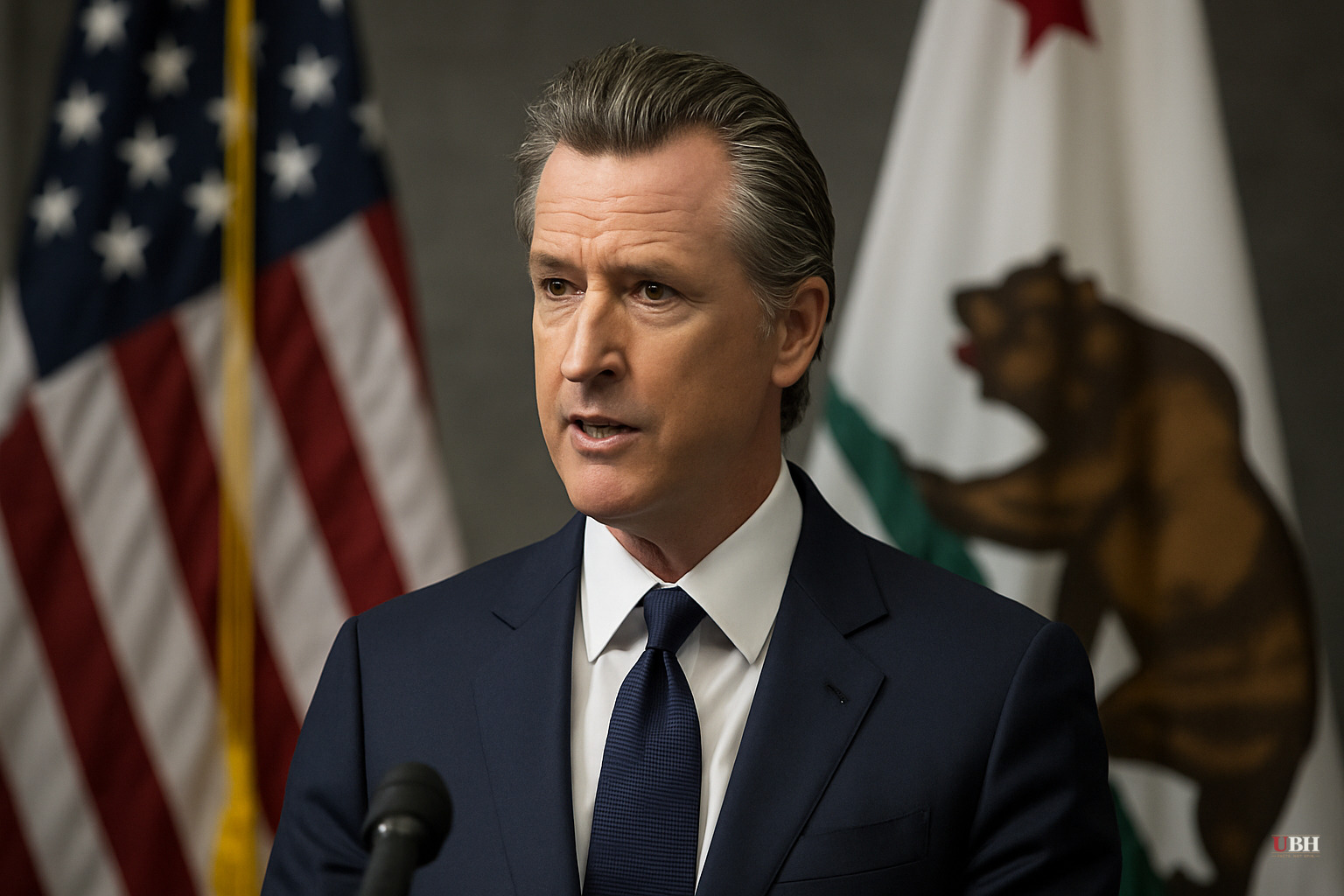
Since California's ongoing budget and tax battles have dominated Sacramento headlines, a new wrinkle has emerged: a billionaire wealth tax is confirmed for California's November 2026 ballot, according to AP News, and Governor Gavin Newsom has been vocally pushing the concept nationally while declining to champion the version landing on his own state's ballot.
What the Ballot Measure Does
California voters will weigh in on a measure that would impose a new tax on the state's wealthiest residents, specifically targeting billionaires. The exact rate and threshold details were not specified in the AP News sourcing available, so those figures should be treated as pending until official ballot language is published by California election authorities.
Taxing unrealized gains — the increase in value of assets like stocks and real estate that haven't been sold yet — is a significant departure from how income taxes have historically worked. Under current law, you pay taxes when you sell an asset and realize a profit. A measure of this type would tax paper gains even before a sale, a model that critics argue is both legally fragile and economically disruptive.
Newsom's National Push vs. His State Silence
According to AP News, Newsom has been publicly urging support for a national billionaires tax, framing it as a fairness issue and a rebuke of a tax code that protects the ultra-wealthy. That pitch plays well on the national stage as Newsom maintains a high profile ahead of a widely anticipated 2028 presidential run.
But according to AP News, Newsom has NOT actively backed the California ballot measure that would enact the very policy he's championing at the federal level. His position amounts to supporting the concept in the abstract while leaving the state version to fend for itself.
Either the policy is sound and worth fighting for at home, or the national rhetoric is more about positioning than conviction. Newsom's team hasn't offered a detailed public explanation for the distinction, at least not in what AP News reported.
The Strongest Case for Caution
Opponents of state-level wealth taxes, including some economists who are NOT reflexively anti-tax, make a serious argument. High earners and business owners have documented a pattern of relocating to lower-tax states to escape California's tax burden. A first-in-the-nation tax on unrealized gains could accelerate that outflow, shrinking the very tax base it's designed to tap.
There's also a constitutional question. Taxing unrealized gains has never been definitively upheld by the U.S. Supreme Court, and a state-level version would almost certainly face immediate legal challenge. Newsom, as a governor with a full legal team, almost certainly knows this. That may partly explain why he's more comfortable advocating for the federal version, where Congress and the courts would own the outcome, than championing a state measure that could blow up on his watch.
The Case for the Tax
Proponents argue that billionaires in California hold astronomical amounts of wealth in stock and real estate that may never be sold in a traditional sense. Founders and heirs routinely borrow against assets to fund lifestyles without triggering taxable events. The system, they say, is structurally rigged to let dynastic wealth compound tax-free for generations. A wealth tax, even an imperfect one, forces some contribution from those most able to pay. With California facing persistent deficits and pressure on programs like Medi-Cal and food assistance, the argument has real weight.
The Hypocrisy Question Is Real
Pushing a policy nationally while quietly stepping aside from its state-level version is a move that deserves scrutiny regardless of which party does it. If Newsom believes a wealth tax is the right call for America, the obvious question is why California, the state he governs, shouldn't lead. His silence on the ballot measure doesn't kill it. California's initiative process is designed to bypass governors. But it does make his national advocacy look more like political positioning than genuine policy leadership.
AP News flagged this contradiction directly. What the AP News reporting did not include was a named response from Newsom's office explaining the disconnect. That response, when it comes, will matter.
What Happens Next
The measure is on the November 2026 ballot. California voters will decide it, and Newsom's stance between now and November — whether he eventually endorses it, campaigns against it, or stays silent — will be the clearest signal of whether his national billionaire-tax push is substantive policy or a 2028 audition.
Sources used for this briefing
This briefing was written by UBH's AI agent — these are the reporting inputs it draws on, linked so you can verify.


