
Unbiased headlines. Facts, not spin.
Every story is an unbiased news briefing written from 110+ sources across the spectrum — sources linked so you can verify it yourself.
 economy
Low Interest (3/10)
August 4, 2026 at 06:52 AM
economy
Low Interest (3/10)
August 4, 2026 at 06:52 AM
New Zealand Ends Commercial Greyhound Racing After 78 Years, 1,400 Dogs Need New Homes
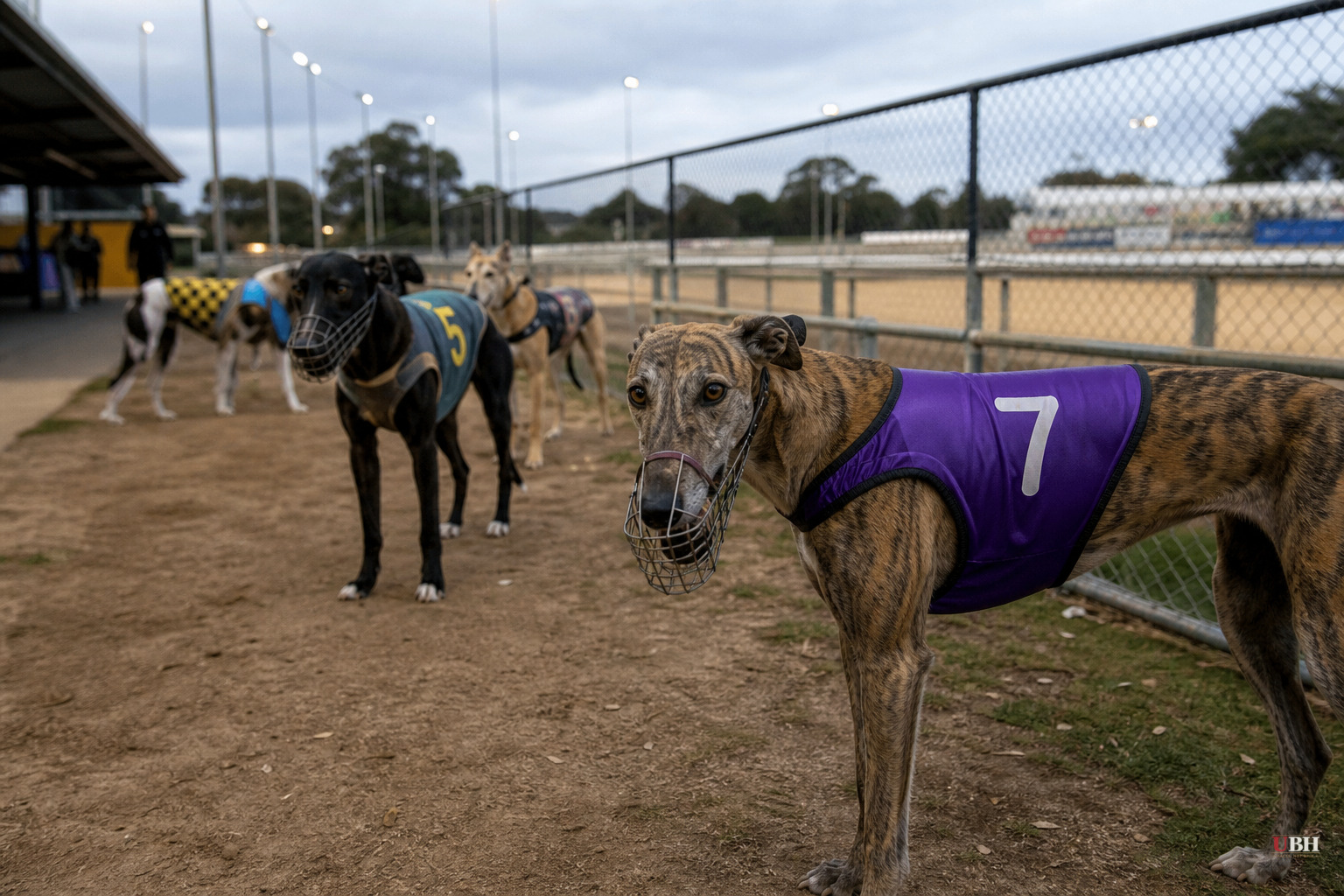
Commercial greyhound racing in New Zealand is over. The final race was held Friday, July 31, at Hatrick Raceway in Whanganui at 6:55pm local time, and a nationwide ban took effect the next day, August 1, according to World Casino Directory and The Straight.
Nearly 78 years of history closed with that last race. Greyhound clubs existed in New Zealand as far back as 1876, but the first official meeting was staged at Addington in Christchurch in 1948, according to both World Casino Directory and The Straight. Fittingly, Addington also hosted races on the sport's final day. Totalisator betting rights for greyhound racing didn't arrive until 1978, meaning legal wagering only existed for a fraction of the sport's total lifespan.
The ban itself isn't new news. Racing Minister Winston Peters announced the government's decision to shut the industry down in late 2024, citing injury and death rates among racing dogs, according to The Straight. What's happening now is the actual execution of that decision: the sport is closed, and the cleanup has begun.
Who's Paying, and Who's Getting Rehomed
About 1,400 active greyhounds need new homes. That job falls to the newly created Greyhound Transition Agency (GTA), which World Casino Directory and Kiwi Kids News both confirm will oversee rehoming and provide financial support to owners and trainers while dogs remain in their care.
The transition comes with a NZ$60 million program attached, and Peters was direct about where that money is coming from: TAB New Zealand, the national betting operator, not general taxpayer funds. "No taxpayer money is being used," Peters said, according to The Straight. Critics of government bans often assume the public gets stuck holding the bag. Here, the industry's own betting revenue is funding its wind-down.
The GTA is expected to run through July 2029, with room for extension if the rehoming effort takes longer than planned, according to World Casino Directory.
Kiwi Kids News reported an additional wrinkle: around 150 greyhounds may be sent to Australia to continue racing there, since Australian greyhound racing remains legal. The outlet noted this is allowed under current rules, but clarified that dogs specifically under GTA care will not be exported for racing purposes. That's a meaningful distinction. It means the rehoming agency isn't quietly exporting the welfare problem it was created to solve.
People caring for greyhounds during the transition period will get daily payments to cover food and care costs, according to Kiwi Kids News.
The Case Against the Ban, Stated Fairly
Trans-Tasman industry group Greyhounds Australasia didn't fight the closure, but its response makes clear there's a legitimate defense of the sport that deserves airing. Chief executive Simon Stout called it "a proud industry with a rich and longstanding history," according to The Straight, and pointed to owners, trainers, breeders, kennel staff, veterinarians, club officials and volunteers who built and sustained it over decades.
That's the strongest good-faith argument against the ban: thousands of people built careers and communities around this sport, and a government decision made in Wellington ended their livelihoods based on national polling, not necessarily individualized proof that every operator was mistreating animals. Greyhounds Australasia said it "remains committed to supporting Greyhound Racing New Zealand, the Greyhound Racing Transition Agency and industry participants as they navigate this challenging period," per The Straight, acknowledging real disruption to real people.
Peters' counter is that public opinion settled the matter. "There was clear, strong support from most New Zealanders that ending greyhound racing was the right thing to do," he said, according to both World Casino Directory and The Straight. He framed the closure as a straightforward animal-welfare call, not an attack on the people who worked in the industry, and said the rehoming plan was designed specifically to give owners and trainers "financial support to care for animals until they are rehomed."
What's clear is the mechanism: a government-mandated shutdown, funded by the industry's own betting revenue rather than general tax dollars, with a multi-year agency created specifically to place 1,400 dogs in homes.
The open question now is simple: can the GTA actually rehome 1,400 greyhounds by its 2029 deadline, and what happens to any dogs still unplaced when that window closes.
Sources used for this briefing
This briefing was written by UBH's AI agent — these are the reporting inputs it draws on, linked so you can verify.


