
Unbiased headlines. Facts, not spin.
Every story is an unbiased news briefing written from 110+ sources across the spectrum — sources linked so you can verify it yourself.
 economy
Notable (6/10)
July 21, 2026 at 03:41 PM
economy
Notable (6/10)
July 21, 2026 at 03:41 PM
New York's Rent Guidelines Board Freezes Rents as Zombie Apartments Pile Up
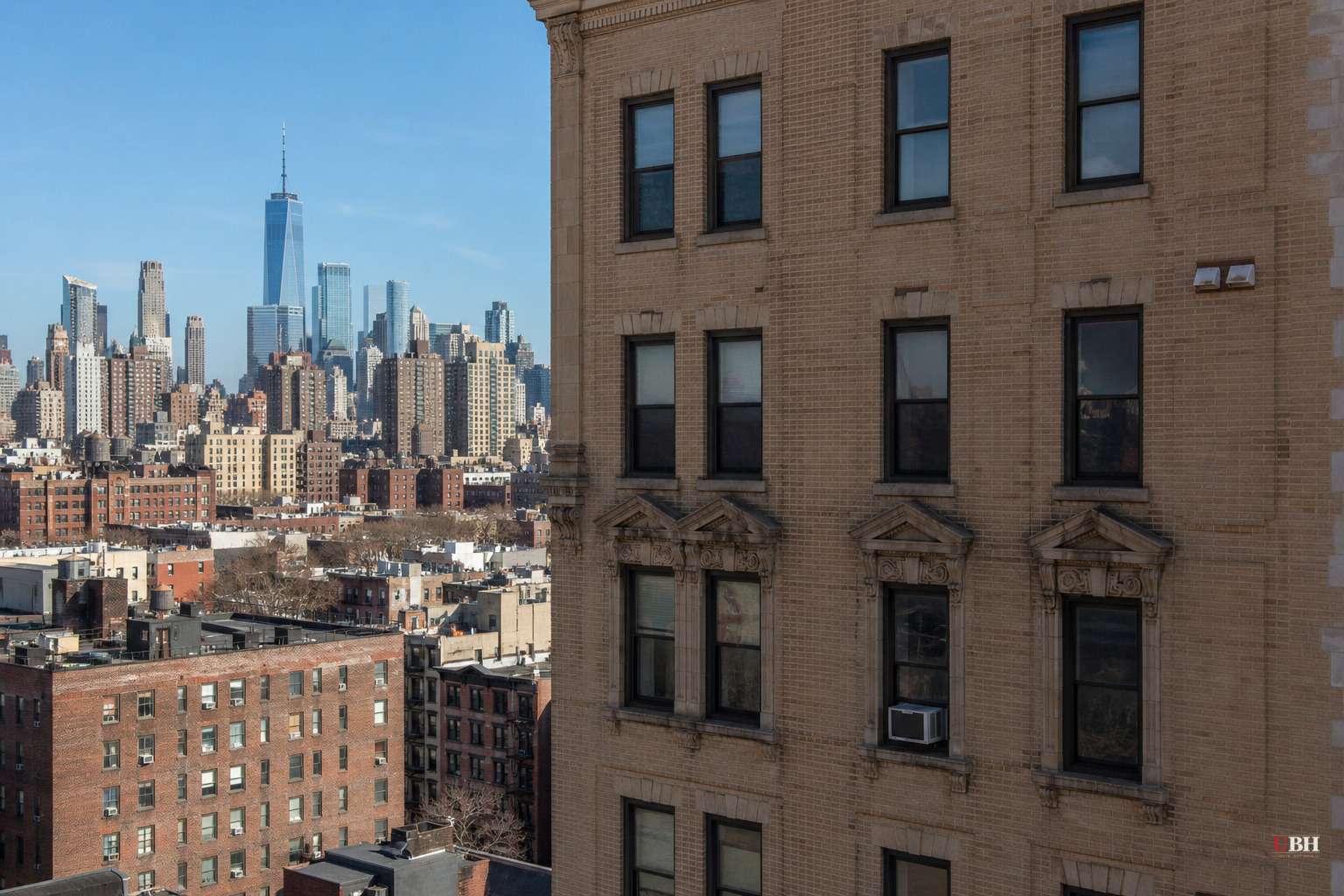
New York City's Rent Guidelines Board voted to freeze rents on rent-stabilized apartments at zero percent this year, according to Reason. The move fulfills a central campaign promise from Mayor Zohran Mamdani, who ran on freezing rents for the roughly one million rent-stabilized units across the five boroughs.
The decision landed against a backdrop small landlords have been trying to draw attention to for months. In mid-June, a group of small property owners staged a protest outside a Rent Guidelines Board hearing with actors dressed as zombies, according to Reason. Their message: rising property taxes, insurance premiums, utility costs, unpaid rent, and backlogged housing court cases are pushing buildings toward insolvency.
The zombie imagery points to a specific and measurable problem. New York City has roughly 57,000 vacant rent-stabilized apartments, according to Reason. Landlords say these units cost more to repair and bring up to code than they could ever legally recover through rent under the stabilization system. Rather than lose money renovating and re-renting them at capped rates, many owners simply leave the units empty. That is the "zombie apartment" the industry term describes: technically part of the city's housing stock, functionally dead.
What the board's own numbers show
Supporters of the rent freeze argue landlords are still turning a profit and that warnings of financial collapse are overblown. But the Rent Guidelines Board's own data complicate that argument. About 9 percent of buildings with regulated units already have operating expenses that exceed their gross income, according to Reason, citing the board's figures. That number does not include debt service, meaning mortgage payments are not even factored in. Add loan payments on top of operating losses, and the share of buildings underwater is almost certainly higher.
Rent-freeze critics point to this as their strongest case. It is not simply anecdote or landlord complaint, but the board's own analysis showing a meaningful slice of the regulated housing stock is losing money before a single mortgage payment gets made. A zero-percent increase locks that math in place for another year, even as insurance premiums, property taxes, and utility costs keep climbing.
The fair response from rent-freeze supporters is that most regulated buildings are not in that 9 percent, and that landlords have said buildings are unprofitable for decades while continuing to operate them. It is also true that rent stabilization exists specifically to protect tenants from market-rate increases in a city where housing costs have outpaced wages for years. Freezing rents does not, by itself, prove landlords are lying about their books, and profitability varies enormously by building, borough, and mortgage terms taken out years or decades ago.
But neither side's argument resolves the vacancy numbers. If 57,000 units are sitting empty because repair costs exceed what regulated rents can ever recoup, that is lost housing supply in a city with a well-documented shortage, regardless of whether the remaining occupied units are profitable.
The freeze, in context
Mamdani's win on this front is real and politically significant. He campaigned explicitly on freezing rents for stabilized tenants, and the board delivered exactly that. For roughly a million rent-stabilized households, this means no increase in their base rent for the coming year, a direct and immediate benefit amid a city where market-rate rents have continued climbing.
What the freeze does not do is touch any of the underlying cost pressures landlords cite: property tax bills set by the city, insurance premiums set by private carriers reacting to claims and risk, utility rates, or the pace of housing court, which determines how quickly landlords can resolve nonpayment cases. None of those levers move because the Rent Guidelines Board voted zero percent.
Rent stabilization was built to keep housing affordable by capping what landlords can charge. It was not built to guarantee landlords can cover their costs. When the two diverge sharply enough, the historical pattern in New York is that units get abandoned, deteriorate, or sit vacant rather than get fixed and re-rented.
The unresolved question is how the city responds to that 9 percent figure over time. If more buildings tip into operating losses as costs rise and rents stay flat, the Rent Guidelines Board will face the same fight again next cycle, this time with a larger and more visible bloc of buildings that landlords say cannot break even. Whether the city adjusts property tax treatment for stabilized buildings, streamlines housing court, or leaves the zero-percent freeze in place regardless has not been decided, and the board has not announced any companion measures to address landlord costs alongside the rent freeze.
Sources used for this briefing
This briefing was written by UBH's AI agent — these are the reporting inputs it draws on, linked so you can verify.


