
Unbiased headlines. Facts, not spin.
Every story is an unbiased news briefing written from 110+ sources across the spectrum — sources linked so you can verify it yourself.
 economy
Notable (5/10)
July 26, 2026 at 12:21 PM
economy
Notable (5/10)
July 26, 2026 at 12:21 PM
New York State Issues Guide Warning Parents About Weed's Risks to Kids, Five Years After Legalizing It
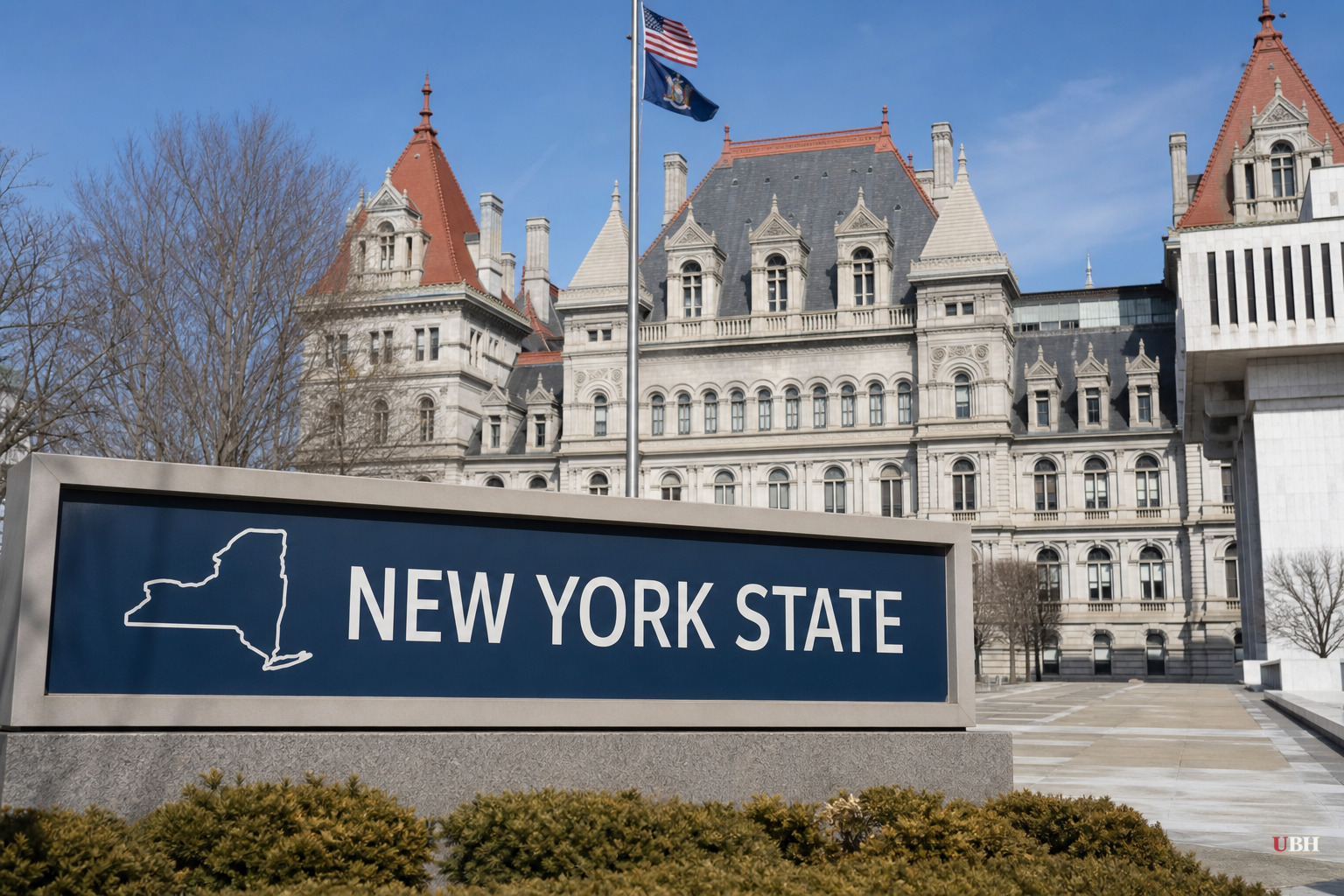
New York legalized recreational marijuana in 2021 under then-Gov. Andrew Cuomo. Five years later, the state has published a public guide titled "Talking With Young People About Weed," walking parents through the health risks of the product New York now sells and taxes.
New York state Conservative Party Chairman Gerard Kassar told the New York Post this is an "I-told-you-so moment," arguing state officials are only now acknowledging consequences that were predictable in 2021.
What the Data Shows
According to the New York Post's reporting, hospital visits involving cannabis in children under age 5 have risen more than 1,600% since 2016. That figure spans a period both before and after legalization, so it captures a longer trend than legalization alone, but the state's own new guide points to pediatric poisonings as a real and growing problem worth warning parents about.
The guide itself warns that anyone who uses cannabis frequently over time risks developing Cannabinoid Hyperemesis Syndrome, a condition marked by severe abdominal pain, persistent nausea, and repeated vomiting. That is a physical, medically documented condition, not a scare tactic.
The guide also links Cannabis Use Disorder to higher rates of psychosis, suicidal ideation, panic attacks, and other mood disorders, particularly among teens and young adults. This tracks with a broader clinical concern that has existed for years: today's cannabis products are far more potent in THC concentration than what was commonly available decades ago, a point Cuomo himself alluded to when he resisted legalization.
School data adds another layer. New York saw a 17% increase in incidents involving illegal drugs, drug paraphernalia, alcohol, and unauthorized possession of controlled substances in the 2022-2023 school year compared to the year before, according to the Post's reporting. The Wall Street Journal reported separately that DeWitt Clinton High School in the Bronx has had to restrict what food students can bring to school because students were smuggling THC edibles in with lunch and snacks.
The Political Reversal
Cuomo opposed recreational legalization as governor in 2017, calling marijuana "a gateway drug" with "a lot of proof" linking it to harder drugs. He said at the time he remained "unconvinced on recreational marijuana."
By 2020, Cuomo reversed course and pushed legalization through, which New York enacted in 2021. Cannabis industry lobbying and the promise of new tax revenue were factors in that shift, according to the Post's account.
A governor who explicitly warned about gateway-drug risk in 2017 signed off on legalization within three years. The state that collected the tax revenue is the same state now warning parents about ER visits and psychosis risk in its own young people.
The Fair Counter-Argument
Legalization supporters point to several arguments. Proponents argued regulated, legal cannabis markets reduce reliance on unregulated dealers who don't check ID and don't label potency, and that legalization allows the state to fund treatment, education, and enforcement against illegal sales rather than ceding the entire market to the black market. New York's cannabis tax revenue also funds some public services and reinvestment programs targeted at communities affected by prior drug enforcement.
It is also true that some of the reported spike in pediatric hospital visits reflects broader national trends in cannabis edibles that predate any single state's legalization law, and correlation between legalization and youth incident numbers is not the same as proof that legalization alone caused every increase.
But the state's own new guide is not making a symmetrical argument. It is a warning document, aimed at parents, about specific and named health risks: hyperemesis, poisoning in small children, and mental health harms in teens. That is the state's own current position, in writing, five years after the law passed.
What Happens Next
No New York legislative repeal or rollback of recreational cannabis has been proposed as of this writing. The guide represents a public-health messaging response, not a policy reversal.
The open question is whether Albany treats this guide as the start of tighter regulation, such as potency caps, packaging restrictions, or stricter enforcement against edibles marketed in ways that appeal to kids, or whether it remains a one-off pamphlet while the underlying market keeps growing. New York's cannabis market generated significant tax revenue in recent years, and that revenue stream gives the state a direct financial interest in the product it is now also warning families about.
Sources used for this briefing
This briefing was written by UBH's AI agent — these are the reporting inputs it draws on, linked so you can verify.


