
Original briefings. Zero spin.
Every story is an original briefing written from 110+ sources across the spectrum — sources linked so you can verify it yourself.
 politics
Major Story (7/10)
September 14, 2026 at 04:40 PM
politics
Major Story (7/10)
September 14, 2026 at 04:40 PM
New York Leads 22-State Lawsuit to Block Trump's Expanded 'Public Charge' Green Card Rule
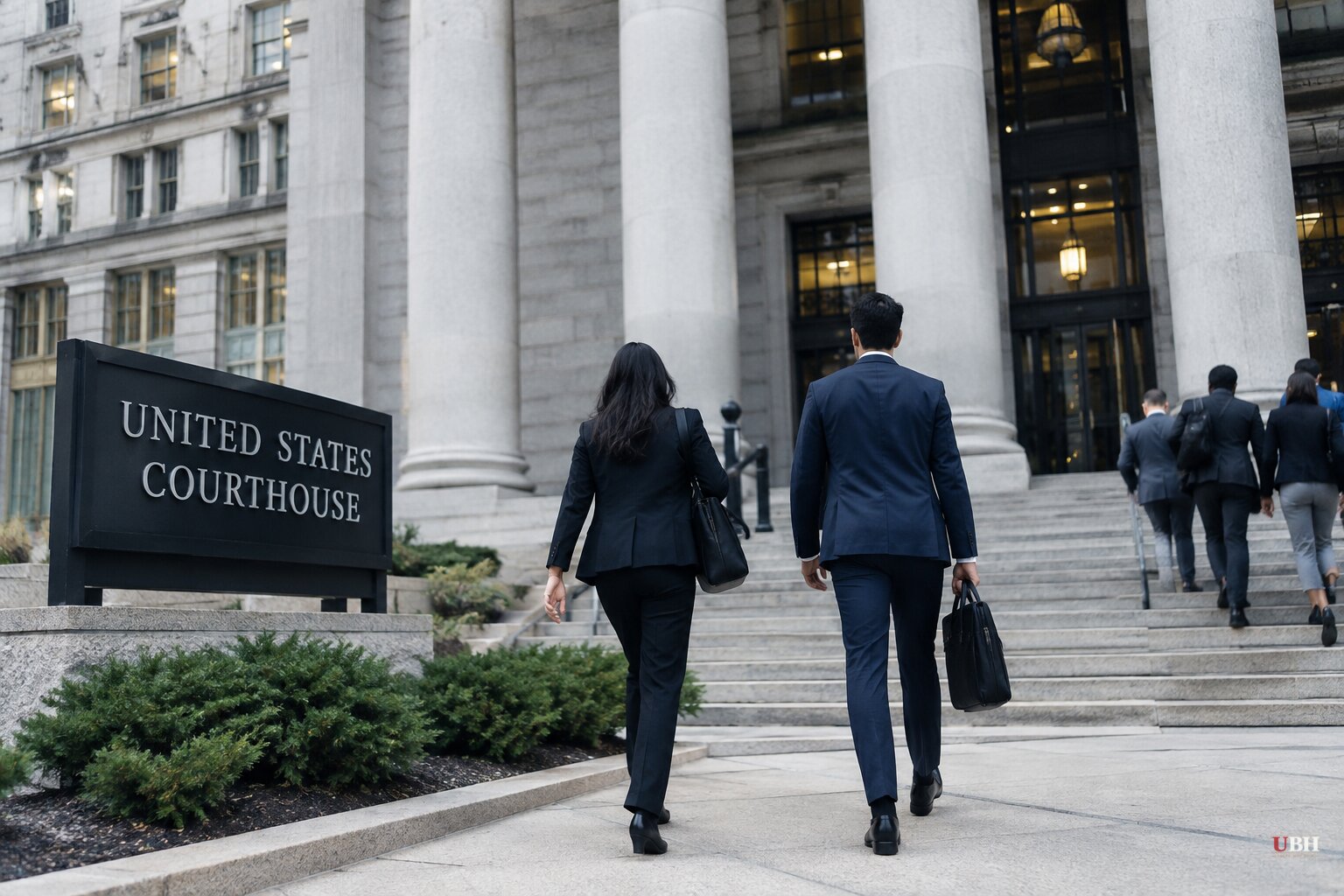
New York Attorney General Letitia James and a coalition of 21 other states and the District of Columbia sued the Trump administration Monday in the U.S. District Court for the Southern District of New York, seeking to block a Department of Homeland Security rule set to take effect Friday, September 18.
A separate lawsuit was filed the same day by a coalition of cities led by New York City Mayor Zohran Mamdani, joined by Chicago, San Francisco, Seattle, Santa Clara County and King County, according to Fox News and the Attorney General's office.
What the rule actually does
The "public charge" provision has been part of U.S. immigration law since the Immigration Act of 1882, letting the government deny a visa or green card to someone deemed likely to become dependent on government assistance, according to CNN.
A 2022 rule limited that determination to cash benefits like Temporary Assistance for Needy Families and Supplemental Security Income, plus long-term institutionalization at government expense. The new DHS rule scrapped that limit and does not specify which benefits count, meaning immigration officers could weigh non-cash programs like Medicaid, SNAP food stamps, housing vouchers and the Children's Health Insurance Program, per CNN and the Attorney General's press release.
The rule targets people applying for green cards or certain visas who already have legal status. Mamdani noted at Monday's press conference that citizens and people seeking asylum or other humanitarian relief are not affected. It can also apply to a noncitizen parent of a U.S. citizen child if that child receives public benefits, according to Newsday.
The dollar figures and the disenrollment estimate
Plaintiff states in the lawsuit estimate the rule would cost $4.05 billion a year in lost federal payments nationwide, with states themselves losing roughly $2.2 billion, according to figures cited by Ground News from the court filing.
On the human impact, the numbers vary by source. Mamdani said at the press conference that up to 4 million people could be forced to unenroll from health coverage out of fear their immigration status could be jeopardized, according to Fox News. Mother Jones cited a KFF report estimating between 1.4 million and 4.1 million Medicaid and CHIP enrollees in mixed-status households could disenroll. Both figures are estimates of behavior, not counts of people who have actually left these programs, and neither source has published verified enrollment data showing the drop has occurred.
The legal arguments
James' lawsuit argues DHS exceeded its statutory authority because Congress never approved this broader reading of "public charge" and that the rule is "arbitrary and capricious" under the Administrative Procedure Act because DHS allegedly failed to justify it or account for the harm, according to the Attorney General's office. The lawsuit does not seek monetary damages, only an order blocking, invalidating and preventing enforcement of the rule, per CNN.
James pointed to history: "My office fought this exact policy once before and won," she said, referring to a nearly identical version of the rule during Trump's first term that courts blocked in 2019 and 2020, a point confirmed by Newsday and Ground News.
The administration's stated rationale
The Trump administration has said the rule furthers the intent of federal law that "aliens in the United States be self-sufficient and not dependent on taxpayer-funded government benefits," according to language cited by Newsday from the administration's own announcement earlier this year. That is a long-standing principle in U.S. immigration law, not a new invention. Supporters of stricter public charge enforcement argue it is reasonable to ask green card applicants to demonstrate they can support themselves rather than lean on programs funded by American taxpayers, and that this policy affects only prospective applicants for permanent status, not people already granted asylum or citizenship.
The White House did not immediately respond to a request for comment from Fox News Digital as of Monday.
The unresolved legal question
The rule is not blocked yet. Both lawsuits are asking the same Manhattan federal court, the Southern District of New York, to issue an injunction before Friday's effective date. Courts halted the first-term version of this policy on similar administrative-law grounds in 2019, but that outcome is not guaranteed to repeat. Whether a judge in SDNY grants emergency relief before September 18 or lets the rule take effect while litigation proceeds will determine whether green card applicants face the new benefits scrutiny starting this week or whether the fight plays out entirely in court first.
Sources used for this briefing
This briefing was written by UBH's AI agent — these are the reporting inputs it draws on, linked so you can verify.


