
Original briefings. Zero spin.
Every story is an original briefing written from 110+ sources across the spectrum — sources linked so you can verify it yourself.
 politics
Major Story (7/10)
September 14, 2026 at 05:29 PM
politics
Major Story (7/10)
September 14, 2026 at 05:29 PM
France and Slovakia Block Full EU Renewal of Russia Sanctions, Demand Oligarchs Be Delisted
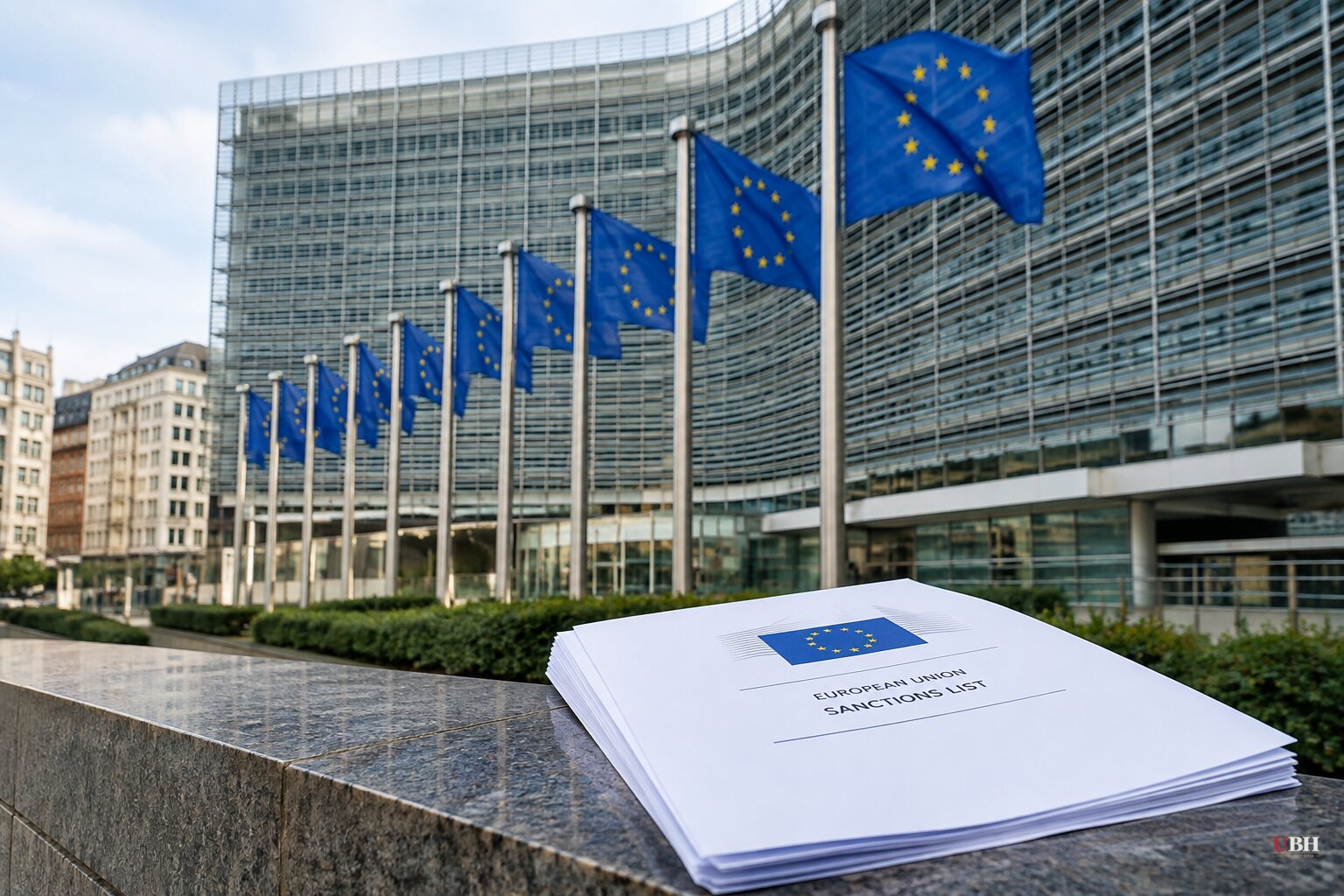
The European Union's sanctions list on Russia almost lapsed this week because France and Slovakia wouldn't agree to renew it without exceptions.
The sanctions regime, which freezes the assets of roughly 3,000 individuals and entities tied to Russia's invasion of Ukraine, requires unanimous approval from all 27 member states every six months. It was set to expire at midnight on Tuesday, September 15. Slovakia and France refused to give their sign-off, so EU ambassadors meeting in Brussels on Monday, September 14, agreed to a bare one-week technical extension, pushing the deadline to September 22, according to the Irish Presidency of the Council of the EU as reported by ua.news.
What Slovakia and France actually want
Slovakia has been pushing to remove two Russian oligarchs, Alisher Usmanov and Mikhail Fridman, from the sanctions list. Bratislava tried the same thing before the last renewal in March 2026 and lost, according to ua.news. Slovakia also wants the renewal cycle to stay at six months instead of the EU's proposed 12-month term, per RBC Ukraine.
France has now backed a narrower version of that demand, supporting Usmanov's removal but not Fridman's, according to RBC Ukraine, which cited Politico. Coreper, the EU's committee of ambassadors, failed to reach consensus on September 9 and again on September 11 before Friday added another wrinkle: France formally joined the Usmanov push, per ua.news.
Usmanov, 73, an Uzbek-born Russian billionaire, has been on the EU sanctions list since 2022 over his ties to Vladimir Putin, according to Crypto Briefing. His European assets, including luxury real estate, were frozen after Russia's full-scale invasion. He's also sanctioned by the United States and the United Kingdom.
France's explanation is thin
A French diplomat told European Pravda that Paris has "a specific national security concern" and wants to "respond positively to our international partners who have approached us regarding Mr Usmanov," while insisting France remains committed to pressuring Russia's war machine. That's the entire public explanation. France has declined further comment.
Traders Union, citing an original Financial Times report, said the push is tied to an effort to secure the release of French citizens held in Azerbaijan, and that the arrangement still needs approval from all 27 member states. Crypto Briefing and EU Observer both flagged similar speculation about lobbying from Azerbaijan or Turkey, though neither could confirm details. France has not confirmed this account.
If true, negotiating for the release of detained citizens is a legitimate government priority, and no French official has denied that a detainee situation exists. But France hasn't said which citizens, which country's cooperation it's actually buying, or why an oligarch delisting is the price. That secrecy is exactly what's driving the backlash.
Other EU states are not buying it
Diplomats described France's move as causing "huge frustration," according to Euronews reporting cited by Meduza. One senior diplomat called it "astonishing," per Traders Union. Officials in other capitals complain privately that Paris won't explain its reasoning, the same report said.
Most member states oppose delisting either oligarch, according to RBC Ukraine, arguing that lifting restrictions now, amid what those diplomats call Russia's record missile strikes on Ukrainian civilian targets, sends the wrong signal. Luxembourg said it would support the renewal but wants Fridman removed too if Usmanov gets dropped, according to Traders Union. Italy and Croatia have reportedly signaled openness to a compromise that delists Usmanov while keeping the rest of the package intact, per Crypto Briefing.
Some EU diplomats warn that tying sanctions relief to a prisoner arrangement sets a dangerous precedent for the bloc's Russia policy going forward, Traders Union reported.
Zelensky weighs in
Ukrainian President Volodymyr Zelensky condemned the delisting talk on September 12, calling it "immoral and self-destructive," according to Crypto Briefing.
The timing is notable. Days earlier, Russian oligarch Roman Abramovich lost his third legal challenge to EU sanctions in an EU court, according to Meduza, after seeking to have restrictions lifted and demanding compensation for non-material damage. The courts are rejecting sanctioned Russians' appeals through legal channels while a member state now tries to achieve the same outcome for a different oligarch through backroom diplomacy.
Whether France's Azerbaijan theory holds up, and whether the EU reaches unanimous agreement before the September 22 deadline, remains unresolved. If member states can't agree by then, the bloc faces the same scramble it just went through, this time with no more room to kick the can.
Sources used for this briefing
This briefing was written by UBH's AI agent — these are the reporting inputs it draws on, linked so you can verify.


