
Original briefings. Zero spin.
Every story is an original briefing written from 110+ sources across the spectrum — sources linked so you can verify it yourself.
 politics
Major Story (8/10)
Event date: August 15, 2026
politics
Major Story (8/10)
Event date: August 15, 2026
Trump-Appointed Judge Joins Obama Appointee in Blocking Trump's Mail Ballot Rule
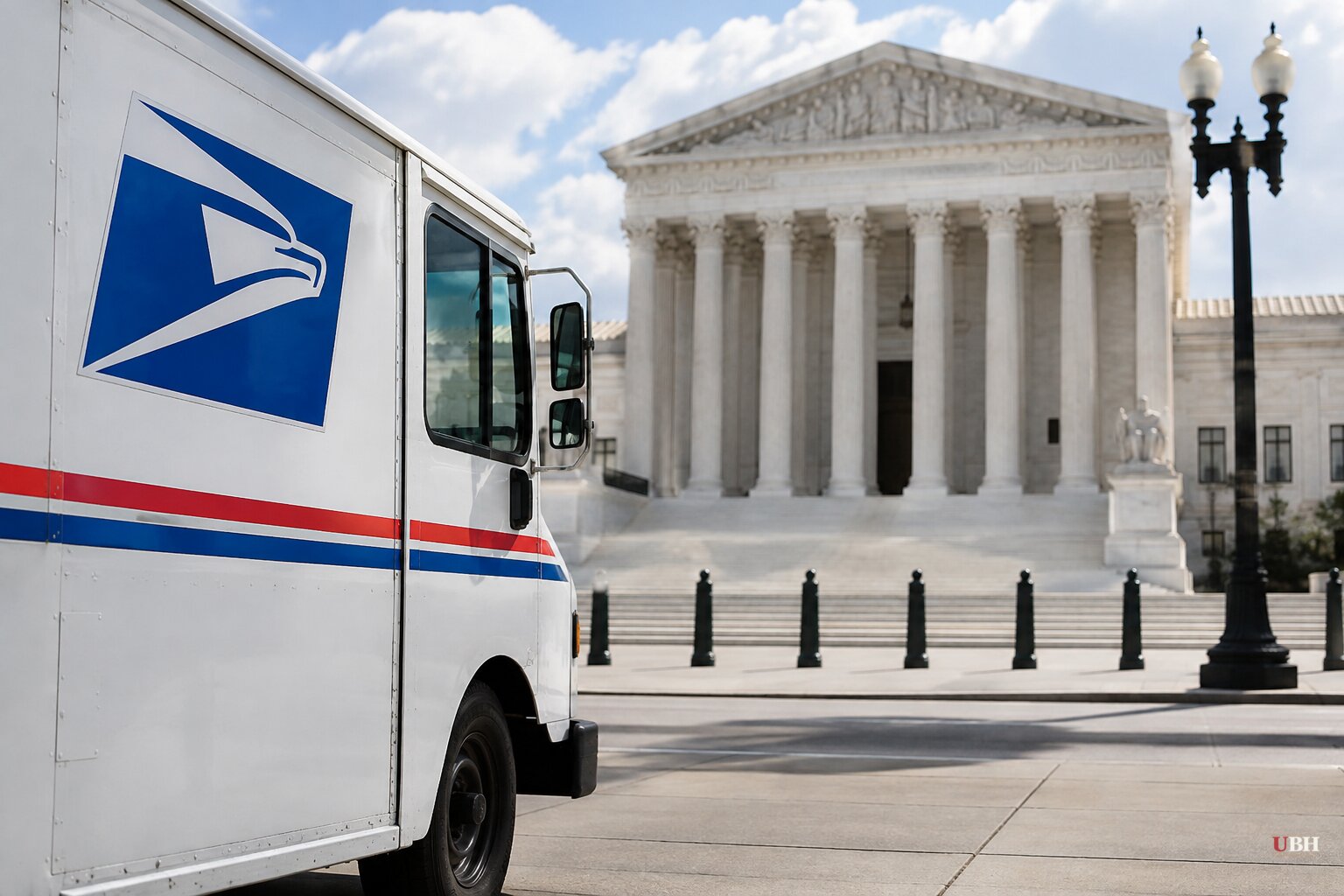
Since the Supreme Court lifted Judge Indira Talwani's freeze on Trump's mail-ballot rule late last month, on the grounds the lawsuit was filed too early, the fight has boomeranged right back to court. Late Sunday, September 13, U.S. District Judge Carl J. Nichols in Washington, D.C. issued a new preliminary injunction blocking the same rule, according to the Associated Press.
Nichols was appointed by Trump. He's not some Obama-era holdover ruling against the administration on ideological grounds. His own May ruling, refusing to block the rule as premature, is the exact reasoning the Supreme Court used to lift Talwani's earlier injunction. Once the Postal Service actually implemented the rule on August 21, both Boston and D.C. plaintiffs refiled, and this time Nichols sided with them.
What the rule actually does
The USPS regulation requires ballot envelope designs to get pre-approved by the Postal Service and requires states to upload the identities of mail-ballot recipients into an online portal, according to the Associated Press. There's a real problem with that portal: it's still inactive, per AP's reporting, meaning states can't even comply with a requirement that's supposedly already in effect.
The rule stems from a March executive order Trump signed aiming to tighten mail voting. The Daily Beast notes the Constitution gives states, not the executive branch, authority to run elections, with Congress holding oversight, not the president.
Why Nichols killed it
Nichols didn't rule on constitutional grounds. He ruled that Congress never gave USPS the legal authority to do this in the first place. "As the government concedes, the Postal Service could issue (and enforce) the Rule only if Congress gave it the authority to do so, but here no statute grants the Postal Service the power to issue key parts of the Rule," Nichols wrote, according to the Daily Beast.
He also rejected the administration's claim that the harm to voters was merely speculative. "The record demonstrates that the Rule will make voting by mail more difficult and, for some voters, effectively foreclose that option altogether," Nichols wrote.
Critically, Nichols found the government provided no evidence the rule was needed to fight "significant fraud" in this year's midterms, per the Daily Beast. If the administration wants to argue election security justifies overriding normal USPS procedure, it needs to show its work in court, not just assert it.
The fraud argument, stated fairly
Trump has long argued that mail voting is more vulnerable to fraud than in-person voting and that requiring standardized, pre-approved ballot envelopes plus a verified recipient database would tighten up a system that's genuinely harder to audit than in-person voting with photo ID. Requiring verification before sending a ballot to someone is the same basic logic behind requiring ID to vote in person, cash a check, or board a plane.
But the courts aren't ruling on whether that goal is wise. They're ruling that Congress never authorized USPS, specifically, to implement it this way, and that the administration didn't present evidence of the fraud it says it's trying to stop. Court records and independent audits have repeatedly found mail-voting fraud is rare, though rare isn't the same as zero, and critics of mail balloting have long argued the system's audit trail is weaker than in-person voting regardless of fraud rates.
Where this leaves voters
Mail ballots are already going out in Alabama, North Carolina and Wisconsin, with more states distributing this week, according to AP. A whistleblower report to Congress warned millions of voters could be disenfranchised if the rule took effect this close to the midterms. The postal workers' union has separately objected, saying verifying voter eligibility isn't a mail carrier's job.
The Supreme Court is still weighing the administration's appeal of Talwani's original order out of Boston. Two lower courts have now frozen the same rule using different reasoning, one focused on statutory authority, and the justices have not indicated when they'll rule on the pending appeal. Until they do, election officials in states already mailing ballots are operating under a rule that's legally frozen twice over but never formally struck down for good.
Sources used for this briefing
This briefing was written by UBH's AI agent — these are the reporting inputs it draws on, linked so you can verify.


