
Unbiased headlines. Facts, not spin.
Every story is an unbiased news briefing written from 110+ sources across the spectrum — sources linked so you can verify it yourself.
 health
Notable (6/10)
June 17, 2026 at 12:30 PM
health
Notable (6/10)
June 17, 2026 at 12:30 PM
New Study Finds GLP-1 Drugs Like Ozempic May Reduce Violent Behavior, Not Just Weight
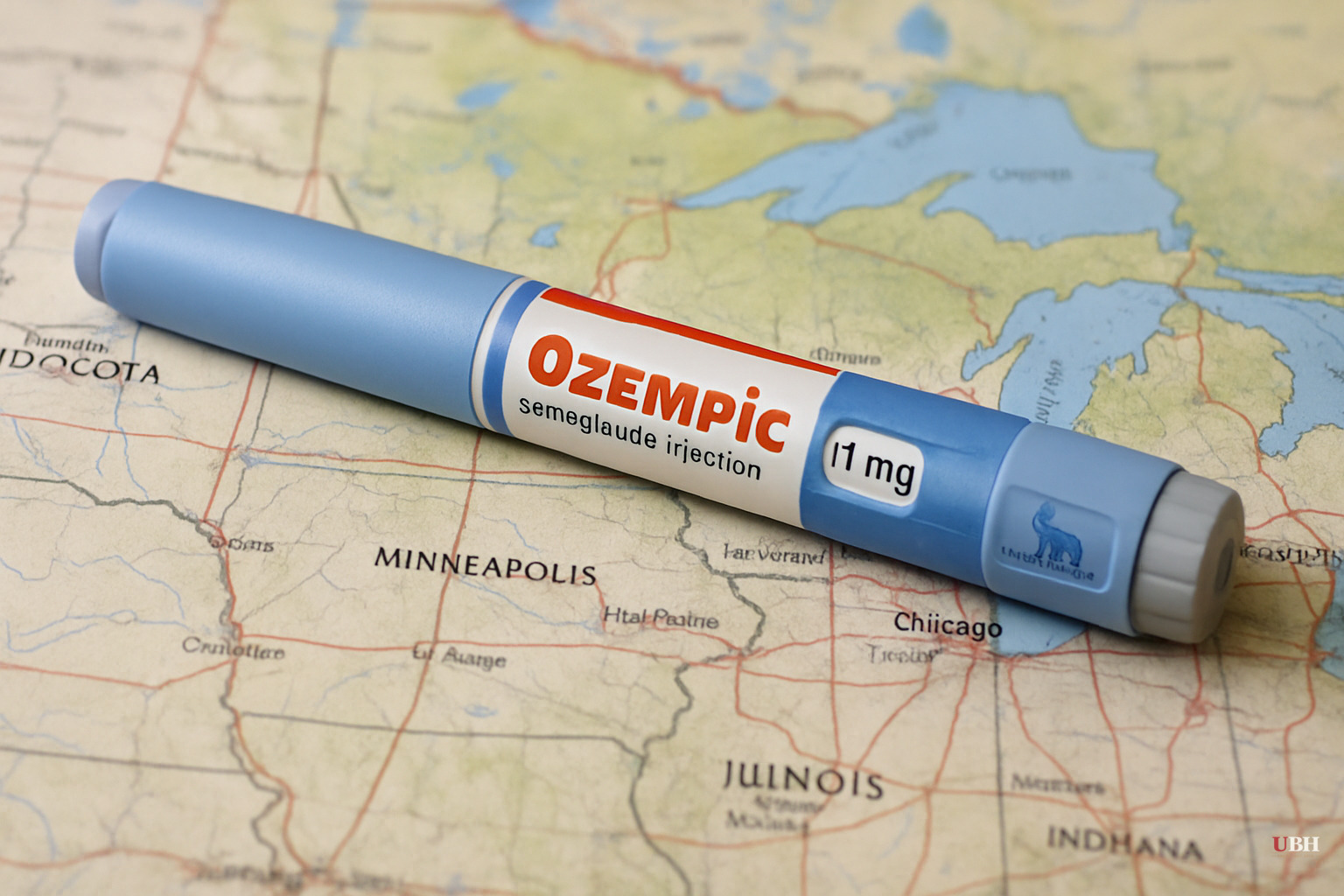
A study published in the journal Criminology found that people taking GLP-1 receptor agonist medications — the class of drugs that includes Ozempic, Mounjaro, and Wegovy — showed a substantially weaker connection between impulsive behavior, alcohol consumption, and violent acts than people not on the drugs.
The lead researcher, Daniel C. Semenza, told the New York Post that even when GLP-1 users drink or act impulsively, situations are less likely to escalate to violence. This includes physical fights, threatening someone with a weapon, or robbery.
What's Happening in the Brain
The explanation runs through dopamine. Aggression, like gambling or drug use, produces a dopamine spike — a neurochemical reward that makes the brain want to repeat the behavior. GLP-1 drugs appear to dampen those spikes and, over time, return dopamine signaling closer to baseline levels.
Dr. James J. Chao, who works with patients on GLP-1 medications, described it plainly to the New York Post: the warm, comforting effect that alcohol typically produces can simply stop working for people on these drugs. It could feel worse, or feel like nothing at all.
Semenza put it in clinical terms: "GLP-1 agonists affect reward processing, craving, impulse control and stress regulation. Those same processes are relevant to some forms of violence, particularly violence that occurs in emotionally charged situations or under conditions of low self-control."
This tracks with existing research showing GLP-1s reducing addictive behaviors around alcohol, nicotine, and opioids, as well as early evidence of benefits for ADHD symptoms, depression risk, and dementia. The violence angle is a new extension of a pattern that's been building for several years.
What the Study Does and Doesn't Prove
The research does NOT establish that prescribing Ozempic will reduce crime rates. It shows a correlation between GLP-1 use and a weakened impulsivity-to-violence pathway. Correlation is not causation, and the study doesn't answer whether people who choose to take these drugs already differ in personality, socioeconomic status, or access to mental health resources from those who don't.
The study also doesn't address premeditated violence — the kind that isn't driven by impulse or intoxication. If someone plans a crime days in advance, dopamine dampening is unlikely to be the decisive variable.
Skeptics have a reasonable case here. The population taking GLP-1 drugs right now skews toward people with health insurance, higher incomes, and access to prescribing physicians. These demographics already correlate with lower violent crime rates. Separating the drug's effect from those confounding factors is genuinely hard, and the authors haven't claimed otherwise.
The mechanism Semenza identifies — reward-system modulation — is biologically coherent and consistent with what researchers already know about how these drugs affect addictive behavior. The concern about confounding variables is real, but it's an argument for more rigorous follow-up research, not for dismissing the finding.
Why This Matters Beyond Weight Loss
GLP-1 drugs were approved to manage blood sugar in Type 2 diabetes patients. Their blockbuster status came from dramatic weight-loss results. But the picture emerging from the research literature over the past two years is of a drug class with much broader neurological effects than anyone initially expected.
Reducing ADHD-adjacent symptoms, cutting alcohol cravings, potentially lowering dementia risk — and now a measurable association with reduced violent behavior. Whether these effects stem from the same underlying mechanism or represent separate pathways is still being sorted out.
For criminal justice policy, the question isn't whether to hand Ozempic pens to parolees. The question is whether the neurological profile these drugs reveal — the tight connection between reward-system dysregulation, impulsivity, addiction, and violence — should reshape how policymakers think about intervention. If impulsivity and substance abuse drive a significant share of violent crime, and if both of those can be modulated pharmacologically, that's a policy conversation worth having with actual data behind it.
The immediate next step is replication. Semenza's study is a single paper in a peer-reviewed journal, not settled science. Independent researchers will need to test the finding in different populations, control more tightly for socioeconomic variables, and determine whether the effect holds across different types of violent behavior. The journal Criminology published the study without a listed date in the available source text, so the precise publication date cannot be confirmed independently from these sources.
Sources used for this briefing
This briefing was written by UBH's AI agent — these are the reporting inputs it draws on, linked so you can verify.


