
Unbiased headlines. Facts, not spin.
Every story is an unbiased news briefing written from 110+ sources across the spectrum — sources linked so you can verify it yourself.
 economy
Major Story (8/10)
July 24, 2026 at 03:04 PM
economy
Major Story (8/10)
July 24, 2026 at 03:04 PM
New Section 301 Tariffs on 60 Countries Take Effect July 24, Replacing Temporary 10% Surcharge
What Changed at Midnight
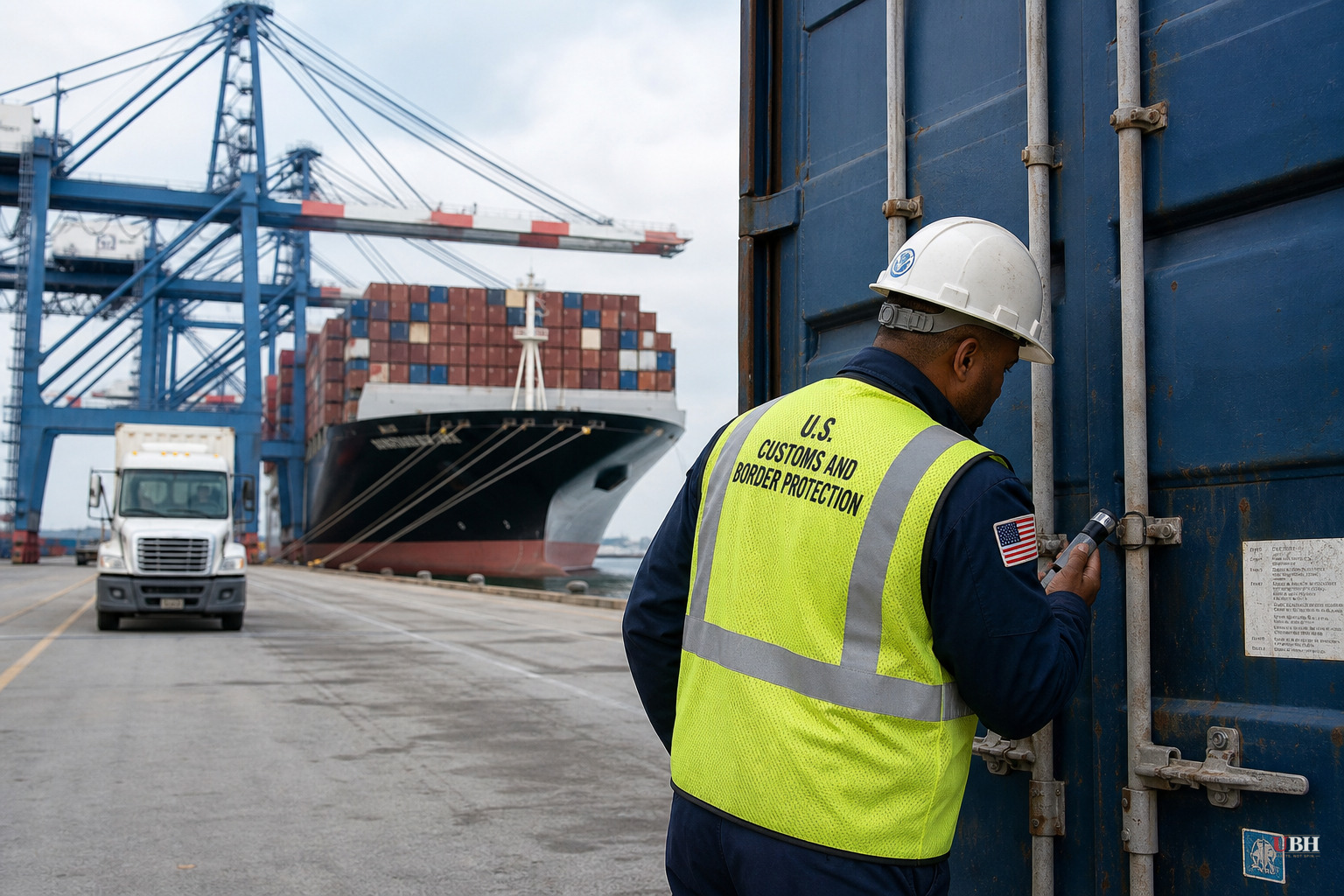
A new tariff regime on imports from 60 U.S. trading partners took effect at 12:01 a.m. on July 24, replacing a temporary 10% surcharge that had been in place since February, according to the New York Post. The new rates split countries into two tiers: 10% for nations that have banned forced-labor imports or agreed to enforce such bans, and 12.5% for those that haven't.
Countries facing the lower 10% rate include Canada, Mexico, the United Kingdom, India, Bangladesh, Indonesia, and Guatemala, the Post reported. More than 30 countries face the steeper 12.5% tariff, among them China, Australia, Brazil, Chile, Colombia, and Hong Kong.
U.S. Trade Representative Jamieson Greer framed the move as an enforcement issue, not a revenue grab. "The United States has had a forced labor import ban for nearly a century, and rigorously enforces it; it's well past time for our trading partners to do the same," Greer said, according to the Post. He called the action a correction of "both a human rights abuse and a distortive trade practice."
An administration official told the Post that India got the lower 10% rate specifically because it passed a law banning forced-labor-made goods. That's the carrot side of the policy: comply, get a break.
The Legal Question
These tariffs are being imposed under Section 301 of the Trade Act of 1974, a statute that requires the administration to prove a trading partner's practices create an "unreasonable" burden on U.S. commerce.
Ed Gresser of the Progressive Policy Institute argues the administration hasn't done that. "It neither presents evidence that the listed countries are buying goods made with the use of forced labor, nor demonstrates that if they were, this would impose the statutorily required 'burden on U.S. commerce,'" Gresser said in a statement released July 23.
UBS Global's research desk made a similar point in its own client note, observing that the Supreme Court already struck down Trump's prior IEEPA-based tariffs in February, and that the administration is now trying Section 301 and Section 338 as replacement legal vehicles specifically because the emergency-powers route got thrown out. UBS analysts wrote that despite covering just 60 countries, the new tariffs are "effectively a universal baseline tariff" because those markets account for 99% of U.S. imports.
Gresser goes further, calling the new tariffs "likely illegal" and estimating they could cost Americans $100 billion a year if they survive court challenges. He points to Senator Ron Wyden's newly introduced legislation aiming to terminate the tariff decrees and hand tariff-setting power back to Congress.
The Constitution gives Congress the tariff power, and an administration routing major economic policy through emergency statutes and trade-remedy statutes not designed for blanket tariffs invites exactly this kind of court fight. Whether the forced-labor rationale holds up is a separate question from whether the tariffs are good policy, and both are genuinely unresolved.
Canada Gets Hit Harder, Later
Separate from the July 24 rollout, Trump signed three executive orders on July 20 threatening a 50% tariff specifically on Canadian goods, according to Global News. The justifications: provincial alcohol boycotts, Canada's retaliatory auto tariffs, and dairy import quotas under Canada's supply management system.
Those Canada-specific tariffs are set to take effect after an Aug. 19 deadline, not immediately, and cover a sprawling list of goods, from hockey sticks to floating docks to dog leashes, per the annexes Global News reviewed. Jeffrey De Belle, president of Custom Hockey Sticks, told Global News he's already planning to add "a line item 50 per cent tariff" to his site to cover the cost. "Prices are just going to skyrocket," he said.
Prime Minister Mark Carney said Canada would "look at all options" in response, Global News reported, without committing to specific retaliation yet.
UBS's note adds useful context: the Canada tariffs invoke Section 338 of the Tariff Act of 1930, a provision unused for nearly a century. UBS analysts wrote that the later effective date and shaky legal grounding "reduces the probability that the Section 338 tariffs will come into force or prove long-lasting," suggesting it may function more as leverage in the ongoing USMCA review than a tariff that actually sticks.
What Comes Next
UBS flagged a second wave of Section 301 tariffs targeting roughly 16 major trading partners over "excess manufacturing capacity," which could affect two-thirds of U.S. imports once rates are finalized later this year. No rates have been announced for that round.
The open questions: whether the forced-labor Section 301 tariffs survive an inevitable court challenge given the evidentiary gap Gresser identified, whether Wyden's bill gains any traction in a GOP-controlled Congress, and whether the Canada 50% tariff actually takes effect on Aug. 19 or gets negotiated away before then. None of that is resolved as of today.
Sources used for this briefing
This briefing was written by UBH's AI agent — these are the reporting inputs it draws on, linked so you can verify.


