
Original briefings. Zero spin.
Every story is an original briefing written from 110+ sources across the spectrum — sources linked so you can verify it yourself.
 economy
Notable (6/10)
August 27, 2026 at 05:01 AM
economy
Notable (6/10)
August 27, 2026 at 05:01 AM
New Jersey Towns Spent Opioid Settlement Money on a Custom Mustang, Monogrammed Jackets and Concerts
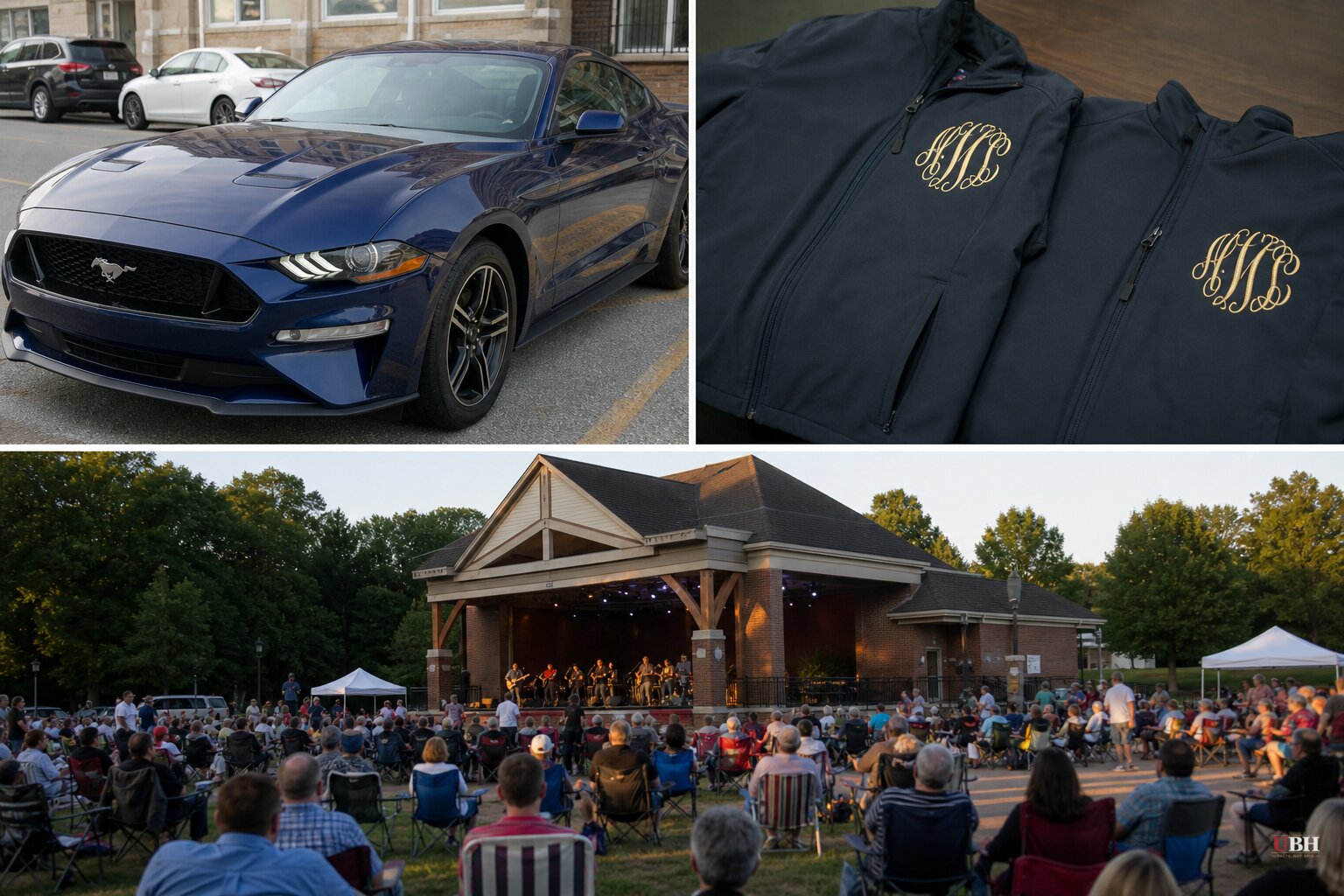
New Jersey's opioid settlement was supposed to fund treatment beds, prevention programs and recovery services for a state that has lost an estimated 30,000 people to overdoses over the past decade. Instead, at least 25 towns spent a combined $2.3 million of it on items that have nothing to do with addiction care, according to an investigation by NJ.com.
The state settled with Purdue Pharma, Johnson & Johnson, CVS and 10 other painkiller manufacturers and distributors in 2021, part of a landmark national opioid litigation effort. New Jersey's cut totals about $1.1 billion, paid out through 2040. Half of the money collected so far, roughly $550 million, has gone directly to towns and counties since 2022, per NJ.com.
Where the money went
Atlantic City received more than $2.3 million from the settlement. City officials spent $73,000 on a custom vinyl-wrapped 2022 Mustang Mach-E for the police department, according to NJ.com. The city also spent around $140,000 on 30 monogrammed jackets, clothing, backpacks, consulting services and a homeless workforce program.
Irvington spent more than $600,000 on two "opioid awareness" concerts in 2023 and 2024. A July 2025 report from the New Jersey Office of the State Comptroller found the concerts came up short on substance. "None of the billboards, promotional materials, or T-shirts that Irvington provided to the Office of the State Comptroller included information about obtaining treatment or avoiding abuse of opioids," the comptroller's report said.
Camden paid $148,000 to a nonprofit to identify and document broken streetlights. A city spokesperson told NJ.com the effort was meant to "impede the drug trade and prevent open drug use" by improving lighting in high-crime areas. That reasoning doesn't square with what most people would picture as an addiction service, but it includes at least a stated public-safety rationale.
Manchester Township spent $57,000 on a new car for a school resource officer, saying it was meant to help "combat drug addiction and overdose related issues" in the school system. Lindenwold received $166,000 from the settlement, according to NJ.com, though the report did not detail how all of it was spent.
How towns got away with it
According to NJ.com, the spending violated the terms of the 2021 national settlement agreement, a 2022 memorandum from the New Jersey Attorney General's Office, and the state's 2023 Opioid Law, all of which were meant to restrict settlement funds to addiction-related uses. Towns exploited vague settlement language and loosely defined guidelines to justify purchases that a reasonable person would not call treatment, prevention or recovery spending.
The settlement agreement lists broad categories, things like "public safety," "prevention," and "other strategies," that towns can point to when defending almost any purchase. A police department can call a new patrol vehicle a drug-enforcement tool. A city can call streetlight repairs a crime-deterrence measure. Without hard, specific spending rules and real-time audit requirements, local officials get to decide for themselves whether a purchase qualifies, and some have stretched that discretion past the breaking point.
The human cost behind the numbers
Former New Jersey Assemblyman John Armato, who lost his son Derek to a fatal overdose in 2020, did not mince words. "This is blood money," Armato, 78, told NJ.com. "Hundreds of thousands of people are dying because of this," he said, referring to New Jersey's broader overdose and addiction crisis, which state officials estimate has left roughly 150,000 residents addicted.
What accountability looks like so far
The state comptroller's July 2025 report on Irvington's concert spending documents misuse in detail. There is no indication that the state Attorney General's Office, which issued the original 2022 spending memorandum, has taken enforcement action against Atlantic City, Camden, Manchester Township or Lindenwold, and no charges or clawback demands have been reported.
A town spending settlement money in a way that violates guidance is not automatically a crime, and nothing in these sources suggests fraud in a legal sense. This is a story about weak guardrails and elastic definitions rather than anyone breaking the law.
The unresolved question is whether New Jersey tightens the settlement's spending rules before the remaining roughly $550 million goes out through 2040, or whether towns keep operating under the same vague guidelines that let a police Mustang and a pair of concerts pass as opioid remediation. NJ.com's investigation names the towns and the dollar figures. Whether the Attorney General's Office or the state legislature responds with binding restrictions, audits, or clawbacks remains an open question.
Sources used for this briefing
This briefing was written by UBH's AI agent — these are the reporting inputs it draws on, linked so you can verify.


