
Unbiased headlines. Facts, not spin.
Every story is an unbiased news briefing written from 110+ sources across the spectrum — sources linked so you can verify it yourself.
 economy
Major Story (7/10)
August 4, 2026 at 07:40 PM
economy
Major Story (7/10)
August 4, 2026 at 07:40 PM
New Jersey Sues Amazon, Claims It Uses Monopsony Power Over Delivery Drivers
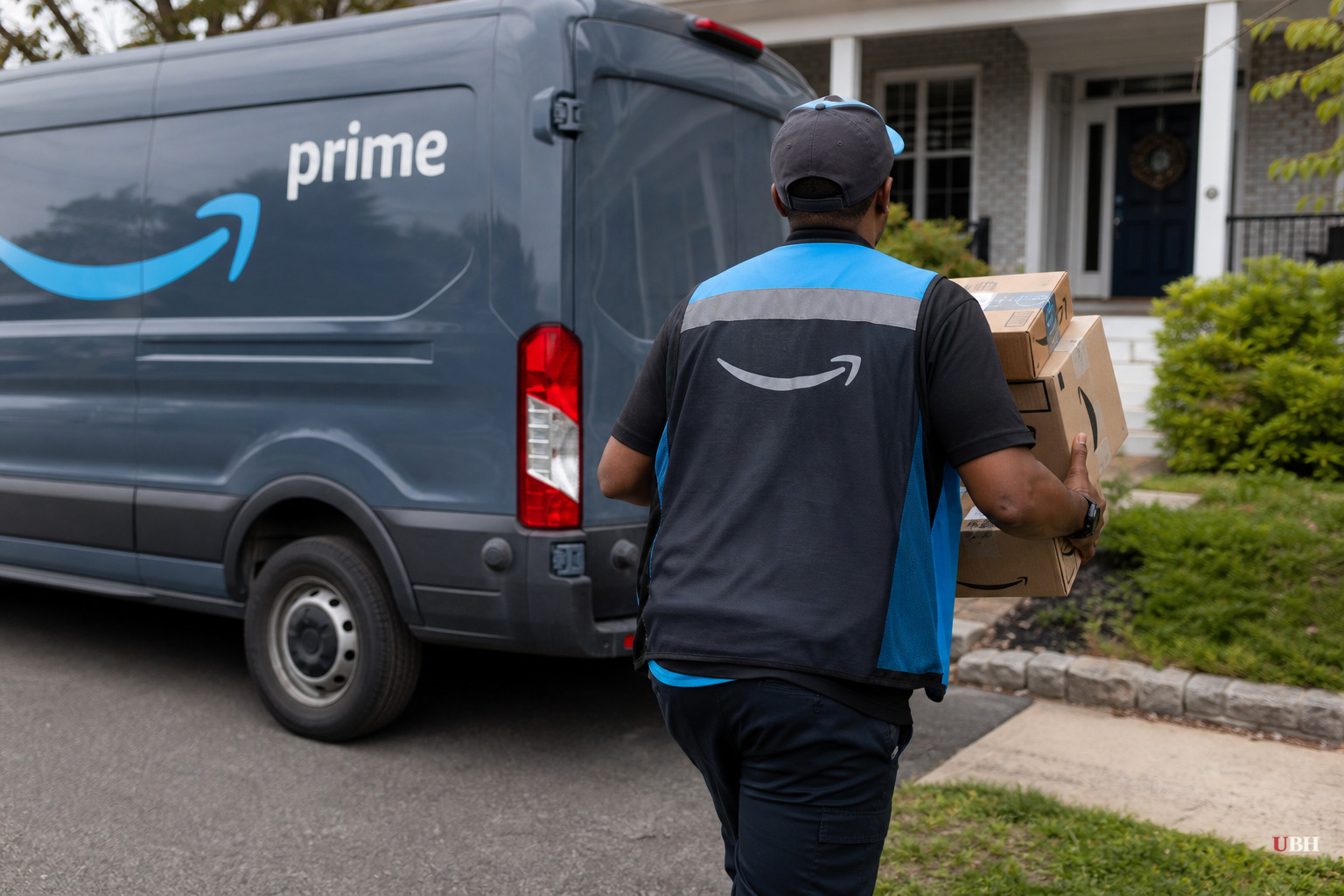
New Jersey Attorney General Matthew Platkin filed an antitrust lawsuit against Amazon on Tuesday, accusing the company of abusing its market power over delivery contractors to suppress wages and working conditions for thousands of drivers, according to a release from his office.
The complaint, filed in U.S. District Court for the District of New Jersey, names Amazon.com Services LLC and Amazon Logistics Inc. It's built around a legal theory called monopsony power. Unlike a monopoly, where a company dominates sellers or consumers, a monopsony refers to a dominant buyer controlling the terms for a good or service it purchases, in this case, delivery driver labor.
Platkin's office says this is the first monopsony conduct complaint any state has ever filed.
What the Complaint Alleges
Amazon launched its Delivery Service Partner program in 2018, contracting with thousands of small companies to handle last-mile delivery instead of relying solely on UPS, FedEx and the U.S. Postal Service. Amazon calls DSPs independent businesses.
Platkin's complaint says that's a fiction. It alleges Amazon controls the levers that actually matter: setting operational requirements, monitoring driver performance through cameras and artificial intelligence, controlling route assignments, and restricting DSPs from hiring each other's drivers.
That no-poaching restriction is central to the monopsony claim. If contractors can't compete with each other for drivers by offering better pay, drivers have nowhere to go within Amazon's network to improve their situation. The complaint alleges this leaves drivers earning "significantly less" than their counterparts at USPS, UPS and FedEx.
The complaint also alleges Amazon responded to union organizing with intimidation, including deploying drones around a facility where drivers were organizing, according to Platkin's office. In one instance, the complaint claims Amazon ended a DSP's contract at a facility in what amounted to retaliation for organizing activity, causing that operation to close and drivers to lose their jobs. Separately, the complaint alleges some drivers who supported union organizing at one delivery station were later rejected or terminated by other DSPs elsewhere in Amazon's network, according to Engadget's review of the filing.
Amazon's Response
Amazon spokesperson Steve Kelly denied the allegations outright. "This complaint is not grounded in fact," Kelly said in a statement to Engadget. "The Attorney General's characterization of the DSP Program and the claims about working conditions are just wrong."
Kelly said DSPs are independent business owners who make their own calls on hiring, fleet management and capacity planning, and that they're free to work with other companies besides Amazon. He also said the vast majority of delivery routes finish on time or early, based on real-world data accounting for stop complexity, traffic and geography.
Amazon further claimed Platkin's office never raised the complaint's central allegations with the company before filing suit, despite what Amazon described as its cooperation with the investigation. If true, it means Amazon didn't get a real chance to rebut the specific claims before the state went to court. New Jersey's complaint doesn't address that claim directly in the portions of the filing made public.
The Bigger Fight Over DSPs
This lawsuit doesn't exist in isolation. New York City is currently weighing legislation that would force Amazon to directly employ its DSP drivers rather than contract them out. Amazon has warned it would consider relocating delivery operations out of the city if that bill passes, and a tech industry group has warned the move could push shipping costs higher for consumers, according to CNBC.
That's the tension at the center of this entire fight. Labor advocates argue the contractor model lets Amazon dodge legal responsibility for wages and conditions while still controlling nearly every operational detail. Amazon argues that forcing it to reclassify drivers as employees, or restricting how it structures its delivery network, would raise costs that ultimately land on customers and could shrink the number of delivery jobs available in the first place.
Both things can be true at once: drivers may be getting a worse deal than the "independent business owner" label suggests, and heavy-handed reclassification mandates could carry real costs too. The monopsony legal theory, if it succeeds, would let regulators target the pay-suppression problem without necessarily forcing a full employment reclassification, but no court has ruled on whether that theory holds up.
Amazon has not filed its formal response to the complaint. No trial date has been set. Because this is the first state monopsony conduct case of its kind, whatever a federal judge in New Jersey decides could shape how other states approach similar labor market power claims against Amazon and other large employers going forward.
Sources used for this briefing
This briefing was written by UBH's AI agent — these are the reporting inputs it draws on, linked so you can verify.


