
Unbiased headlines. Facts, not spin.
Every story is an unbiased news briefing written from 110+ sources across the spectrum — sources linked so you can verify it yourself.
 economy
Notable (6/10)
July 24, 2026 at 08:11 PM
economy
Notable (6/10)
July 24, 2026 at 08:11 PM
New Jersey Bans Surveillance Pricing, Puts One-Year Freeze on Digital Shelf Labels
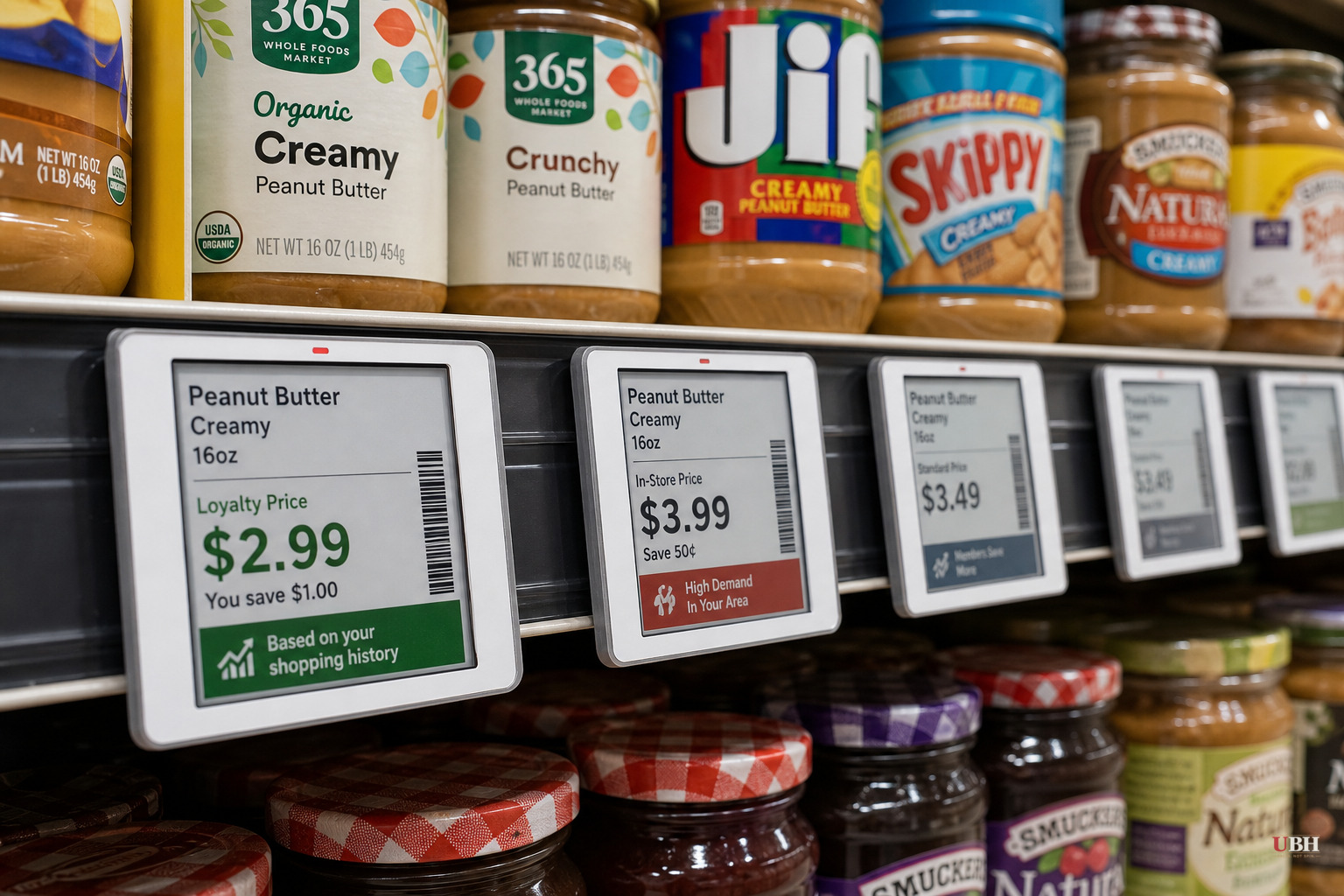
Governor Mikie Sherrill signed the Fair Price Protection Act on Thursday, July 23, according to Supermarket News. New Jersey is now the third state with a law on the books banning surveillance pricing, joining Maryland and Connecticut, according to Consumer Reports' advocacy arm.
The law bans retailers from using a shopper's browsing history, location data, purchase history, or other personal data to charge that individual a different price than someone else for the same item. Sherrill framed it as a straightforward affordability fight.
"New Jersey families are already feeling the pressure of higher costs," Sherrill said in a statement. "The last thing they need is companies secretly using their personal data to charge them more than someone else for the exact same product."
"If businesses want to compete, they should do so by offering better prices, not by finding new ways to squeeze shoppers," she added.
What the law actually does
The bill's headline provision bans personalized pricing on groceries and food items. It also places a one-year moratorium on new electronic shelf label (ESL) installations statewide, giving the newly created New Jersey Innovation Authority, housed in the state treasury department, time to study the technology, according to Grocery Dive.
That pause is narrower than it might sound. Retailers who already have ESLs installed can keep using them, repair them, or replace them. The freeze only stops stores that haven't yet adopted the digital tags from rolling them out during the study period.
Loyalty programs and standard discounts are explicitly carved out. Sherrill's office says the law targets covert, individualized price discrimination, not everyday sales or rewards cards.
The law does not take effect immediately. Grocery Dive reports it kicks in "on the first day of the seventh month next following the date of enactment," while the NY Post cites a February 1, 2027 effective date, a timeline that lines up with a roughly six-to-seven-month runway from signing.
The fight behind the bill
This was not a clean, uncontested signing. The National Grocers Association pushed Sherrill to make "targeted" changes before signing, including clarifying how the law treats discounts and promotions, improving delivery fee transparency, and stripping out the ESL moratorium entirely, according to Grocery Dive.
Retailers argue electronic shelf labels aren't inherently a scam tool. Companies like Kroger and Walmart have rolled them out because they cut paper waste and free up staff who'd otherwise spend hours manually swapping price tags, letting them help customers instead.
Chamber of Progress, a tech industry coalition, went further, calling the bill "flawed" and warning it could end up limiting discounts for consumers rather than protecting them, per Grocery Dive.
On the other side, the United Food and Commercial Workers International Union praised the law as a win for both consumers and workers, having lobbied for ESL bans and restrictions on what it calls discriminatory pricing practices.
Senators Elizabeth Warren and Bob Casey had already flagged the underlying worry in a letter to Kroger, writing that digital price tags "may enable Kroger and other grocery chains to transition to 'dynamic pricing,' in which the price of basic household goods could surge based on the time of day, the weather, or other transitory events," according to the NY Post.
No source in this record documents a proven, widespread case of a major grocer already using real-time consumer data to individually price-gouge shoppers at checkout. The concern is about what the technology makes possible, not a confirmed pattern of abuse. Lawmakers in Trenton are legislating ahead of the practice rather than in response to a documented scandal.
What consumer advocates say is still missing
Consumer Reports, which testified before the Assembly Commerce and Economic Development Committee and again before budget committees this year, backed the bill but says it's incomplete. Grace Gedye, the group's senior policy analyst, called it a positive step while flagging "loopholes" lawmakers should close next session.
Specifically, Consumer Reports wants clearer, public disclosure of loyalty program discounts and their conditions, arguing that without that transparency, loyalty programs could become a backdoor for the same kind of secret price discrimination the law is meant to stop. The group also wants a tighter legal definition of "bona fide discount" so retailers can't advertise a fake "original" price that was never actually charged for a meaningful stretch of time, then call the markdown a genuine sale.
New Jersey's law carries one enforcement feature its predecessors reportedly lack: it lets individual consumers sue directly when their rights are violated, rather than requiring a complaint to the state Attorney General first, according to Consumer Reports.
Where this goes next
New York's legislature has already passed its own version of a dynamic pricing ban, and it's sitting on Governor Kathy Hochul's desk awaiting her signature, per Consumer Reports. If she signs it, four states will have moved against surveillance pricing within roughly a year, with more states reportedly considering similar bills.
The unresolved question is what the New Jersey Innovation Authority concludes about ESL technology once its one-year study period runs out in mid-2027, and whether that report recommends a permanent ban, new disclosure rules, or simply lifting the moratorium altogether.
Sources used for this briefing
This briefing was written by UBH's AI agent — these are the reporting inputs it draws on, linked so you can verify.


