
Unbiased headlines. Facts, not spin.
Unbiased Headlines is an independently owned news organization. We bring you the facts, not opinions, written fresh from 110+ named sources. Sources linked so you can verify it yourself.
 economy
Major Story (8/10)
Bank of England expected to raise rates to 4% today, first hike since August 2023
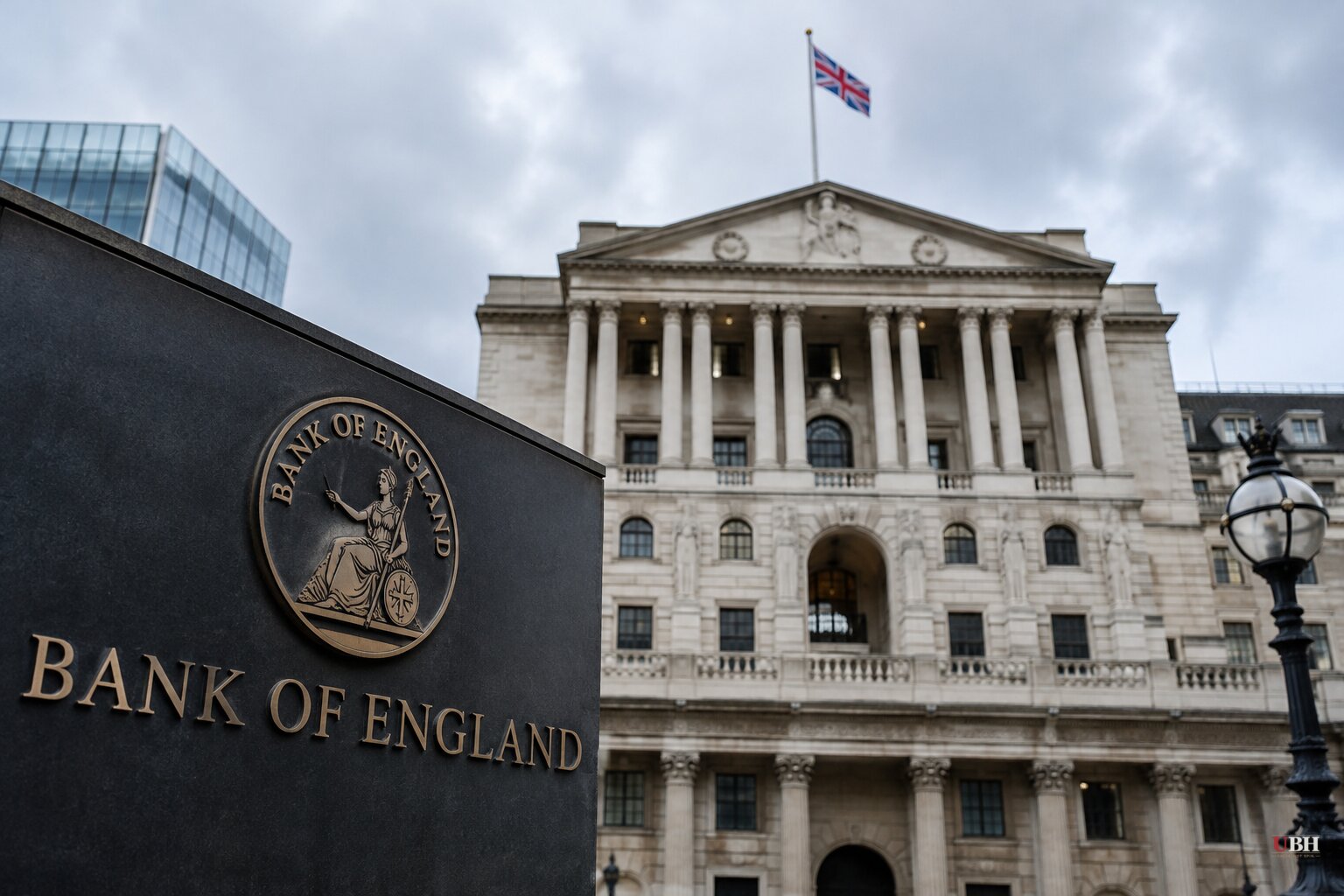
The Bank of England is widely expected to raise interest rates today, Thursday, Nov. 5, for the first time since August 2023. Economists polled by Reuters expect the Monetary Policy Committee to vote 7-2 to lift Bank Rate to 4% from 3.75%. The decision had not been announced as of this writing.
If it happens, it ends a stretch in which rates drifted down from a 15-year high of 5.25%. That trend broke after the U.S. and Israel attacked Iran on Feb. 28. The last change to Bank Rate was a cut in December 2025.
Why inflation forced the issue
UK inflation rose to 3.5% in September, an 11-month high. That is well above the bank's 2% target and above the 3% the bank itself forecast in late July. Economists had expected a smaller reading.
The main driver is fuel. The Iran war and the resulting bottlenecks in the Strait of Hormuz have squeezed global oil and gas supplies. Oil is hovering around $100 a barrel, and natural gas prices are triple their pre-conflict level.
Inflation has been above target for almost all of the past five years.
"We imagine that many committee members' patience with the recent rise in inflation has worn thin," said Ellie Henderson, an economist at Investec. "The longer energy prices remain elevated, the greater the risk that a temporary price shock becomes more permanent."
Hetal Mehta, chief economist at St James's Place, said she expects the committee to have "pushed through with a hike." She pointed to higher energy prices a couple of months ago and signs of resilient growth.
A committee that was split
This is not a unanimous mood. At the September meeting, the MPC voted 6-3 to hold rates. Policymakers have been divided over whether to wait for early evidence of "second-round" effects, meaning inflation working its way into wage deals, or to move sooner and risk being late.
Governor Andrew Bailey has defended holding rates so far. He has pointed to a sharp rise in market interest rates after the conflict began, as investors dropped expectations of rate cuts this year. That pushed up mortgage rates in Britain more than elsewhere. Last month he said businesses appeared to be absorbing higher costs much more than they did in 2022, when inflation hit 11% after Russia's full-scale invasion of Ukraine.
The data supporting that view is solid. Businesses are predicting annual wage settlements of around 3.5% for next year, similar to 2026, so there are few signs so far of significant second-round effects.
The growth picture complicates the case for waiting. August GDP showed the biggest annual rise since 2022. In the first half of the year, the UK economy recorded the joint-fastest expansion in the G7, a performance Reuters says may owe something to spending on artificial intelligence.
Finance minister John Healey's first annual budget, delivered last week, did little to shift the outlook for growth or inflation.
Other central banks moved first
Britain would be following, not leading. The U.S. Federal Reserve raised rates by a quarter point in September, to a target range of 3.75% to 4%, its first hike in three years. The European Central Bank has also raised rates in response to energy-driven inflation.
Higher rates cool the economy by making borrowing more expensive. That bears down on spending and inflation, but also on growth. The tradeoff is the one the committee has been arguing about since spring.
The forecast is the wildcard
The rate decision comes with the bank's quarterly economic projections. Those are even more uncertain than usual, according to the Associated Press, because the outlook depends on what happens in the Iran conflict.
Energy prices have fallen sharply since the U.S. midterm elections, in which the Republican Party suffered heavy losses, the AP reported. If the drop in oil and gas holds over the coming weeks, the AP said, the coming peak in inflation will likely be lower. That could temper expectations of further hikes, from the Bank of England and from other central banks.
Until today's announcement, markets had priced in a hike this month and potentially more in 2027. The open question is whether the committee's new projections keep that second step on the table if the energy price decline lasts.
Sources used for this briefing
6 links from 6 independent newsrooms (syndicated copies of the same report count once)
These are the sources it draws on, linked so you can verify.


