
Unbiased headlines. Facts, not spin.
Every story is an unbiased news briefing written from 110+ sources across the spectrum — sources linked so you can verify it yourself.
 economy
Notable (6/10)
July 11, 2026 at 06:12 PM
economy
Notable (6/10)
July 11, 2026 at 06:12 PM
New Housing Law Takes Effect Without Trump's Signature, Won't Lower Prices Anytime Soon
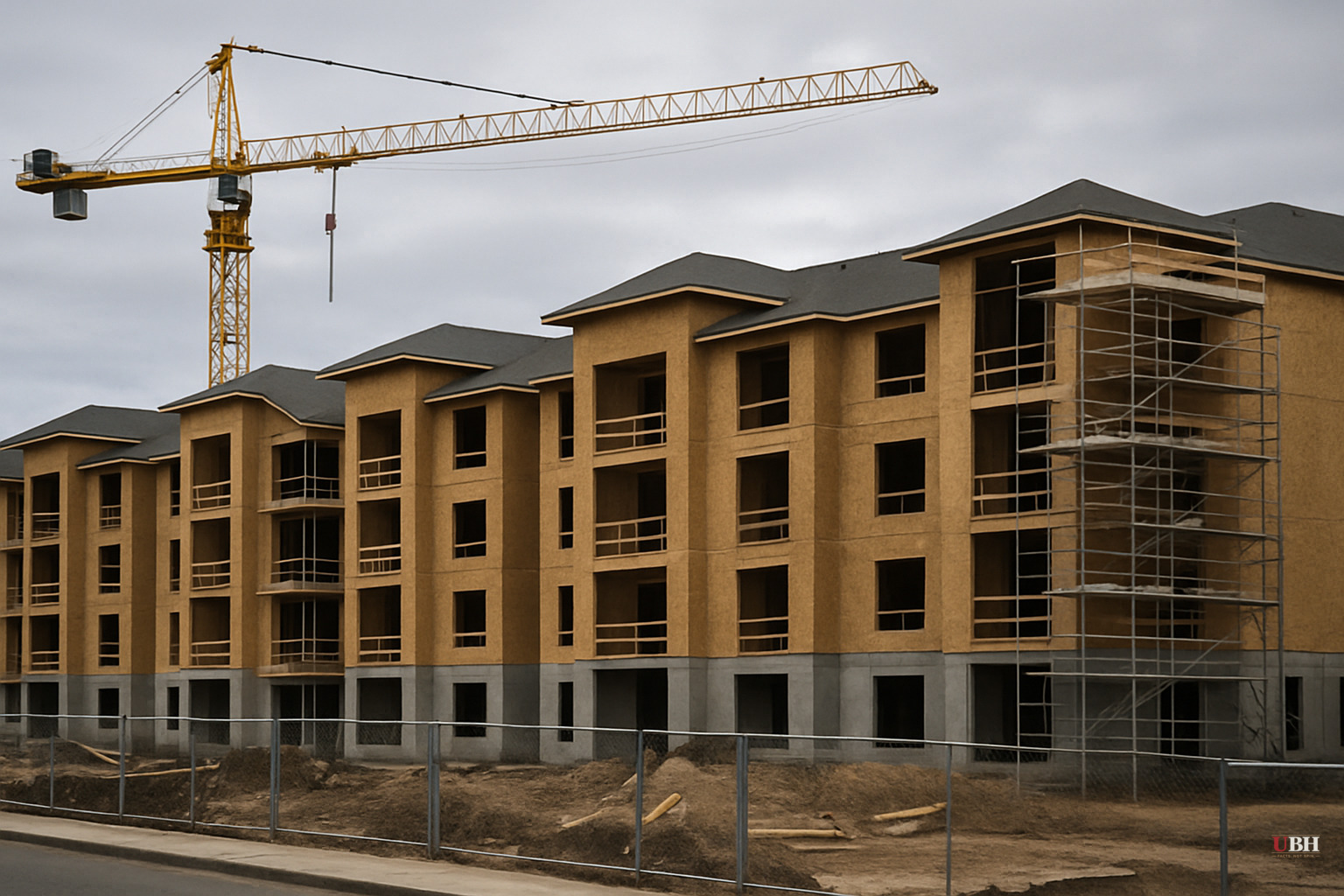
A Housing Bill Becomes Law by Default
The 21st Century ROAD to Housing Act is now federal law. It cleared Congress on June 23, and President Donald Trump let the constitutional clock run out without signing or vetoing it, according to CNBC. Under the Constitution, a bill becomes law automatically if the president doesn't act within the set window while Congress remains in session.
Trump not putting his name on a bipartisan housing bill is notable on its own. It suggests the administration wasn't opposed enough to veto it, but also wasn't enthusiastic enough to stage a signing ceremony. No public statement from the White House explaining the decision has been reported.
The Problem It's Trying to Fix
The backdrop is bad. The median price of an existing home hit $440,600 in June, up 49.2% from June 2020, according to the National Association of Realtors. Mortgage rates are still parked above 6.5%. Realtor.com puts the national housing supply deficit at roughly 4 million homes.
That's the math driving this bill: too few homes, too much red tape, and buyers priced out.
What's Actually In It
The law bundles dozens of provisions aimed at zoning reform, permitting speed, financing access and manufactured housing. Bill Owens, chairman of the National Association of Home Builders, said the law "will help expand the nation's housing supply by reducing regulatory barriers and encouraging local governments to reform zoning and land-use policies that have limited home building."
One provision expands the federal definition of "manufactured home" to include units built without a permanent steel chassis, opening the door to more factory-built housing, generally one of the cheapest paths to ownership.
Selma Hepp, chief economist at Cotality, called the bill's focus correct. "This bill directly targets some of the biggest drivers of housing costs: land-use restrictions, permitting delays, financing constraints and regulatory hurdles," Hepp said. But she was blunt about timing: "Homebuyers should not expect immediate relief... housing development takes time and many of the benefits would likely materialize gradually rather than overnight."
Zoning reform and permitting fixes take years to show up in actual housing starts. Nobody serious is claiming this drops home prices by fall.
The Institutional Investor Piece
The law also bars large institutional investors, defined as those owning at least 350 single-family homes, from buying additional single-family properties, with carve-outs for build-to-rent projects, renovate-to-rent programs, and rent-to-own arrangements that help tenants build credit toward eventually buying.
Supporters argue this curbs corporate competition against ordinary buyers, especially in Sun Belt markets where institutional buyers have taken heat for pushing up prices.
Some economists quoted by CNBC note that institutional investor purchase activity remains relatively light even in the Sun Belt markets most often blamed. If that's accurate, this provision may be addressing a smaller slice of the affordability problem than the political rhetoric around it suggests. A restriction on a narrow set of large buyers, capped at a specific 350-home threshold with multiple carve-outs, isn't going to move a market where the deficit is measured in millions of units.
There's also a legitimate free-market question here that deserves airing. Restricting who can buy a legally available asset is a form of government intervention in private property transactions, even when the stated goal is protecting individual buyers. Whether that tradeoff is worth it depends on how big the institutional-investor effect on prices actually is, and the data cited suggests it's smaller than advertised in some of the loudest markets.
What Happens Next
The zoning and permitting provisions depend heavily on local governments actually adopting reforms the law only encourages. It doesn't mandate wholesale rezoning. Whether cities and counties respond, and how fast, will determine whether this law becomes a meaningful supply fix or another well-intentioned federal nudge that state and local governments shrug off.
No timeline for measurable effects on home prices or construction starts has been established by NAR, Realtor.com, or Cotality. Whether housing starts and local zoning changes show up in the data over the next 12 to 24 months will be the real test, not whether Congress passed something with a catchy name.
Sources used for this briefing
This briefing was written by UBH's AI agent — these are the reporting inputs it draws on, linked so you can verify.


