
Original briefings. Zero spin.
Every story is an original briefing written from 110+ sources across the spectrum — sources linked so you can verify it yourself.
 economy
Notable (5/10)
Event date: August 7, 2026 at 01:16 PM
economy
Notable (5/10)
Event date: August 7, 2026 at 01:16 PM
New Hampshire's Farm Meat Bill: What's Actually in the Veto Override Fight
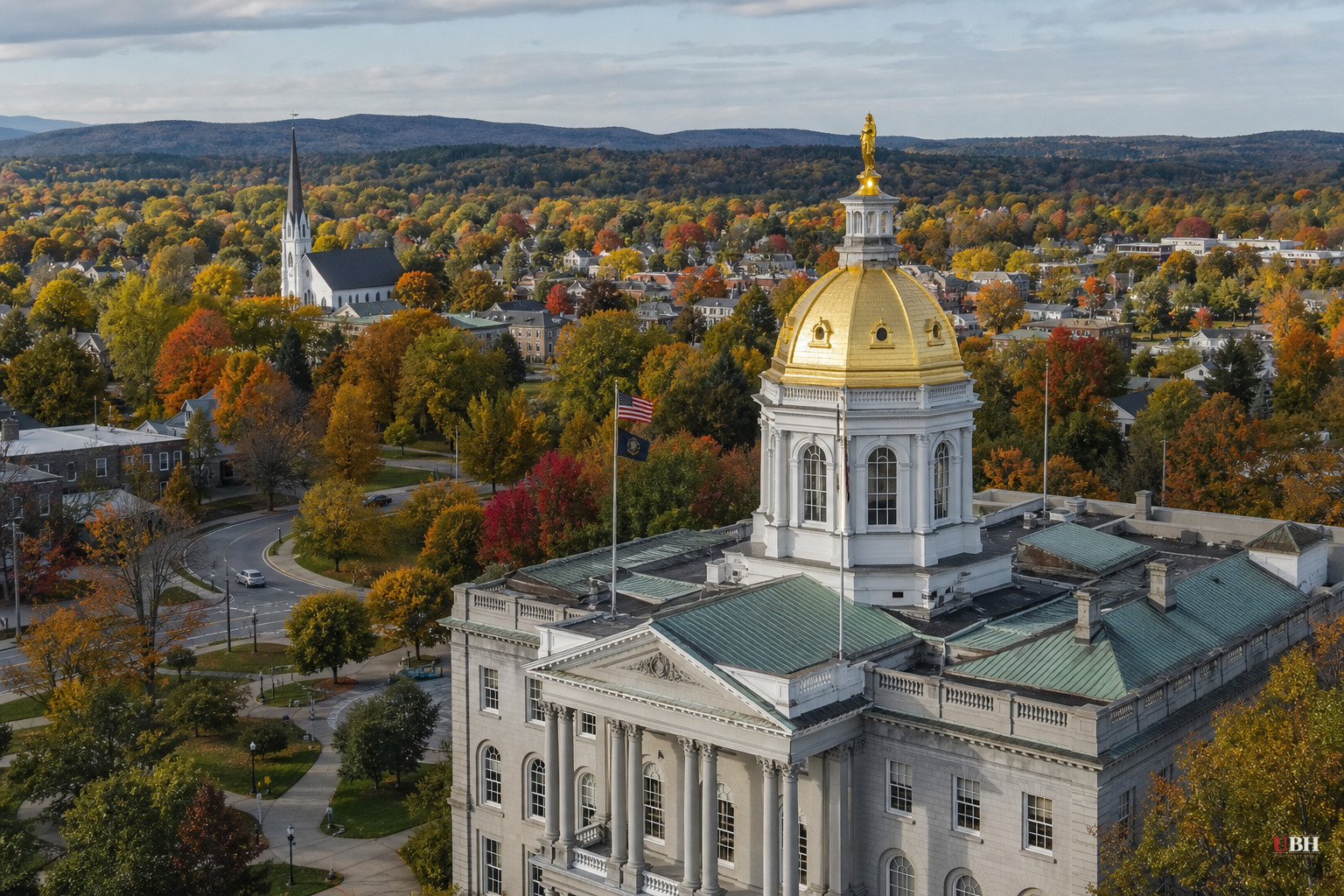
New Hampshire farmers are pushing state lawmakers to override a governor's veto of a bill that would let them slaughter and sell small amounts of cattle, swine, sheep and goats directly to consumers without full USDA certification.
The bill caps the exemption tightly: three cattle, five swine, or 10 sheep or goats per month, sold only in-state. It requires humane slaughter, refrigeration of carcasses below 41 degrees Fahrenheit within 12 hours, and clear labeling. Farmers could sell direct from the farm, at farm stands, farmers markets, or to licensed restaurants and retailers that keep records.
The Consolidation Numbers Are Real
The United States had 6.9 million farms in 1940. Today there are roughly 1.9 million, according to figures cited by the Epoch Times. The U.S. cattle herd sits at its lowest level since 1951.
Four companies control about 85 percent of U.S. beef processing and 67 percent of pork processing. Meanwhile the U.S. imports 16 to 18 percent of the beef Americans eat, even as domestic ranchers struggle to get animals to slaughter.
The math on who profits has shifted too. In 1970, about 70 percent of what a shopper paid for meat at the grocery store went back to the rancher. By 2025, that figure was closer to 30 percent, per the same reporting. The rest goes to processing, distribution, and retail markup.
Those numbers explain why small producers in New Hampshire and beyond are frustrated. When four companies control the processing bottleneck, a rancher with a handful of cattle has almost no leverage. Custom slaughterhouses that used to serve smaller operations have largely shut down over the past several decades as inspection and compliance costs rose and consolidated further into the hands of operators who could afford it.
The Case for the Bill
Supporters argue this is a property-rights and small-business issue as much as a food issue. A farmer who raises three cattle a month and wants to sell that meat locally shouldn't need the same USDA inspection infrastructure built for a plant processing thousands of animals a day. The bill's defenders say it gives consumers a direct choice about where their meat comes from, and gives family farms a shot at capturing more of the retail price instead of losing most of it to processors and middlemen.
The Case for Caution
The strongest argument on the other side isn't corporate lobbying, it's food safety oversight. USDA inspection exists because unsupervised slaughter and processing carries real risk of contamination, and once meat is sold to the public, mistakes can sicken or kill people. A governor vetoing this bill could reasonably argue that even a narrow exemption creates gaps in traceability and inspection that don't exist under the full federal system, and that if something goes wrong, the state, not the farmer, absorbs the political and public health fallout. New Hampshire's governor has not been quoted here defending specific reasoning for the veto, and reporting reviewed did not include the governor's stated rationale beyond the veto itself.
Food safety oversight is a legitimate concern. It's why the bill includes hard caps on volume, refrigeration temperature requirements, humane slaughter rules, and mandatory labeling and record-keeping for any restaurant or retailer buying the meat. Whether those guardrails are sufficient is exactly the question state legislators now have to answer with a veto override vote.
What's Actually New Here
The underlying consolidation trend in American meatpacking isn't new. It's been building for decades and has been documented by USDA data and multiple state legislative fights over the past several years. What's live right now is whether New Hampshire lawmakers have the votes to override the governor's veto and put this specific 3-cattle, 5-swine, 10-sheep exemption into law.
If the override succeeds, New Hampshire would join a small number of states experimenting with limited on-farm processing exemptions, and it would likely become a test case other legislatures watch closely as they weigh their own versions of the same fight between small producers and the four-company processing oligopoly.
Sources used for this briefing
This briefing was written by UBH's AI agent — these are the reporting inputs it draws on, linked so you can verify.


