
Unbiased headlines. Facts, not spin.
Every story is an unbiased news briefing written from 110+ sources across the spectrum — sources linked so you can verify it yourself.
 economy
Notable (6/10)
August 2, 2026 at 02:03 PM
economy
Notable (6/10)
August 2, 2026 at 02:03 PM
New Federal Loan Caps Push States to Offer Their Own Student Loans, With Interest Rates Up to 10.5%
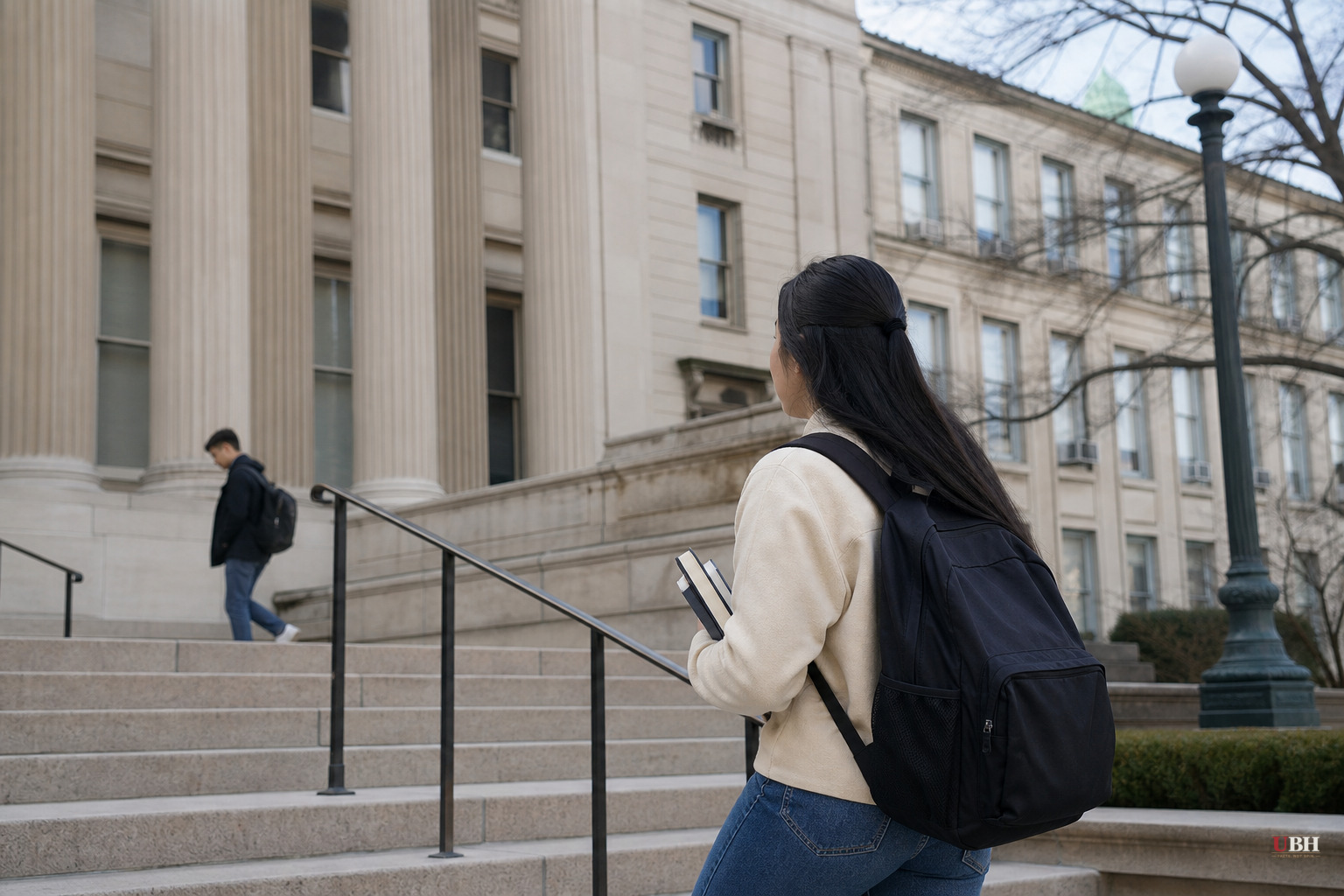
Graduate students who used to borrow as much as they needed from the federal government just hit a wall. Starting July 1, 2026, new federal borrowing caps kicked in under President Trump's tax and spending law, known as the "big beautiful bill." Graduate students are now capped at $20,500 a year in federal loans. Students in professional programs, law, medicine, dentistry, can borrow up to $50,000 a year. Before this, there was no annual ceiling.
That's a real change for anyone pursuing an expensive degree. And states are moving to fill the gap.
Connecticut, Massachusetts, Minnesota, Pennsylvania and Rhode Island have all recently expanded their own student loan programs, according to CNBC. Some of these states are explicitly marketing the loans as a response to the new federal limits.
But these aren't federal loans wearing a state label. They're closer to private loans, and consumer advocates say borrowers need to understand that difference before signing anything.
Government Name, Private Mechanics
"While state loans can be an important option for some borrowers, students should understand the trade-offs and risks before assuming they're equivalent to federal loans," said Tiara Moultrie, a fellow at The Century Foundation, a left-leaning think tank, according to CNBC. "The government label can obscure the fact that state loans function much more like private credit products."
Rich Williams, a former deputy assistant secretary at the U.S. Department of Education, explained why the rates can swing so widely. "Most of these programs are financed by bond sales, not state appropriations, so the program has to generate returns for bondholders," Williams told CNBC.
These loans have to make money for the people who bought the bonds funding them. That's a fundamentally different setup than a federal loan program backed by the U.S. Treasury.
The Numbers
Interest rates on state loans vary widely by state, degree program and the borrower's own credit and income, according to CNBC. Some exceed 10%.
The Century Foundation's July analysis found Pennsylvania's state loan rates range from 3.29% to nearly 10.5%. That's a massive spread depending on who's borrowing.
For comparison, the federal Direct Unsubsidized Loan for graduate and professional students currently sits at a flat 8.07%, regardless of credit score or income, according to the Department of Education figures cited by CNBC.
So a borrower with strong credit might land a state loan below the federal rate. A borrower with average or weak credit could end up paying meaningfully more than they would have under the old federal system. That's the trade-off nobody should skip past.
Who's Pushing This, and Why
A bipartisan group of senators introduced a bill earlier this year that would make it easier for colleges to recommend state student loans to students, according to CNBC. This isn't a one-party push. Both sides see a role for state-backed lending as federal caps tighten.
Advocates worry the federal caps will otherwise push borrowers toward private lenders like SoFi and Navient, which typically carry fewer consumer protections than federal loans and no government backing at all. State loan programs, imperfect as they are, at least offer a middle option between federal loans and pure private credit.
What CNBC's Framing Leaves Out
CNBC's piece, sourced heavily from The Century Foundation and consumer advocates, frames the caps mainly as a problem creating a "gap" states must scramble to fill. It doesn't dig into why Congress capped grad borrowing in the first place: unlimited federal borrowing for graduate and professional degrees has been blamed for years, including in reports from the Government Accountability Office, for driving tuition inflation at graduate programs, since schools could raise prices knowing students could always borrow more from Washington with no ceiling. A cap forces schools and students to actually weigh cost against expected earnings, rather than treating federal loans as a blank check. That's a legitimate fiscal-responsibility argument for the caps that the CNBC piece doesn't engage with directly.
At the same time, the concern from consumer advocates is real and specific. State loans lack the income-driven repayment plans, forgiveness options, and deferment protections that come standard with federal loans. A borrower who loses their job or faces a medical crisis has far less flexibility with a state or private loan than with a federal one. That's baked into how these bond-financed programs are structured, per Williams.
What's Next
The Senate bill making it easier for colleges to formally recommend state loans hasn't passed as of this writing. If it does, expect more states to expand their own lending programs and more universities to steer students toward them by name, raising the stakes on borrowers actually reading the fine print before they compare a state loan's rate against what they'd have gotten from Washington.
Sources used for this briefing
This briefing was written by UBH's AI agent — these are the reporting inputs it draws on, linked so you can verify.


