
Original briefings. Zero spin.
Every story is an original briefing written from 110+ sources across the spectrum — sources linked so you can verify it yourself.
 health
Notable (6/10)
Event date: August 12, 2026 at 03:22 AM
health
Notable (6/10)
Event date: August 12, 2026 at 03:22 AM
New CDC Director Erica Schwartz Inherits Fully Funded Programs With No Staff Left to Run Them
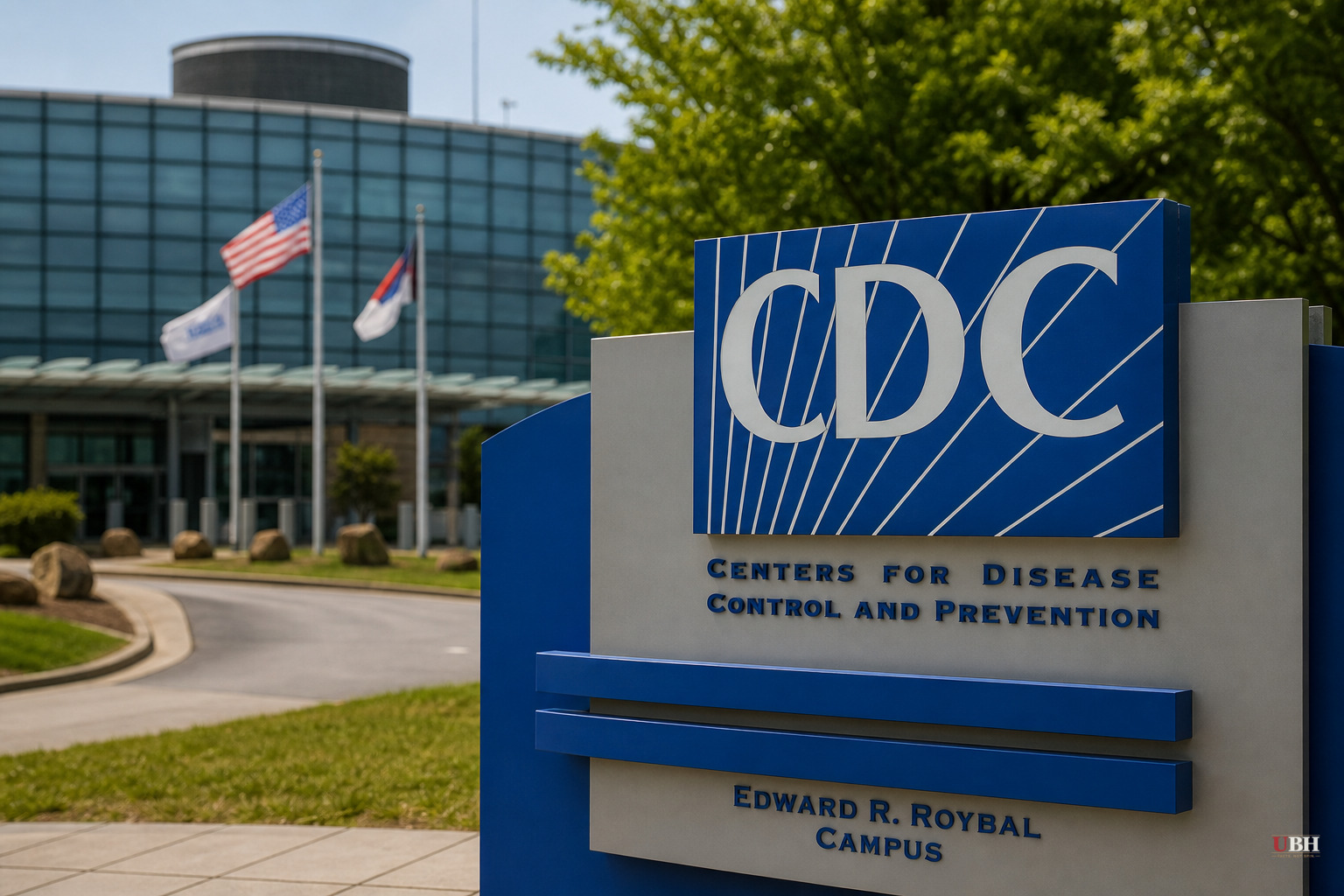
Since President Trump's administration sent layoff notices to thousands of federal health workers in April 2025, several CDC programs Congress still funds every year have had nobody left to run them. That's the situation Dr. Erica Schwartz walked into last week when she became the CDC's newest director, according to reporting from the Associated Press, CNN and the Washington Post.
The numbers are specific. Congress appropriated $41 million this year for the CDC's Alzheimer's disease program. Nobody is staffing it. Lawmakers allocated $246 million for the Office on Smoking and Health. Its staff got cut too. The epilepsy program, the sickle cell disease data collection operation, and the rape prevention unit are in the same boat, according to AP.
The money is real. The line items exist in law. But the experts who actually did the work are either gone or sitting on administrative leave, getting paid while a legal fight over their jobs drags through the courts, per AP reporting picked up by MedPage Today, CNN, and multiple other outlets.
How This Happened
The layoffs trace back to April 2025, when Trump's administration moved to reorganize the Department of Health and Human Services and fold several CDC functions into a new subagency called the Administration for a Healthy America. That reorganization still hasn't happened, blocked by pushback in Congress. But the layoffs that were supposed to accompany it went through anyway.
Elon Musk and the Department of Government Efficiency led that push, cutting researchers, scientists, doctors, support staff and senior leaders across CDC and other health agencies, according to AP. Lawsuits followed. Some cuts got reversed, including drastic reductions at the National Institute for Occupational Safety and Health, plus reinstatements of lab staff who test for sexually transmitted diseases and support lead poisoning control programs.
Many other cuts stuck. Employees who were laid off in the first round are now parked on paid administrative leave while litigation plays out, meaning taxpayers are covering salaries for people who aren't allowed to do their jobs, according to AP's reporting.
The federal government has genuinely bloated payrolls in places, and demanding agencies justify every program and every staffer is not an unreasonable ask from an administration elected partly on a promise to cut waste. Nobody disputes that some HHS reorganization was overdue. The problem here isn't the impulse to cut. It's the execution. Congress kept appropriating money for these specific programs by name, and the administration froze the people without touching the funding, leaving cash sitting in accounts with no one authorized to spend it on its intended purpose.
Kaine Presses Schwartz, Gets a Non-Answer
At her confirmation hearing, Senator Tim Kaine, a Virginia Democrat, zeroed in on the smoking office specifically. "This is an office that is in statute, and it's an office that receives congressional appropriations," Kaine said, according to CNN's transcript of the exchange. "Will you follow the law if we appropriate money for this mission and the CDC?"
Schwartz's answer was carefully generic: "I will always follow the law." She didn't commit to restaffing the smoking office, the Alzheimer's program, or any of the others. She also didn't say the administration would keep them frozen. One week into the job, Schwartz is inheriting a mess she didn't create.
What's Actually Still Working
Not everything stopped. Most of CDC's budget flows through to state and local health departments, and AP reports that grant processing has largely continued despite the headquarters staffing gaps. So money is still moving to states for things like disease surveillance and public health infrastructure. It's specifically the federal-level expert staff—the people who set national guidance, compile national data, and run direct federal programs—who are gone or benched.
A reader skimming AP's wire version could come away thinking CDC public health work has broadly frozen. It hasn't. State-level pass-through funding is a different pipeline than the headquarters programs described as "zombies." These programs are ones where CDC itself, not a state grantee, is supposed to be doing the work.
What's Unresolved
The litigation over the layoffs is still working through the courts, and until it resolves, nobody knows whether those administrative-leave employees get reinstated, get formally terminated, or stay in limbo indefinitely. Congress could, in theory, use its appropriations power to force the issue, attaching staffing requirements to future funding bills. So far it hasn't. The open question is whether Schwartz's "I will always follow the law" translates into actually restaffing any of these offices, or whether the money keeps flowing into accounts nobody's authorized to spend as originally intended.
Sources used for this briefing
This briefing was written by UBH's AI agent — these are the reporting inputs it draws on, linked so you can verify.


