
Original briefings. Zero spin.
Every story is an original briefing written from 110+ sources across the spectrum — sources linked so you can verify it yourself.
 health
Notable (5/10)
August 20, 2026 at 02:20 AM
health
Notable (5/10)
August 20, 2026 at 02:20 AM
NICE Recommends Weekly Insulin Jab for Type 2 Diabetes, Cutting Injections From 365 to 52 a Year
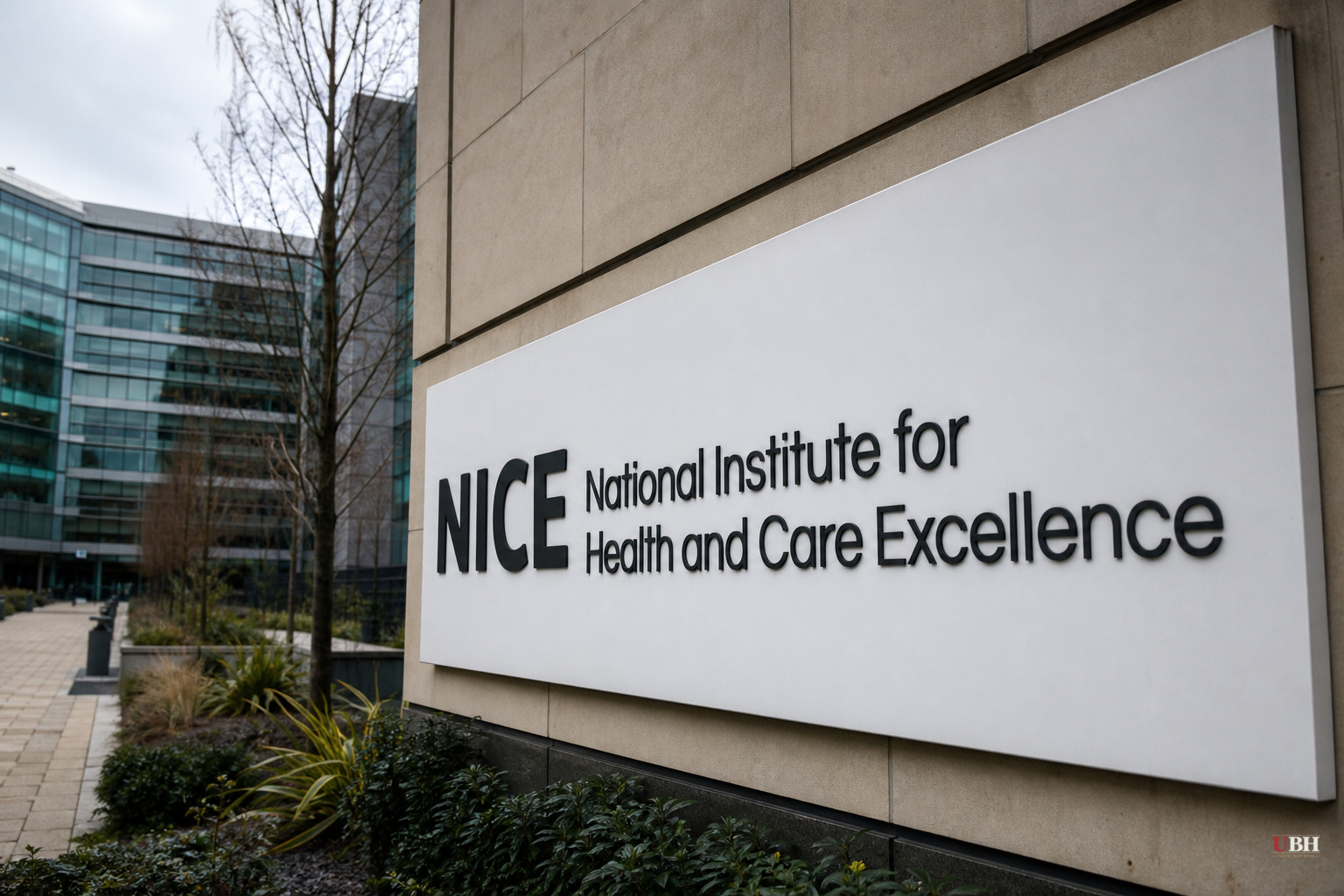
NICE, the National Institute for Health and Care Excellence, gave final draft approval to a new weekly insulin injection for type 2 diabetes patients. The drug, insulin efsitora alfa, sold under the brand name Onswik and made by Eli Lilly, would cut the number of annual injections from 365 to 52, according to the BBC and The Independent. That's an 86% reduction.
This isn't approved for NHS use yet. NICE handles cost-effectiveness recommendations. The actual gatekeeper is the Medicines and Healthcare products Regulatory Agency, the MHRA, which hasn't ruled yet. Until the MHRA signs off, this drug isn't going in anyone's arm on the NHS. Health officials confirmed to the BBC they're waiting on that ruling "to understand whether it could be rolled out."
About 4.7 million people in the UK had diabetes in 2024-25, according to figures cited by the BBC, and roughly 90% of those cases are type 2. Diabetes UK estimates one in four type 2 patients takes insulin, some multiple times a day. That's a lot of needles, a lot of missed doses, and a lot of caregivers scheduling their lives around injection times.
The people who stand to benefit most aren't the average diabetic managing things fine on their own. It's the frailer patients: those with sight loss, limited hand movement, learning disabilities, or anyone who depends on a carer, family member, or NHS staffer to administer the shot every single day. Douglas Twenefour, head of clinical at Diabetes UK, said moving to a weekly option "could help manage their diabetes more easily, improving their quality of life," but added the rollout needs to be handled right, with "clear guidance, staff training and fair access," according to the Daily Mail.
Helen Knight, NICE's director of medicines evaluation, framed the approval as a balancing act between patient benefit and NHS budget reality, saying it's "the result of rigorous, evidence-based decision making, striking a balance between the benefits to patients and the best use of limited NHS funding." Professor Frankie Swords, NHS England's national medical director, echoed that the weekly option could give "valuable time back to carers and NHS teams," per The Independent.
Anyone skeptical of a fast-tracked drug rollout should ask the obvious question: is a once-a-week dosing schedule actually as effective as daily shots, or is this a convenience trade dressed up as a medical breakthrough? Trials cited by the Daily Mail say the jab stabilizes insulin levels as effectively as daily injections. NICE, a body that exists specifically to weigh clinical evidence against cost, reviewed that data before signing off. That's a legitimate, evidence-based process, not a rubber stamp. The MHRA's independent review remains the real test, and that hasn't happened yet.
The BBC and NHS officials cite an 86% reduction in injections, while the Daily Mail rounds it to 85%. Both outlets are describing the same math, going from 365 daily jabs a year down to 52 weekly ones. The discrepancy is minor and likely just rounding, not a factual dispute.
NICE guidance technically applies to England, though Wales often follows suit, according to the BBC. Scotland and Northern Ireland make separate decisions, a point newsbytesapp flagged plainly: "If approved, England gets it first, while other parts of the UK will decide separately."
The next concrete step is the MHRA's licensing decision. No timeline for that ruling has been made public in the reporting so far. Until it lands, hundreds of thousands of type 2 diabetics on daily insulin keep doing what they've always done: injecting themselves, or waiting on a carer to do it, 365 times a year.
Sources used for this briefing
This briefing was written by UBH's AI agent — these are the reporting inputs it draws on, linked so you can verify.


