
Original briefings. Zero spin.
Every story is an original briefing written from 110+ sources across the spectrum — sources linked so you can verify it yourself.
 economy
Major Story (8/10)
August 30, 2026 at 02:40 AM
economy
Major Story (8/10)
August 30, 2026 at 02:40 AM
Nevada Sues Federal Government Over Colorado River Cuts as Lake Mead and Lake Powell Hit Record Lows
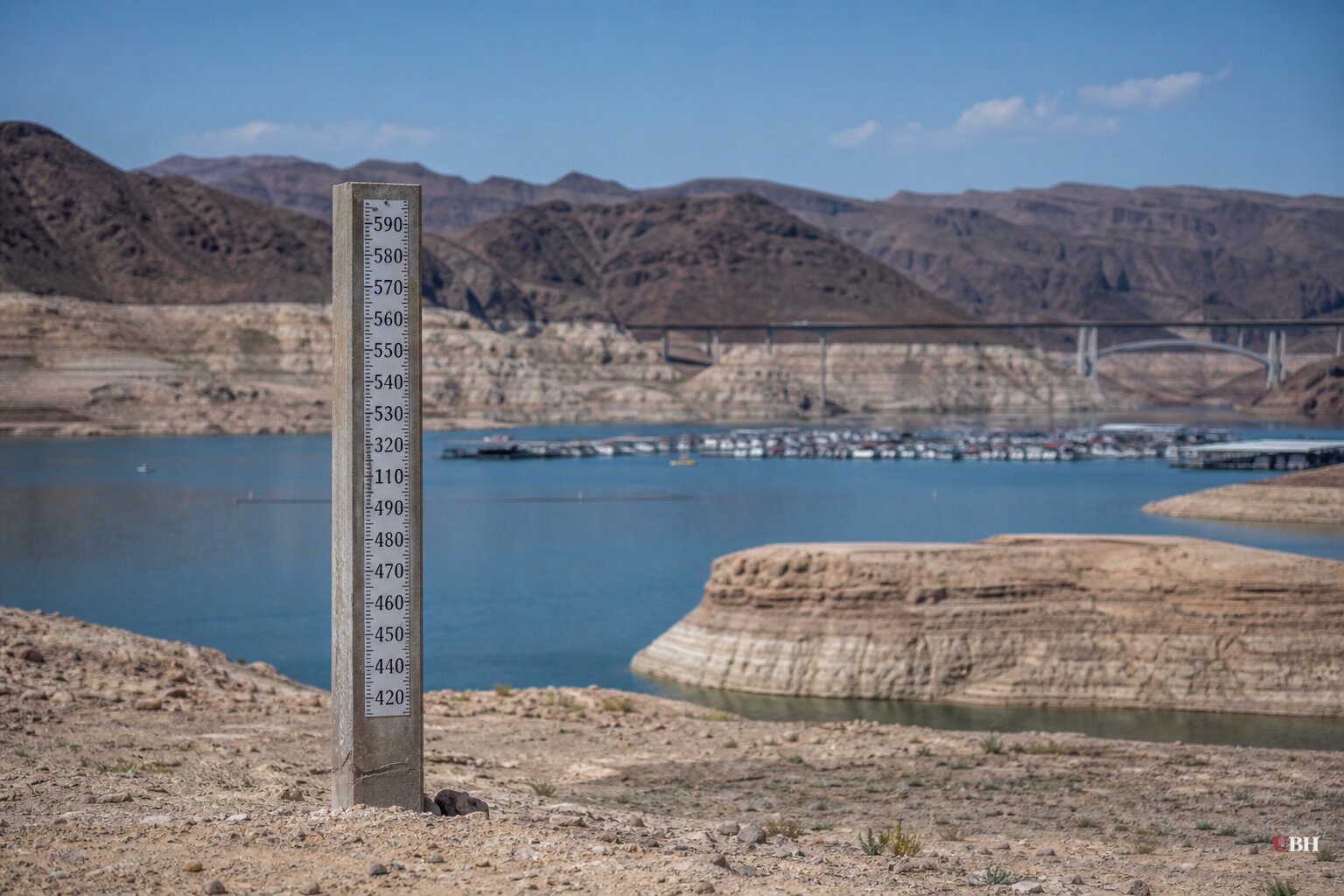
Nevada has taken the fight over the Colorado River to court. Nevada sued the Interior Department and the U.S. Bureau of Reclamation, arguing that planned reductions of up to 70% of its river allocation over the next decade would leave basic needs in the Las Vegas region unmet, according to the Associated Press. The Bureau of Reclamation said Thursday it does not comment on pending litigation.
The lawsuit lands as the river's two biggest storage buffers hit new lows. Lake Mead and Lake Powell, the largest reservoirs in the country and the main barometers of the Colorado River system's health, both recorded record-low levels this month, according to the Associated Press. Eight other Bureau of Reclamation reservoirs, including Elephant Butte Lake in New Mexico, the Green Mountain Reservoir in Colorado, and the Guernsey Reservoir in Wyoming, recently hit their lowest levels in at least 30 years.
Under the federal plan driving Nevada's lawsuit, California, Nevada, and Arizona are set to collectively cut water use by 1.25 million acre-feet a year over the next two years, with the possibility of steeper cuts depending on conditions, the AP reported. That's roughly enough water to fill 600,000 Olympic-sized swimming pools. Colorado, Utah, Wyoming, and New Mexico face no mandatory cuts for now, though they could volunteer reductions.
The river supplies 40 million people across seven states, tribal nations, and Mexico. Tom Buschatzke, director of the Arizona Department of Water Resources, told the AP the uncertainty from the plan "is going to continue to build in the wrong direction." A record snow drought has left far less snowpack to recharge the reservoirs, aquifers, and rivers the region depends on, and while El Niño could bring heavier moisture to the northern Rockies and Southwest in coming months, it won't undo decades of drought, per the AP.
Small towns already feeling it
Cave Creek, Arizona, a desert town of about 5,000 people on the edge of Phoenix, gets nearly all its water from the Colorado River. Mayor Robert Morris told the AP the town has already capped growth, revived old wells, and struck new water deals, and it was forced into cuts this year. He compared the situation to bracing for a meteor strike: "You can see it coming, but you can't get out of the way and you don't know what the damage is going to be."
Phoenix itself could lose municipal and industrial water allocations for the first time and would have to lean on backup supplies. Farmers across the basin are weighing which crops are still worth planting, and residents in affected areas could see higher water bills.
The blame fight over California
Rep. Harriet Hageman, R-Wyo., told Fox News Digital that California's aging water infrastructure and "bloated bureaucracy" are pushing the state to lean harder on the Colorado River, straining supply for everyone downstream. "When there are calls on the river and when there are demands that we reduce the amount of water that we are able to use in order to meet a demand downstream, that isn't fair," Hageman said. She argued California's water priorities have hollowed out its agriculture sector and warned that shrinking domestic food production is a national security risk, since "food independence is a national security issue."
California is the country's top agricultural producer, according to Fox News, and if farmland goes fallow because water gets redirected to cities, that has consequences for food supply well beyond state lines.
The same Fox News report, however, notes data that contradicts Hageman's central claim. California's use of the Colorado River has fallen to its lowest level since 1949. State officials also told Fox News that supply improvements have connected 1 million more Californians to clean drinking water and added 2.9 billion gallons of water to the state's supply this past fall. Those numbers don't resolve the broader argument over whether California's infrastructure investment has kept pace with its population, but they're direct evidence against the specific claim that California isn't reducing its river draw. Fox News included both the accusation and the contradicting data in the same piece without reconciling them for readers.
None of this settles who ultimately absorbs the deepest cuts. The current federal guidelines governing Colorado River operations expire in 2027, and the interim reductions now being litigated by Nevada are meant to bridge the gap until a longer-term deal or a court decides how seven states and Mexico split a shrinking river. Whether Nevada's lawsuit slows that process and what happens to Las Vegas-area water bills and building permits if it doesn't remain unresolved.
Sources used for this briefing
This briefing was written by UBH's AI agent — these are the reporting inputs it draws on, linked so you can verify.


