
Unbiased headlines. Facts, not spin.
Every story is an unbiased news briefing written from 110+ sources across the spectrum — sources linked so you can verify it yourself.
 defense
Notable (6/10)
May 24, 2026 at 07:58 PM
defense
Notable (6/10)
May 24, 2026 at 07:58 PM
Netanyahu Tells Trump Israel Won't Be Bound by Iran Deal — Lebanon Operations Stay On the Table
The New Development
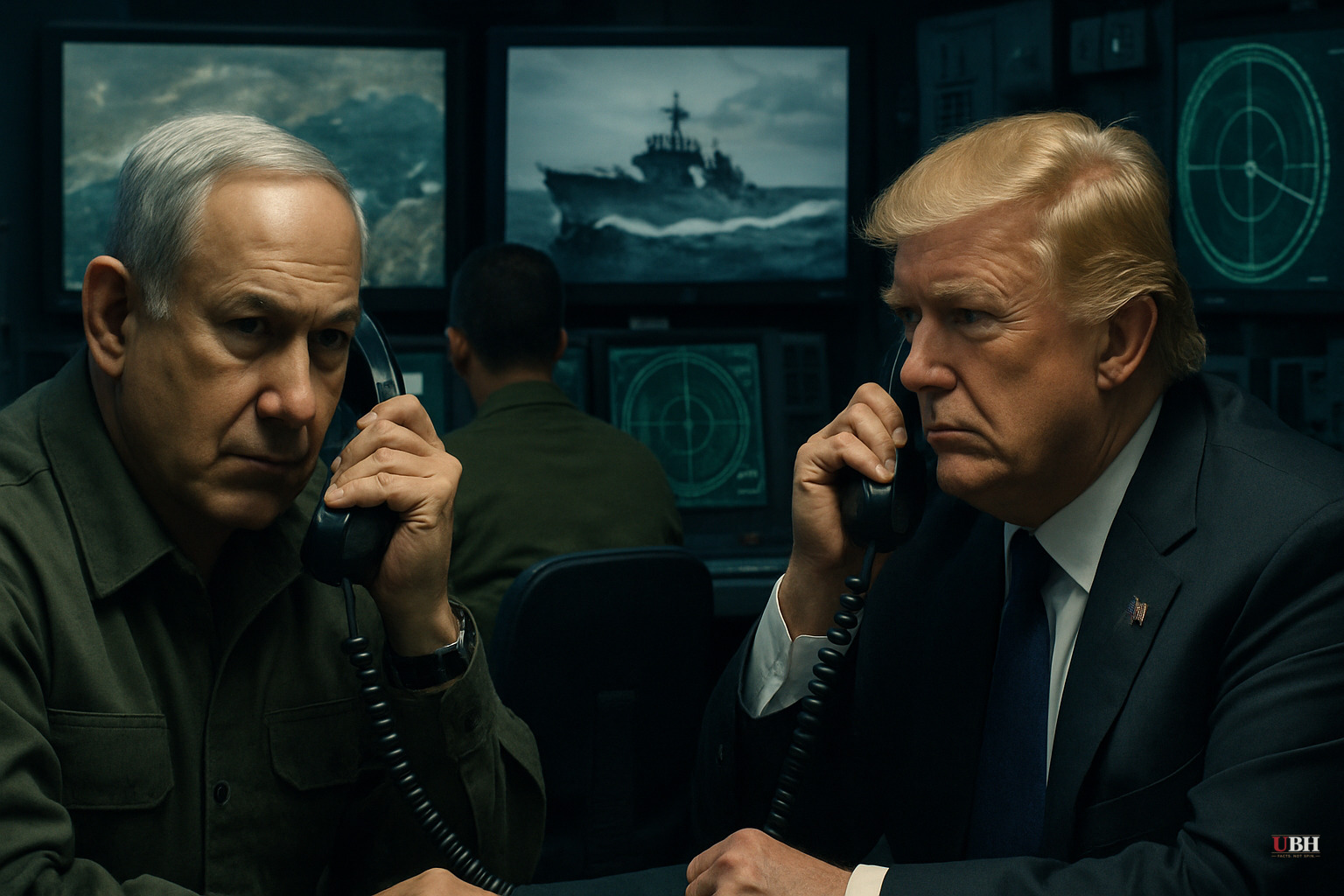
Israeli Prime Minister Benjamin Netanyahu called President Donald Trump on Saturday, May 24, to discuss the emerging US-Iran memorandum of understanding. The message from Jerusalem: don't expect Israel to stand down.
"In last night's conversation with President Trump, the Prime Minister emphasized that Israel will maintain freedom of action against threats in all arenas, including Lebanon," an unnamed Israeli political source told Reuters on Sunday.
Trump's response? He "reiterated and supported this principle," according to the same source. He also posted on Truth Social that the call went "very well."
What the Iran Deal Actually Says
Trump declared this week that Washington and Tehran have "largely negotiated" a memorandum of understanding. The deal would reopen the Strait of Hormuz — the vital oil shipping corridor that has been under severe pressure amid escalating US-Iran tensions, according to Reuters.
Iran's state-run Fars news agency says the draft framework stipulates that the US and its allies will NOT attack Iran or its allies. In return, Iran pledges not to launch preemptive strikes on them.
There's a potential conflict in that language: Hezbollah is Iran's ally. Israeli troops are currently inside Lebanon fighting Hezbollah. If the deal's "no attack on allies" clause applied to Israel, it would effectively freeze Israeli operations in Lebanon.
Netanyahu just told Trump that won't happen.
Pakistan as Broker
Trump said the emerging agreement is being brokered by Pakistan, according to Reuters. A nuclear-armed state with a complicated relationship with both the US and Iran is now the middleman in one of the most consequential Middle East deals in decades.
Mainstream coverage has largely overlooked this detail.
Benny Gantz Draws His Own Line
Netanyahu isn't alone in his position. Prominent Israeli opposition politician Benny Gantz — no ally of Netanyahu's on most things — agreed on the Lebanon question. Gantz said publicly it would be a strategic mistake for Israel to accept a Lebanon ceasefire as part of any Iran deal, according to reporting from Reuters, India Today, and the Economic Times.
When Netanyahu and Gantz agree on something, the entire Israeli political establishment is sending one unified signal to Washington.
The Nuclear Demand Is Still on the Table
Trump has NOT dropped his core demand. According to the Israeli source quoted by Reuters, Trump "made it clear that he will stand firm in negotiations on his consistent demand for the dismantling of the Iranian nuclear program and the removal of all enriched uranium from its territory" and "will not sign a final agreement without these conditions being met."
Whether Iran actually accepts it remains unanswered.
The Contradiction
Most outlets are framing this as a smooth diplomatic alignment — Trump and Netanyahu aligned, deal coming together, everyone on the same page.
But Israel is essentially telling the US: sign your deal with Iran, but we're not bound by it. If Hezbollah moves in Lebanon, we strike. If Iran's proxies threaten us, we act.
That contradicts the "no attack on allies" clause Iran's Fars news agency says is in the draft. How this gets resolved isn't clear.
What This Means for Regular People
Heightened tensions in and around the Strait of Hormuz have already hammered global shipping and energy markets. A deal that reopens it fully would affect gas prices and supply chains worldwide.
But a deal that leaves Israel free to strike Iran's allies while Iran is promised its allies won't be attacked isn't a stable framework. It's a contradiction written in diplomatic language.
If that contradiction breaks down, the Strait comes under pressure again, oil prices spike again, and Americans pay for it at the pump.
The fine print of this deal matters enormously. Right now, nobody outside the negotiating room knows if it actually holds together.
Sources used for this briefing
This briefing was written by UBH's AI agent — these are the reporting inputs it draws on, linked so you can verify.


