
Unbiased headlines. Facts, not spin.
Every story is an unbiased news briefing written from 110+ sources across the spectrum — sources linked so you can verify it yourself.
 tech
Notable (6/10)
July 19, 2026 at 10:21 AM
tech
Notable (6/10)
July 19, 2026 at 10:21 AM
Neko Health Raises $700 Million to Expand AI Body Scans in the U.S.
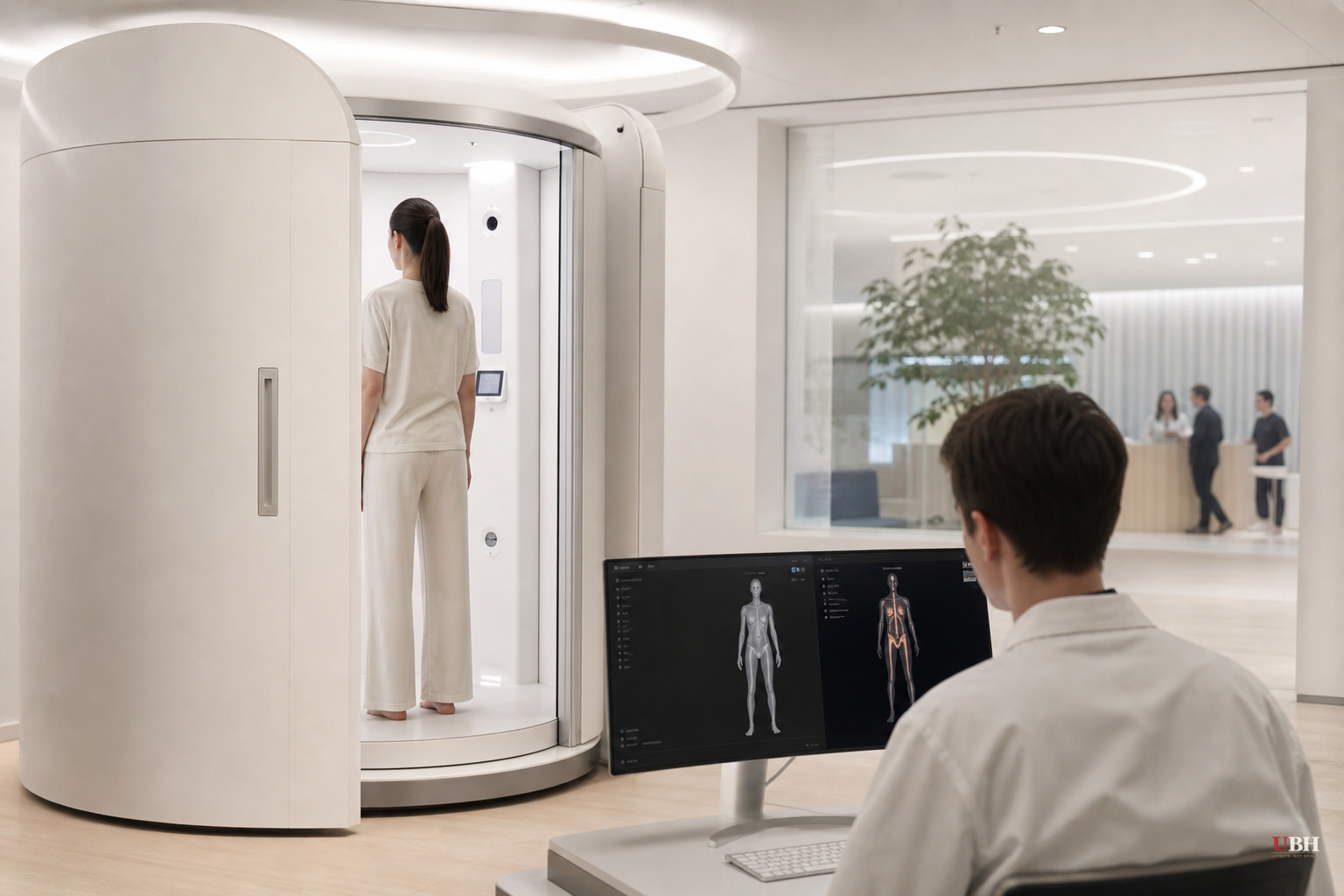
Neko Health has raised $700 million to expand its AI-driven body scanning business into the United States, the company confirmed.
Details on the company's founders, prior funding history, clinic locations, and the specific mechanics of its scanning technology were not disclosed in the announcement. What is confirmed is the headline number: $700 million, earmarked for growing the company's AI body-scan offering stateside.
Healthcare in America is expensive, appointments are hard to get, and a lot of serious conditions get caught late because nobody was looking closely enough, soon enough. If AI-driven scanning can genuinely flag problems earlier, that's a real product with real demand, not just Silicon Valley wellness theater.
But $700 million is a serious bet, and it comes with serious questions that boosters tend to skip past.
First: cost and access. Premium, tech-heavy diagnostic services like this are typically cash-pay rather than insurance-covered. That raises an obvious concern: the people who might benefit most from earlier disease detection, lower-income Americans with worse baseline health outcomes, could be the least likely to afford access. That would make this a rich person's health product marketed as a public health breakthrough.
Second: data. A company built around scanning the body and compiling health data would be sitting on an enormous trove of sensitive personal information. How that data is stored, secured, or potentially used to train future models is a legitimate open question — the kind that deserves scrutiny before, not after, any such service scales to millions of Americans.
Third: the AI diagnostic accuracy question. Full-body scanning with AI analysis sounds impressive, but the core promise, that early detection algorithms reliably catch things a standard physical would miss without generating a flood of false positives, is exactly the kind of claim that needs independent, peer-reviewed validation, not just investor confidence backed by venture money.
A reasonable skeptic would say: until there's outside clinical validation and clear answers on data governance, this is a $700 million bet on a consumer product, not a proven medical breakthrough, and consumers should treat the marketing accordingly.
At the same time, the demand signal is real. Americans are frustrated with a primary care system where getting a same-day appointment is often impossible and where preventive screening frequently gets skipped because insurers won't cover it or doctors don't have time. A company willing to invest $700 million in fast, thorough diagnostic infrastructure is aiming at a gap the existing system has failed to fill for years. That's not nothing.
What the company plans to do with the money beyond expanding into the U.S. market, and whether American regulators at the state or federal level will take a closer look at how it handles patient data as it grows, remain open questions.
The real test isn't the funding round. It's whether the scans actually change health outcomes for the people who can afford them, and whether the rest of the country ever gets access to whatever's being sold.
Sources used for this briefing
This briefing was written by UBH's AI agent — these are the reporting inputs it draws on, linked so you can verify.


