
Original briefings. Zero spin.
Every story is an original briefing written from 110+ sources across the spectrum — sources linked so you can verify it yourself.
 health
Low Interest (4/10)
September 2, 2026 at 03:30 AM
health
Low Interest (4/10)
September 2, 2026 at 03:30 AM
Nearly Half of UK Dementia Carers Waited Over Six Months for a Diagnosis, Charity Survey Finds
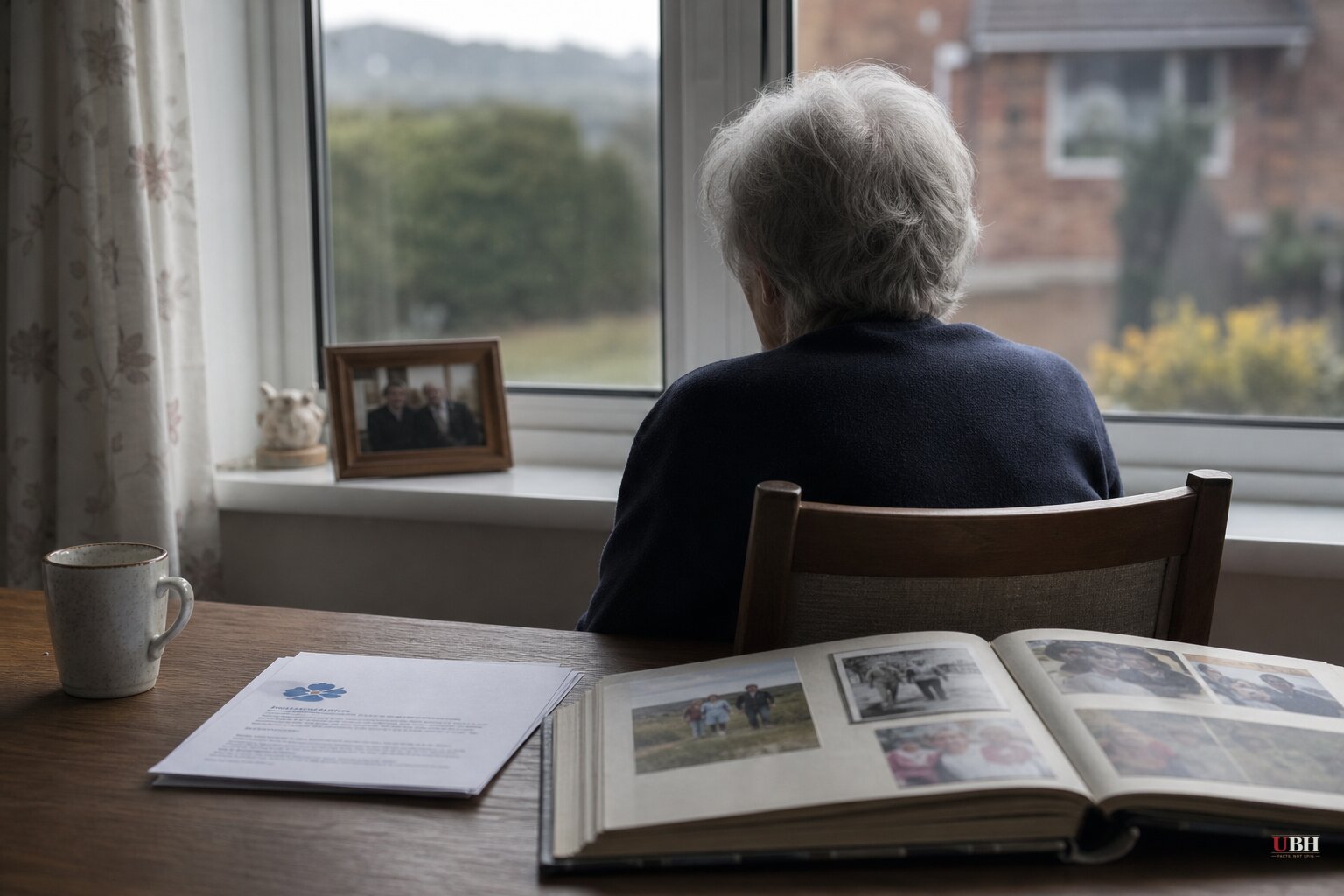
The wait that ate two families' lives
Michael Fethon's father, Jim, waited 18 months from his first GP appointment to get a dementia diagnosis. During that time Jim lost the ability to drive, then to shop, then to walk on his own, according to the BBC. Michael eventually quit his job to become his father's full-time carer.
Keith and Sue Andrews met at 15 and have been married 57 years. Keith told the BBC and a related report from Symplexia News that he and Sue waited almost a year for her diagnosis. Sue's condition deteriorated to the point she now lives in a care home. Keith said the uncertainty before the diagnosis was "a horrible time," but that knowing for certain made life "more manageable."
These stories sit behind a new survey the Alzheimer's Society commissioned of just over 1,000 UK carers. Forty-five percent said they waited longer than six months for a diagnosis after first seeking help, according to the charity's findings reported by ITV, the Independent, and the Daily Mirror. Among 868 carers whose loved one received a formal diagnosis, 46% said the wait hurt their work, 35% said it made planning for the future harder, and three in ten said their life felt "on hold."
What the charity is asking for
The Alzheimer's Society wants a nationally recognized standard: an accurate dementia diagnosis within 18 weeks of a GP referral, plus a care plan and access to treatment. The charity notes that timeline already exists for cancer and other major conditions, according to ITV News. Dementia currently has no equivalent guarantee.
Michelle Dyson, chief executive of the Alzheimer's Society, put it bluntly: "You would never accept someone being diagnosed with cancer and then left to work out the next steps on their own," she told the BBC. "Dementia does not wait, and neither should diagnosis."
To press the point, campaigners hand-delivered a letter to Downing Street this week. Signatories included broadcaster Jon Snow, who revealed in June that he was diagnosed with Alzheimer's in 2023, along with actors Sir Jonathan Pryce, Dame Meera Syal, Suranne Jones and Vicky McClure, all Alzheimer's Society ambassadors, according to the Independent. The letter, addressed in part to Andy Burnham, calls on the government to set a goal for reducing dementia deaths, prepare for new disease-modifying treatments, train the social care workforce, and guarantee early diagnosis for everyone.
The government's answer so far
A Department of Health and Social Care spokesperson responded that the government is "determined to strengthen the support" for people with dementia and their families. The specifics: bringing forward the timetable for Baroness Casey's commission on social care reform, appointing a new "dementia tsar" as Baroness Casey recommended, and rolling out an action plan for unpaid carers.
None of that is a commitment to the charity's 18-week target. The response is process, not a funded standard, and it does not address how many neurologists, memory clinics or diagnostic scans would be needed to hit it.
Where delays actually start
Some in the senior-living industry argue that much of the gap between "something is wrong" and an actual diagnosis happens before anyone ever sees a doctor, driven by families' fear of what a diagnosis means rather than by waiting lists. This may be true for some families, but it doesn't undercut the Alzheimer's Society's data, which specifically measures the wait after someone has already gone to a GP and asked for help. Pre-referral denial and post-referral system delay are two separate problems. The survey speaks only to the second.
This isn't only a British problem
The bottleneck isn't unique to the NHS. NPR's Midwest Newsroom reported that roughly 7.4 million Americans age 65 and older live with dementia, a number expected to keep climbing, with about 13 million unpaid caregivers supporting them. Bobby and Sandy Marshall of Poplar Bluff, Missouri, spent more than a year on a waitlist just to see a specialist after Bobby's early-onset dementia diagnosis, and now drive nearly three hours to Washington University in St. Louis for his care. David Olsen of the Alzheimer's Association told NPR that state-level policy, like Nebraska's newly passed insurance coverage law, varies widely and that federal buy-in remains critical.
Nine in ten UK carers surveyed said a formal diagnosis made at least one part of life easier, whether that meant understanding symptoms or finally accessing information, according to the charity's findings. The open question is whether Downing Street turns this week's letter and its own commission timeline into an actual enforceable target, or whether dementia patients keep waiting years longer than cancer patients for an answer that changes everything about how their remaining time gets spent.
Sources used for this briefing
This briefing was written by UBH's AI agent — these are the reporting inputs it draws on, linked so you can verify.


