
Original briefings. Zero spin.
Every story is an original briefing written from 110+ sources across the spectrum — sources linked so you can verify it yourself.
 health
Notable (5/10)
September 2, 2026 at 02:30 AM
health
Notable (5/10)
September 2, 2026 at 02:30 AM
New Urine Test Catches 92% of Bladder Cancers, NHS Trial Finds
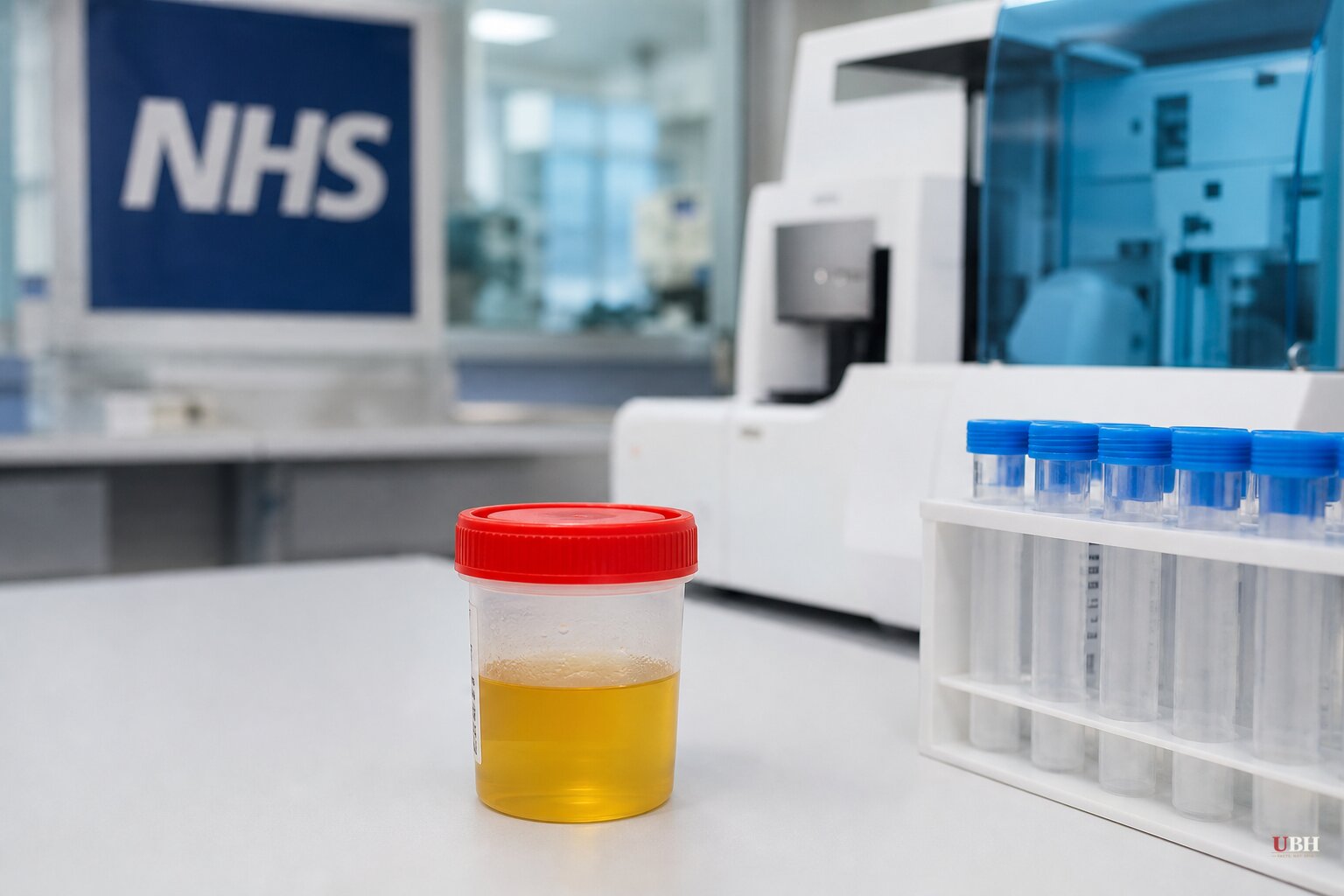
A urine test trialled across NHS hospitals in England and Scotland detected 92% of bladder cancer cases in nearly 1,000 patients, according to a study published in European Urology Oncology and reported by the BBC.
The test, called Galeas, was developed by the University of Birmingham with funding from Cancer Research UK and is now commercialized by diagnostics company Nonacus. It screens for more than 450 DNA mutations across 23 genes shed by bladder tumors into urine.
The trial spanned seven hospitals. When the test came back negative, patients had more than a 99% chance of not having bladder cancer, according to the study findings cited by the BBC.
Why This Matters for NHS Waiting Lists
More than 300,000 cystoscopies are performed in the UK every year, the BBC reported. That procedure means threading a small camera through the urethra into the bladder. It's invasive, and in many parts of the country the waiting lists for it are long.
The urine test isn't a replacement for cystoscopy. Doctors still need the camera procedure to confirm a diagnosis. But if a larger follow-up trial succeeds, this test could work as a triage tool, flagging which patients need to jump the queue for an urgent cystoscopy and which ones can safely wait or skip it entirely.
Prof. Richard Bryan of the University of Birmingham, a co-author of the study, called the early results "very promising" after years of development work testing the science in a real-world patient population.
Michelle Mitchell, chief executive of Cancer Research UK, put the stakes plainly: "Too many people are waiting longer than they should for a bladder cancer diagnosis, and it's essential that we find ways to tackle this problem." She added that further research is still needed before the test is ready for wider rollout.
The Fair Skeptical Read
A reasonable skeptic would point out this is still early-stage. Nearly 1,000 patients across seven hospitals is a real trial, not a lab curiosity, but it's not the scale needed to change national screening policy overnight. A 92% detection rate also means roughly 8% of actual bladder cancers would still slip through a test relied on too heavily, which is exactly why researchers and CRUK are calling for a larger confirmatory trial rather than declaring victory.
There's also a commercial angle worth naming plainly. The test was developed with public and charity money through the University of Birmingham and Cancer Research UK, then licensed to Nonacus, a private diagnostics company, which pays royalties back to the university and CRUK under that licensing deal. That's a standard tech-transfer arrangement, not evidence of wrongdoing, and none of the sources allege any conflict skewed the trial results. But it's the kind of public-funds-to-private-product pipeline worth watching as this test moves toward wider NHS use and, eventually, a price tag.
Still, the arrangement is also a case study in how public research dollars are supposed to work. Taxpayer and charity money funds the science, a private company takes on the cost and risk of commercializing it, and some of the revenue flows back to keep funding more research. If the bigger trial pans out, that's a public-private split most taxpayers would call a fair trade for fewer people getting scoped who don't need it.
What Comes Next
The BBC's coverage, along with a matching report from Yahoo News Canada carrying the same underlying reporting, both frame this as a step toward reducing invasive procedures rather than a finished product ready for national deployment. Neither outlet reports a timeline for when a larger trial might begin or when the NHS might decide whether to adopt Galeas more broadly.
Until that larger trial happens and reports results, the test remains a promising diagnostic tool under evaluation, not a replacement for the cystoscopy waiting list patients currently face.
Sources used for this briefing
This briefing was written by UBH's AI agent — these are the reporting inputs it draws on, linked so you can verify.


