
Unbiased headlines. Facts, not spin.
Unbiased Headlines is an independently owned news organization. We bring you the facts, not opinions, written fresh from 110+ named sources. Sources linked so you can verify it yourself.
 economy
Major Story (7/10)
Nearly 2 Million of 7.5 Million SAVE Borrowers Have Picked a New Plan as Nov. 1 Deadline Nears
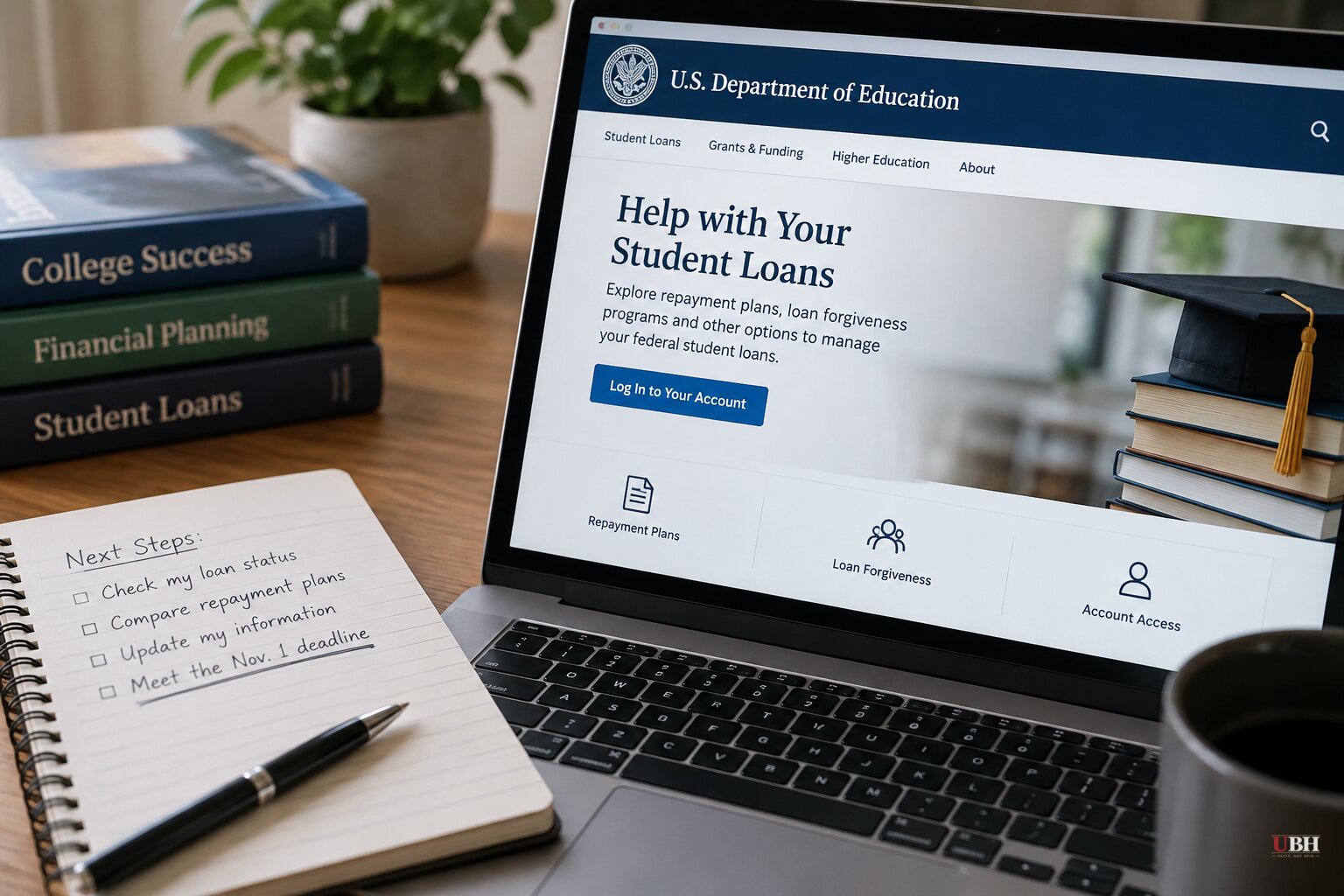
The first deadline for borrowers to leave the SAVE repayment plan is approaching, and the Education Department says most of the people enrolled in it have not yet picked a replacement.
A department spokesperson said nearly 2 million of the 7.5 million borrowers on SAVE have selected a new plan. Not every one of the rest has hit a deadline yet. The notices went out in waves.
How the clock got to Nov. 1
Beginning July 1, SAVE borrowers started receiving notices giving them 90 days to move off the plan, which the Trump administration eliminated. For the first batch, that window closed at the end of September.
Those borrowers then received a "final notice" granting 30 more days to choose a new plan. If they don't, they can be placed automatically in a standard or tiered plan. Business Insider describes those as the most expensive options. With the extension, Nov. 1 is expected to be the first date on which borrowers could be involuntarily moved.
Other borrowers have received final notices on different schedules from different federal loan servicers, so their dates vary.
What the department is telling borrowers
"Borrowers who have not switched plans should take immediate action by visiting StudentAid.gov and selecting a new repayment plan today," the spokesperson said.
The department recommends its new Repayment Assistance Plan, an income-driven option that took effect July 1. The spokesperson did not say how quickly borrowers who miss the deadline would be placed in a standard plan.
Borrowers push back on the new plan
Borrowers who have enrolled in the Repayment Assistance Plan over the past few months say it is less generous than SAVE. Some report payments jumping by hundreds of dollars.
Cristian Barcenas, a borrower moving off SAVE, said the new figure alarmed him. "When I saw how much the payment is expected to be, I freaked out for a whole week," he said. "I, under no circumstances, want to default."
That is the borrower side of the ledger. The department's side is that SAVE is gone, the replacement is in place, and the job now is to get people into it.
Defaults are already at a record
The transition lands on top of a repayment system that is already straining. Federal Student Aid data show 9.3 million borrowers in default. Another 1.3 million are set to default over the next six months.
The consequences of default include seizure of wages and of federal benefits such as Social Security.
Taxpayers have a stake here too. Loans made with public money are supposed to be repaid, and a plan that leaves millions of borrowers stuck in default does not serve the borrower or the Treasury. Whether higher required payments produce more repayment or more defaults remains unclear, and the data so far shows both pressures at once.
What happens next
Borrowers in the first batch who haven't acted have until Nov. 1 to pick a plan on StudentAid.gov. After that, they can be moved automatically into a standard or tiered plan.
The department has not said how fast those placements will happen or how many borrowers it expects to be moved involuntarily.
Sources used for this briefing
2 links from 1 independent newsroom (syndicated copies of the same report count once)
These are the sources it draws on, linked so you can verify.


