
Unbiased headlines. Facts, not spin.
Every story is an unbiased news briefing written from 110+ sources across the spectrum — sources linked so you can verify it yourself.
 economy
Notable (6/10)
August 3, 2026 at 10:32 AM
economy
Notable (6/10)
August 3, 2026 at 10:32 AM
MTA's 2027 Budget Deficit Nearly Doubles to $295 Million as Bus Fare Evasion Tops 48%
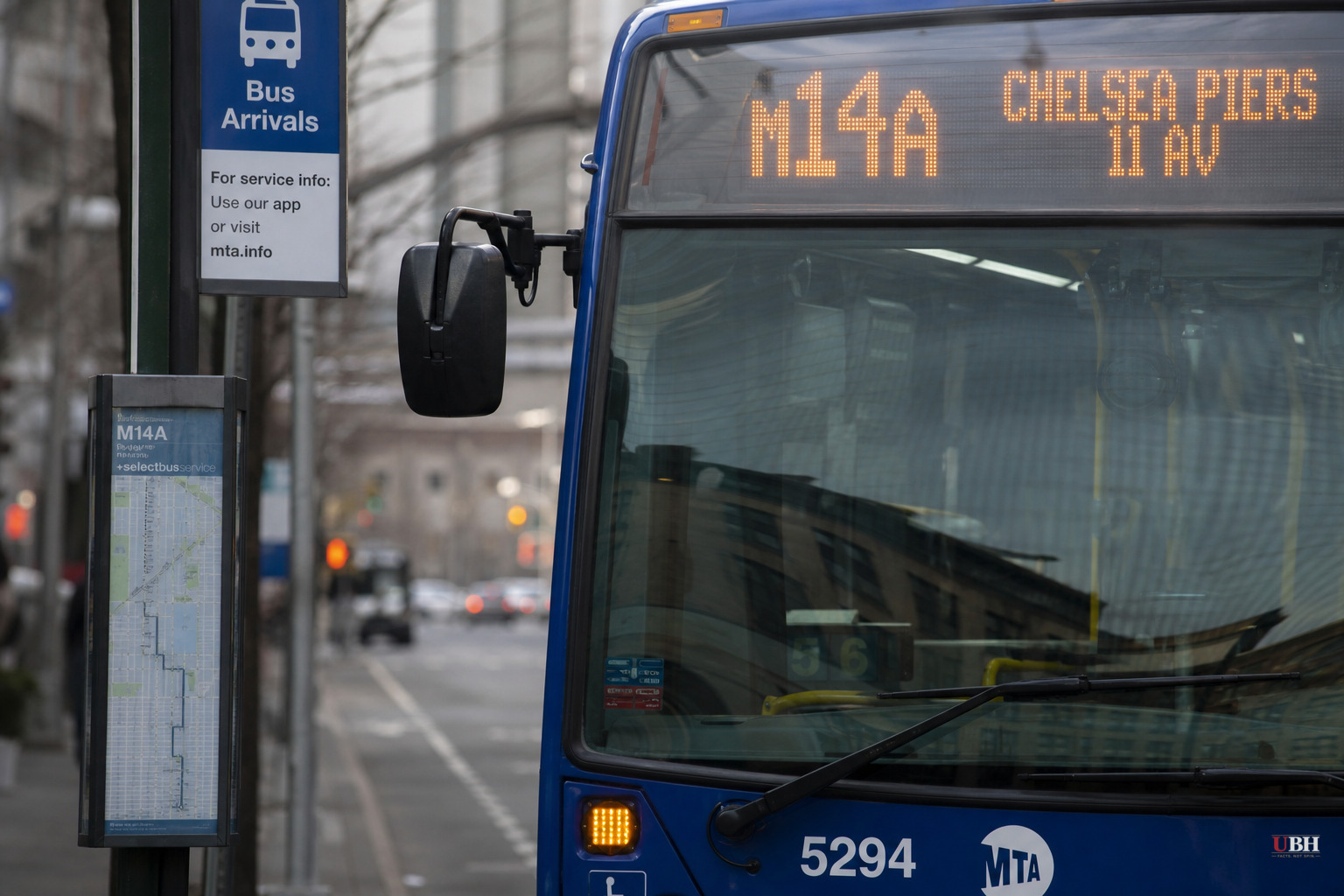
The MTA's 2027 budget deficit projection has nearly doubled since February, from $160 million to $295 million, according to the transit authority's own spending update released last week. By 2028, that gap is projected to top half a billion dollars. By 2030, it's expected to approach $900 million.
MTA chief executive Janno Lieber told reporters last week that bus fare evasion is a major driver of the near-term shortfall. More than 48% of bus riders currently aren't paying, according to Lieber, nearly five times the evasion rate on the subway. That's up from a downward trend: evasion had been falling from above 51% two years ago, before Mayor Zohran Mamdani won office last fall.
Lieber tied the reversal to Mamdani's push for fare-free buses. "All the talk of free buses, it does have an impact," Lieber said. "I'm not blaming anyone, I'm not telling anyone to shut up." NYPD tickets for bus theft-of-service are down 73% this year, even as the mayor has continued pressing the idea. In July, with Hochul and Lieber both present, Mamdani said the city will "continue not only to believe, but to work towards making our bus system free as well."
The data shows enforcement was working and evasion was declining before climbing again once a fare-free push became the dominant message riders were hearing from City Hall. Whether Mamdani's rhetoric alone explains a jump from 51%-and-falling to 48%-and-rising, or whether other factors are at play, isn't fully established in the numbers made public so far. The direction of the trend does line up with the political messaging.
Still, fare evasion is not what's driving most of the MTA's fiscal deterioration. The authority's overall 2027 budget is projected to run 13% higher than it was two years ago. Health benefits for workers and retirees are the single biggest driver, up 52% since 2019 to a projected $3 billion in 2027, according to MTA finance chief Jai Patel, who cited "structural cost pressures."
The bigger near-term risk sits with Governor Kathy Hochul, not the mayor. The MTA had been holding the line at 2% annual raises heading into labor talks with the Transport Workers Union, which represents subway and bus workers. That position weakened after Hochul's administration settled May's Long Island Rail Road strike with a 3.8% raise for the current year. The TWU is expected to push for a matching deal, a gap that could cost the authority nearly $200 million a year if it holds across the workforce.
At roughly the same time, Hochul expanded pension benefits for transit workers hired after the 2008 financial crisis, a group that had previously been required to contribute more and retire later. That expansion is expected to cost the MTA an additional $30 million annually, on top of the raise pressure from the LIRR settlement.
The MTA is not sitting still on revenue. Two 4% fare and toll hikes are already built into the financial plan over the next three years, and the Manhattan congestion-pricing toll is scheduled to rise from $9 to $12 in 2028. Even with those increases baked in, the extra revenue is expected to fall short of closing the gap.
The fare-evasion fight and the labor-cost fight are two different problems with two different owners. Mamdani controls the rhetoric around free buses and, as mayor, oversees the NYPD's enforcement posture on the system. But the MTA is a state authority. Its labor contracts, pension terms, and multi-year budget are ultimately negotiated and approved with Albany's involvement, meaning the raise precedent set by the LIRR settlement and the pension expansion trace back to decisions made under Hochul's administration, not City Hall's.
The open question is whether the TWU's ongoing contract talks land near the 2% the MTA wanted or closer to the 3.8% precedent set by the LIRR deal. That single number, multiplied across the subway and bus workforce, will determine the size of the MTA's 2028 deficit more than the outcome of the fare-evasion fight will.
Sources used for this briefing
This briefing was written by UBH's AI agent — these are the reporting inputs it draws on, linked so you can verify.


