
Unbiased headlines. Facts, not spin.
Every story is an unbiased news briefing written from 110+ sources across the spectrum — sources linked so you can verify it yourself.
 economy
Notable (5/10)
July 29, 2026 at 10:55 AM
economy
Notable (5/10)
July 29, 2026 at 10:55 AM
MTA Overtime Spending Hits $764 Million in Six Months, Already $176 Million Over Budget
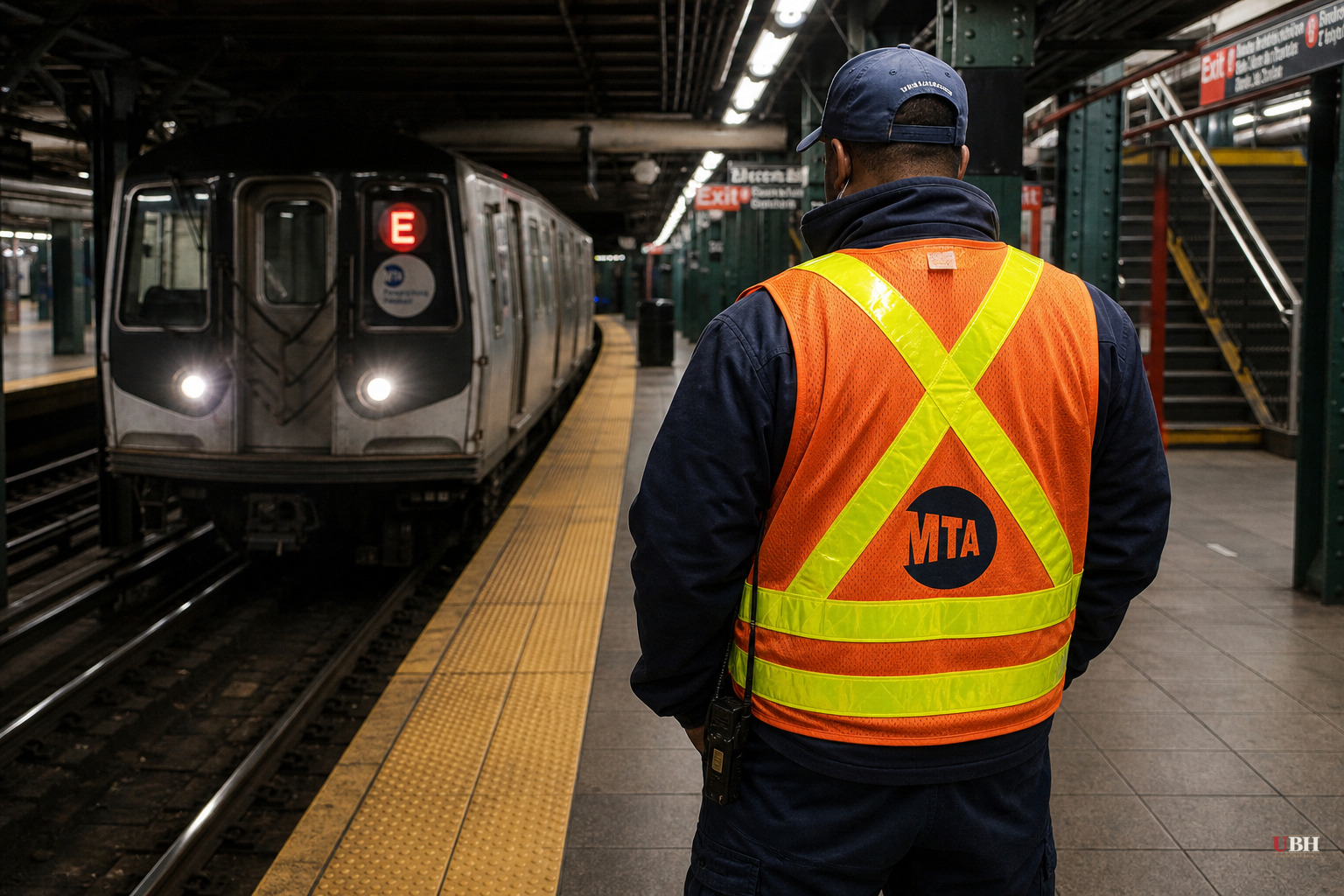
The Metropolitan Transportation Authority spent nearly $764 million on overtime during the first six months of 2026, according to finance documents presented at a committee meeting this week. That's already $176 million over budget, and the agency is on pace to top the overtime record of nearly $1.5 billion it set in 2025.
Overtime now makes up about 23% of MTA salaries through the first three months of the year, according to the documents reported by the New York Post. Nearly 1,000 MTA workers earned more from overtime than from their base pay last year.
The MTA blamed the spending on unfilled positions and the need for staffing backup. A spokesperson for the agency said overtime "can sometimes be more cost-effective than having a higher headcount, for example for responding to extreme weather events, but that's not always the case."
Storm response, track emergencies, and sudden service disruptions are real and unpredictable. Paying overtime for a short surge can beat carrying permanent headcount for rare events. But the numbers here don't look like emergency response. They look like a structural staffing gap the agency has chosen to paper over with overtime checks instead of hiring.
New York City Transit, an MTA subsidiary, saved $97 million on salaries because of unfilled jobs, then turned around and spent $141 million more than planned on overtime. The MTA had 2,868 unfilled positions as of the end of June, out of a total 2026 operating budget of $21.3 billion.
Zilvinas Silenas, president of the Empire Public Policy Center, called it "mismanagement to the highest degree." He told the Post he doesn't believe that in a city of 10 million people, the MTA can't find enough people to fill open jobs. That's a legitimate question for the agency to answer: is this a genuine labor shortage, a broken hiring pipeline, or a deliberate tradeoff where overtime is simply cheaper than the pension and benefit obligations tied to permanent hires?
The Individual Numbers
Luis Miranda, a lieutenant at Bridges and Tunnels, collected $89,560 in overtime in the first three months of 2026 alone, more than any other MTA employee, on top of $36,193 in regular pay. That put his total at $128,644 through March, and he's on pace to beat his 2025 earnings of $382,583, when he collected $219,064 in overtime.
John Anastasatos, a Bridges and Tunnels sergeant who works in the same unit as Miranda, earned $78,520 in overtime in the same three-month stretch, on top of $29,107 in base pay. Last year Anastasatos collected $304,167 in overtime, nearly two and a half times his $123,102 salary, for total earnings of $438,586.
At Bridges and Tunnels, the division running the city's tolled crossings, overtime has run at 50% of regular pay in the first three months of the year, the highest rate of any MTA division, according to state payroll records cited by the Post.
Stilwell Manriquez, a senior stationary engineer at New York City Transit, collected $79,695 in overtime in the first three months of 2026, already ahead of his 2025 pace. Last year his overtime hit $276,898, part of a $549,122 total that made him the highest-paid employee at the entire MTA, ahead of the agency's own chairman.
Neither Miranda nor Anastasatos responded to inquiries from the Post.
What's Unresolved
The MTA's defense that overtime beats hiring for storm response doesn't explain why the same handful of employees, working in the same units, are racking up hundreds of thousands of dollars in overtime year after year on a predictable, recurring basis. That pattern suggests routine scheduling decisions, not emergency staffing.
No audit or investigation into these specific pay patterns has been announced. The MTA has not said whether it plans to fill the nearly 2,900 open positions or continue relying on overtime to cover the gap. With six months left in the fiscal year and overtime already $176 million over budget, the agency's own finance documents suggest the final number could land well above last year's $1.5 billion record, a cost that ultimately falls on taxpayers and toll and fare payers who fund the MTA's $21.3 billion budget.
Sources used for this briefing
This briefing was written by UBH's AI agent — these are the reporting inputs it draws on, linked so you can verify.


