
Original briefings. Zero spin.
Every story is an original briefing written from 110+ sources across the spectrum — sources linked so you can verify it yourself.
 economy
Major Story (8/10)
September 9, 2026 at 11:48 PM
economy
Major Story (8/10)
September 9, 2026 at 11:48 PM
More Than 10 States Yank Data Center Tax Breaks as Backlash Hits Amazon, Meta and Google
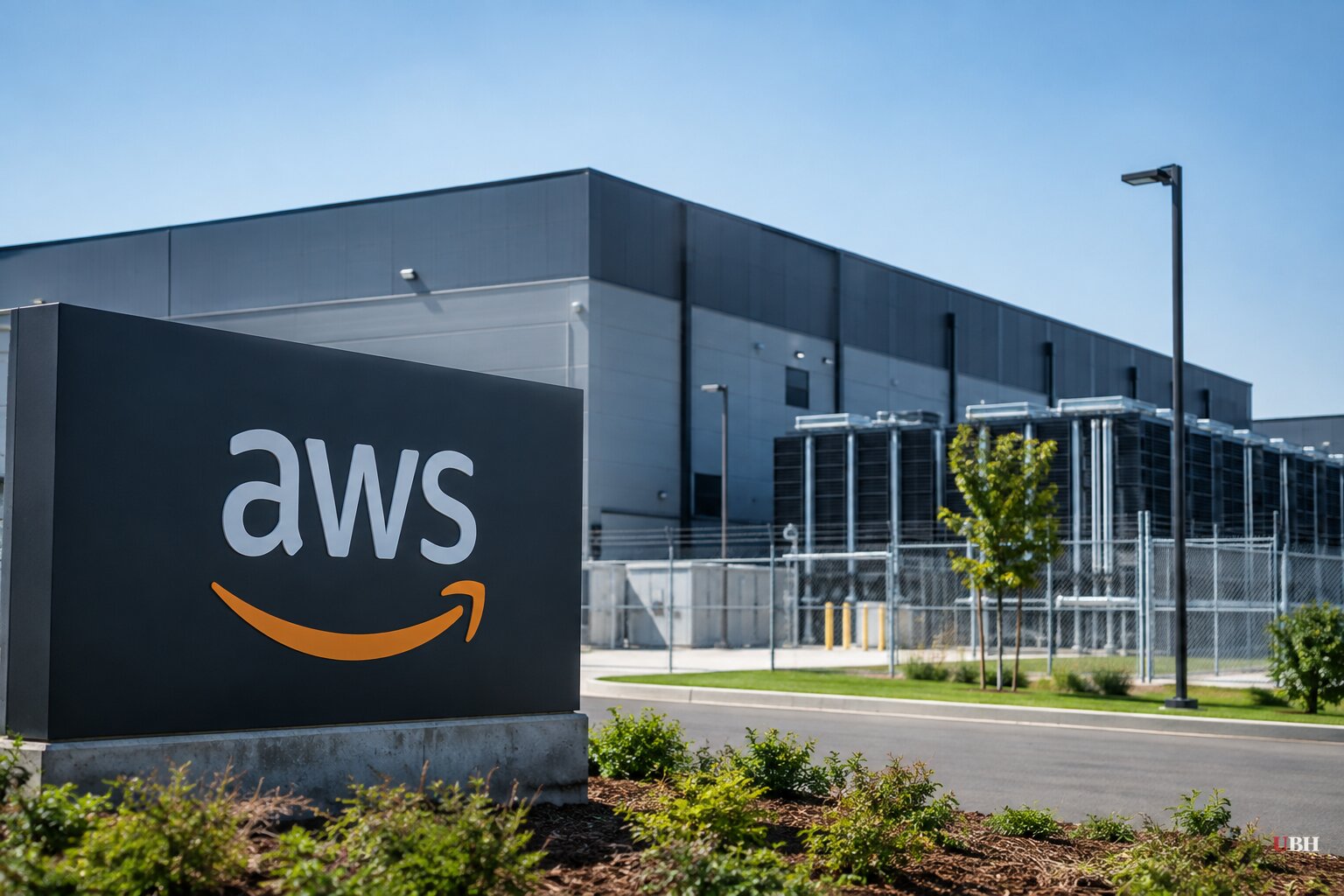
For over a decade, states threw tax breaks at Amazon, Meta and Google to land data centers, betting on jobs and investment. That bet is now getting reversed in statehouse after statehouse.
More than 10 states have paused or canceled data center tax exemptions, according to The Wall Street Journal. Illinois, New Jersey and Washington halted breaks outright. Maine fully repealed its incentive program. Massachusetts and Ohio governors paused theirs. Nebraska, Washington and North Carolina restricted or phased out exemptions, according to reporting summarized by AI Weekly.
Ohio is the clearest example of how fast this turned. Former Republican Gov. John Kasich handed Google, Meta and Amazon 40-year tax breaks more than a decade ago, according to Cleveland Scene. His successor, Republican Gov. Mike DeWine, kept extending them. Then the bill came due: Ohio's sales tax exemption for data center equipment cost more than $1.5 billion in 2025 alone, more than 10 times the state's original estimate, according to The Wall Street Journal. DeWine paused new applications for the exemption in May.
New Jersey moved even faster on its own program. Lawmakers made $500 million in tax credits available for data center projects, then eliminated the remaining $250 million in August, just two years after creating the incentive, according to the Journal. One project had already collected the first $250 million.
Virginia, still the country's biggest data center hub, kept its sales tax exemption in place but added something new: a temporary 1.1-cent-per-kilowatt-hour tax on data center electricity use that took effect July 1 and runs through July 2028, according to the International Business Times. The state projected roughly $1.94 billion in lost sales tax revenue from the exemption for fiscal year 2025 alone.
Pennsylvania went further than a tax fix. Democratic Gov. Josh Shapiro signed an executive order pulling AI data centers out of the state's fast-track permitting program, according to the International Business Times. Developers now have to secure local approval before state environmental regulators will even review a permit, pay for their own electricity generation and grid upgrades instead of passing those costs to other ratepayers, and meet water-use and local-hiring requirements. Nondisclosure agreements for proposed projects are banned outright.
At least 375 data center-related bills had been introduced across state legislatures through July 15, more than the total from the previous three years combined, according to a Washington Post analysis cited by the International Business Times. Roughly three-quarters of those bills sought to restrict the facilities. In 2023, the opposite was true: about 57% of tracked bills sought to encourage data center development through incentives.
Why the mood flipped
Residents are angry about power and water, not ideology. Nationwide average wholesale electricity prices climbed between 2% and 6% because of data center demand, and the facilities were the leading factor behind U.S. electricity consumption hitting a record high in 2025, according to Quartz. Bureau of Labor Statistics data cited by Quartz shows electricity costs for Americans are up more than 35% compared with five years ago.
A Gallup poll from March found about 70% of Americans oppose having data centers built in their communities, with nearly half saying their opposition is strong, per Quartz. A Wolfe Research report documented 60-point drops in net local support for data center construction across party lines over the past year.
That backlash has real fiscal-responsibility merit behind it. Ohio Democratic state Rep. Tristan Rader argued the companies getting these breaks are trillion-dollar operations that don't need public subsidies to build, telling BigGo Finance they have "more money than God." Data centers also generate relatively few permanent jobs once construction ends, according to Cleveland Scene, which undercuts the original economic-development pitch behind decades-long tax deals.
Tech companies push back with their own numbers. Amazon says it has invested $19.7 billion in Ohio AI and cloud infrastructure, supports more than 6,400 full-time-equivalent jobs annually, and paid $9.2 million in Ohio property taxes and fees in 2024, according to the Daily Caller. In March, Amazon, Google, Meta, Microsoft, OpenAI, Oracle and xAI signed the Trump administration's Ratepayer Protection Pledge, committing to build or buy the extra electricity their data centers need and pay for their own grid upgrades, per the International Business Times.
The politics are getting ugly for the GOP
Republican Sen. Bernie Moreno of Ohio warned companies and states to drop the subsidies voluntarily "or the feds will tax them down to nothing," according to Cleveland Scene. His Republican colleague Jon Husted, appointed to fill JD Vance's Senate seat and now in a tight special election against Democrat Sherrod Brown, has taken a softer line, touting a "ratepayer-protection plan" but declining to take questions from reporters after a recent energy summit in Columbus. The National Republican Senatorial Committee warned in an Aug. 18 memo that if data centers cost Husted the race, "politicians across the country will take notice and they will not go near the next one."
President Trump has stayed firmly pro-buildout, writing on Truth Social that resistance to data centers only benefits China in the AI race and telling a crowd Friday that a data center makes a town rich and its residents' homes more valuable, according to the Daily Signal. Vice President JD Vance has tried to split the difference, telling reporters the problem isn't the data centers themselves but the utility bills: "If you build the data center you should be putting power back into the grid, not taking it out." Quartz reported that some informal Trump advisers have privately worried his enthusiasm for the buildout risks making him look indifferent to voters' rising bills.
None of the sources report any federal legislation from Moreno or anyone else that would actually tax data center operators at the federal level. Whether that threat becomes a bill, and whether Husted survives the November special election with data centers as a defining issue, are the two open questions hanging over this fight.
Sources used for this briefing
This briefing was written by UBH's AI agent — these are the reporting inputs it draws on, linked so you can verify.


