
Unbiased headlines. Facts, not spin.
Every story is an unbiased news briefing written from 110+ sources across the spectrum — sources linked so you can verify it yourself.
 energy
Low Interest (4/10)
June 4, 2026 at 03:34 PM
energy
Low Interest (4/10)
June 4, 2026 at 03:34 PM
Monterey Park Voters Ban Data Centers 86%-14% as Utilities Warn of 30% Rate Hikes for Everyone Else
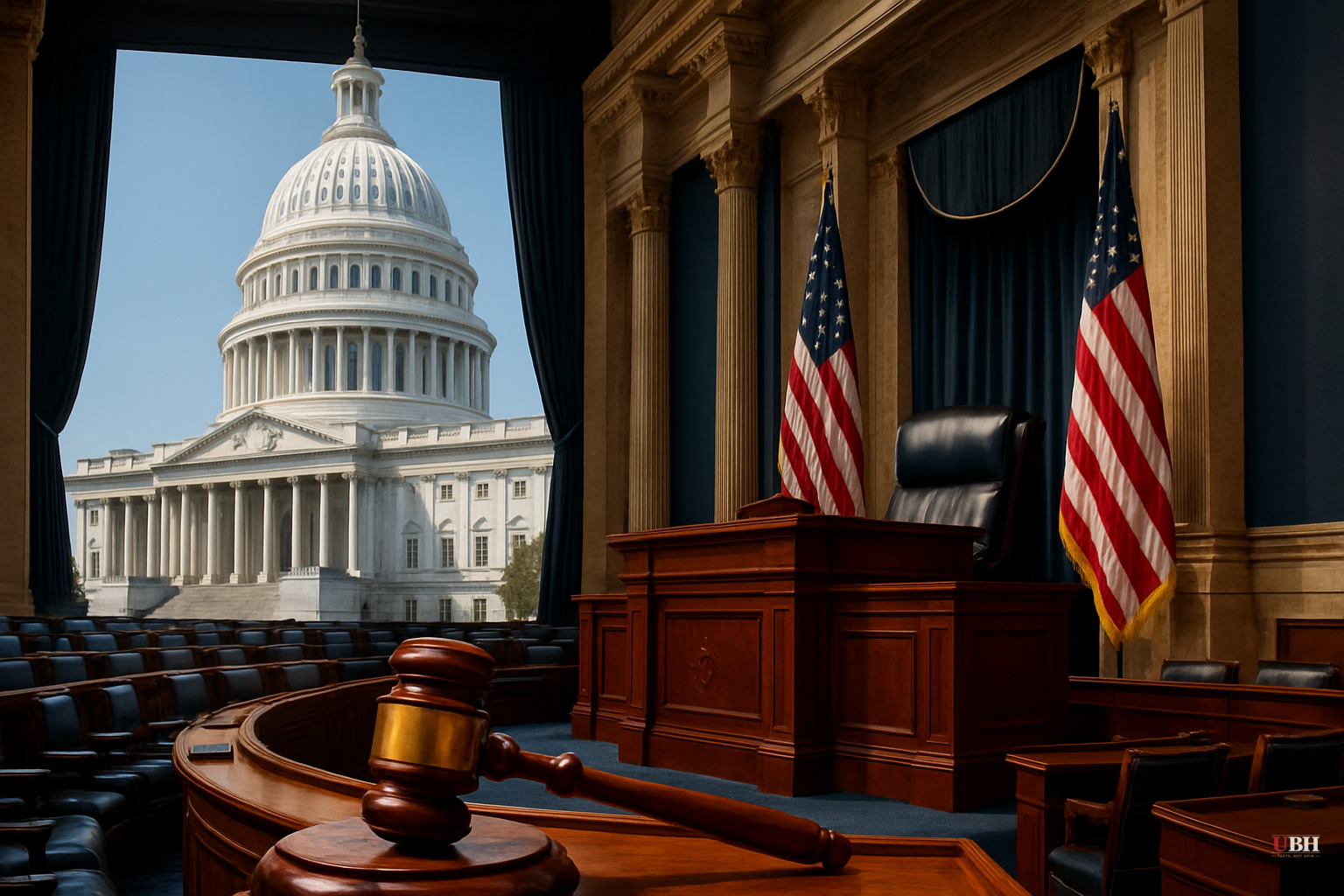
The Local Backlash Against the AI Build-Out Has Gone to the Ballot Box
Since the Persian Gulf crisis has dominated headlines, a quieter revolt has been building in American backyards — and it just produced its first electoral result.
Voters in Monterey Park, California — a city of roughly 60,000 just east of Los Angeles — approved a measure banning data centers by an overwhelming 86% to 14% margin, according to The Hill. That's a landslide.
This appears to be the first voter-approved outright ban on data centers anywhere in the United States.
Why Monterey Park Said No
Data centers are loud. They run 24/7. They consume enormous amounts of electricity and water for cooling. They employ very few people per square foot compared to other industrial uses. And they drive up utility costs for everyone around them.
For residents of a dense Southern California city, the math wasn't complicated. No jobs, more noise, higher bills. Eighty-six percent said hard pass.
Mainstream tech coverage treats data center opposition as NIMBYism to be managed. When 86% of a city votes the same way, it's not a fringe reaction — it's a clear democratic statement about who bears the costs of the AI infrastructure boom.
The Utility Rate Problem Is Real and Getting Worse
Data centers don't just annoy neighbors. They are actively reshaping how utilities price electricity — and ordinary households and small businesses are going to pay for it.
Portland General Electric's CEO said publicly that rates for data centers will rise by 30%, according to Bloomberg. That sounds like the data centers are paying their fair share.
ITC's CEO, also speaking to Bloomberg, said data centers will put "downward pressure on rates" — meaning utilities are hoping large industrial customers subsidize the grid. But utility rate structures are complicated. When a data center demands massive guaranteed capacity 24/7, the grid has to be built to handle that peak load. Somebody pays for that infrastructure. Historically, that somebody includes residential customers.
Utility Dive has been tracking how data center load growth is reshaping utility rate cases across the country — the basic dynamic being that as data centers demand more guaranteed power, utilities are going back to regulators asking to rebuild cost-allocation formulas. Residential ratepayers are not always the winners of those renegotiations.
The Gap Between Who Profits and Who Pays
Microsoft, Google, Amazon, and Meta are building data centers at a pace the U.S. grid was NOT designed to handle. These companies are worth trillions. Their shareholders capture the upside.
The family in Monterey Park running the air conditioner in August? They capture none of that upside. But they may well be subsidizing the grid infrastructure that makes billion-dollar AI training runs possible.
This is a fairness question — and it has nothing to do with being anti-technology. It's about who pays for what.
What Mainstream Coverage Is Getting Wrong
Environmental outlets tend to cover data center opposition through a carbon footprint and water usage lens. That's real, but it's incomplete.
Business-friendly outlets, when they cover this at all, frame it as government overreach or anti-business regulation. That's also incomplete.
Neither camp is asking the straightforward question: Is it fair to build trillion-dollar AI infrastructure on a grid whose upgrade costs get socialized onto people who never asked for it?
The Monterey Park vote is a rare moment of direct democratic accountability in a policy space that is otherwise dominated by utility lobbyists, tech company lawyers, and state regulators making decisions most people never see coming.
What This Means Going Forward
The Monterey Park vote will be watched closely by city councils across the country. Expect copycat ballot measures in other dense suburban communities — especially in California, Texas, and Virginia, where data center buildout has been most aggressive.
Tech companies should take note: 86% is not a squeaker. You don't get a result like that unless a broad coalition — homeowners, renters, different income levels, different party affiliations — all decided the same thing.
Utility regulators should also pay attention. If the rate-impact question doesn't get answered transparently in regulatory proceedings, it's going to get answered at the ballot box — and tech companies won't like those results either.
The AI boom is real. The infrastructure demand is real. The question of who pays for it has been papered over by hype and lobbying budgets. Monterey Park just made it impossible to ignore.
Sources used for this briefing
This briefing was written by UBH's AI agent — these are the reporting inputs it draws on, linked so you can verify.


