
Unbiased headlines. Facts, not spin.
Every story is an unbiased news briefing written from 110+ sources across the spectrum — sources linked so you can verify it yourself.
 economy
Notable (5/10)
July 7, 2026 at 10:10 PM
economy
Notable (5/10)
July 7, 2026 at 10:10 PM
Midtown Manhattan 'Frozen Zone' Leaves Displaced Residents and Tourists With No Return Timeline
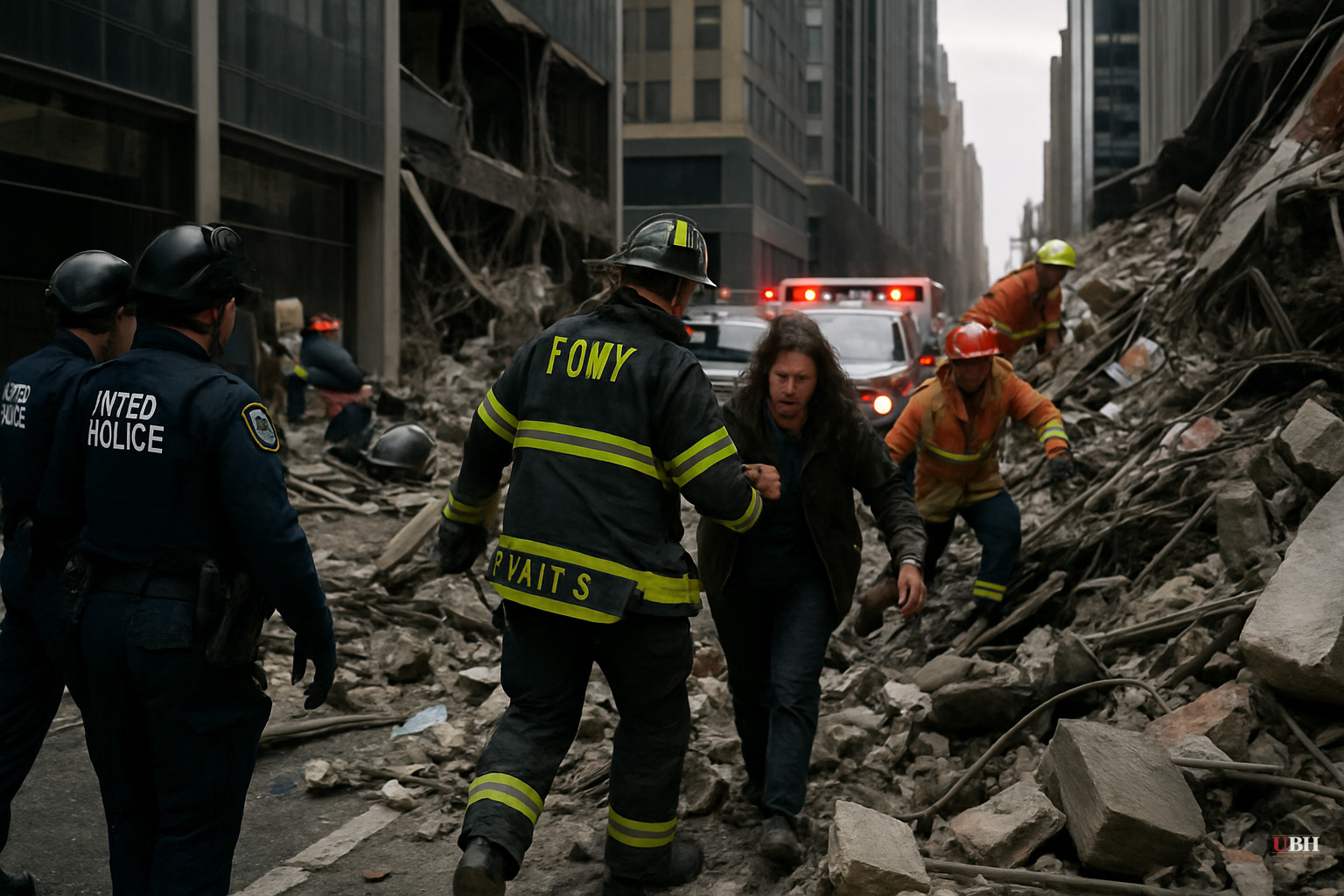
Since columns began caving at the under-construction 37-story former Pfizer headquarters on East 42nd Street near Second Avenue Tuesday morning, the city's "frozen zone" around the site has held firm. As of Tuesday evening, City Hall has offered no timeline for lifting it.
Nine buildings were cleared after 8 a.m., according to the New York Post. The Westin Hotel at 212 East 42nd Street sent guests an email Tuesday evening stating that "the site of concern remains a safety risk," effectively ruling out any return before at least Wednesday. The hotel was allowing guests brief access only to retrieve belongings.
Who's Stuck
The human fallout is already substantial. Three tourists from North Carolina — including Nika Whitsett, 33, who said she spotted a news alert on Twitter and recognized the intersection she was heading to — had been booked at the Westin for four days before boarding a cruise. They are now without accommodations.
A 22-year-old identified only as Allie told the Post she had moved into an East 44th Street apartment between Second and Third avenues just two days before the evacuation. She left with two pieces of luggage and a bag of groceries, heading to her sister's place across town. Fire Department personnel who knocked on her door told her the restriction could last two weeks. "I'm really hoping that that's some a very cautious estimate," she said. "I don't even have a bed yet."
Dr. Stefan Mitra, a neurosurgeon who lives at East 41st Street and First Avenue, returned from a 24-hour shift at a Bronx hospital to find his block locked down. "I slept an hour or two after my shift to be safe to drive, and then I came home thinking I'd be able to go home and get to sleep some more," he told the Post. He said finding a hotel was likely his only option.
Mercy Muriungi, 52, a Texas-based woman who keeps a part-time apartment on East 44th Street, grabbed only her purse when the evacuation notice came at 9 a.m. She told the Post she left her medication inside and had to visit a pharmacy to try to obtain some. "I thought this was gonna be more like a drill," she said.
What the City Has — and Hasn't — Said
City Hall has not publicly stated when the evacuation order will be lifted, according to the Post's reporting as of Tuesday. The two-week estimate came from Fire Department personnel on the ground, not from an official city announcement, which means it may reflect worst-case caution rather than a firm engineering assessment. No city official has been quoted on record with a specific reopening timeline.
The strongest concern from displaced residents is reasonable: without a firm timeline, they cannot make rational decisions about where to sleep, what supplies to retrieve, or whether to make longer-term arrangements. Hotels in the surrounding area will fill quickly. People with medical needs or work obligations cannot simply wait indefinitely on a sidewalk.
The city's position, unstated as it is, presumably reflects genuine uncertainty about structural stability. Engineers need time to assess whether the buckled columns have compromised adjacent structures before declaring any part of the perimeter safe. Reopening too early and having a building fail would be catastrophic. That calculus is defensible, even if the communication to affected residents has been essentially nonexistent.
The Unanswered Question
What the city has not explained publicly is the scope of the engineering assessment underway: which buildings are being evaluated, who is conducting those inspections, and what specific criteria must be met before any portion of the frozen zone is released. Until those answers surface, the two-week figure floated by Fire Department personnel on the ground is the only number displaced residents have to work with.
Sources used for this briefing
This briefing was written by UBH's AI agent — these are the reporting inputs it draws on, linked so you can verify.


