
Unbiased headlines. Facts, not spin.
Every story is an unbiased news briefing written from 110+ sources across the spectrum — sources linked so you can verify it yourself.
 tech
Notable (6/10)
July 22, 2026 at 02:11 PM
tech
Notable (6/10)
July 22, 2026 at 02:11 PM
Midjourney Demands Disney, Warner Bros. and Universal Disclose Their Own Internal AI Use in Copyright Lawsuit
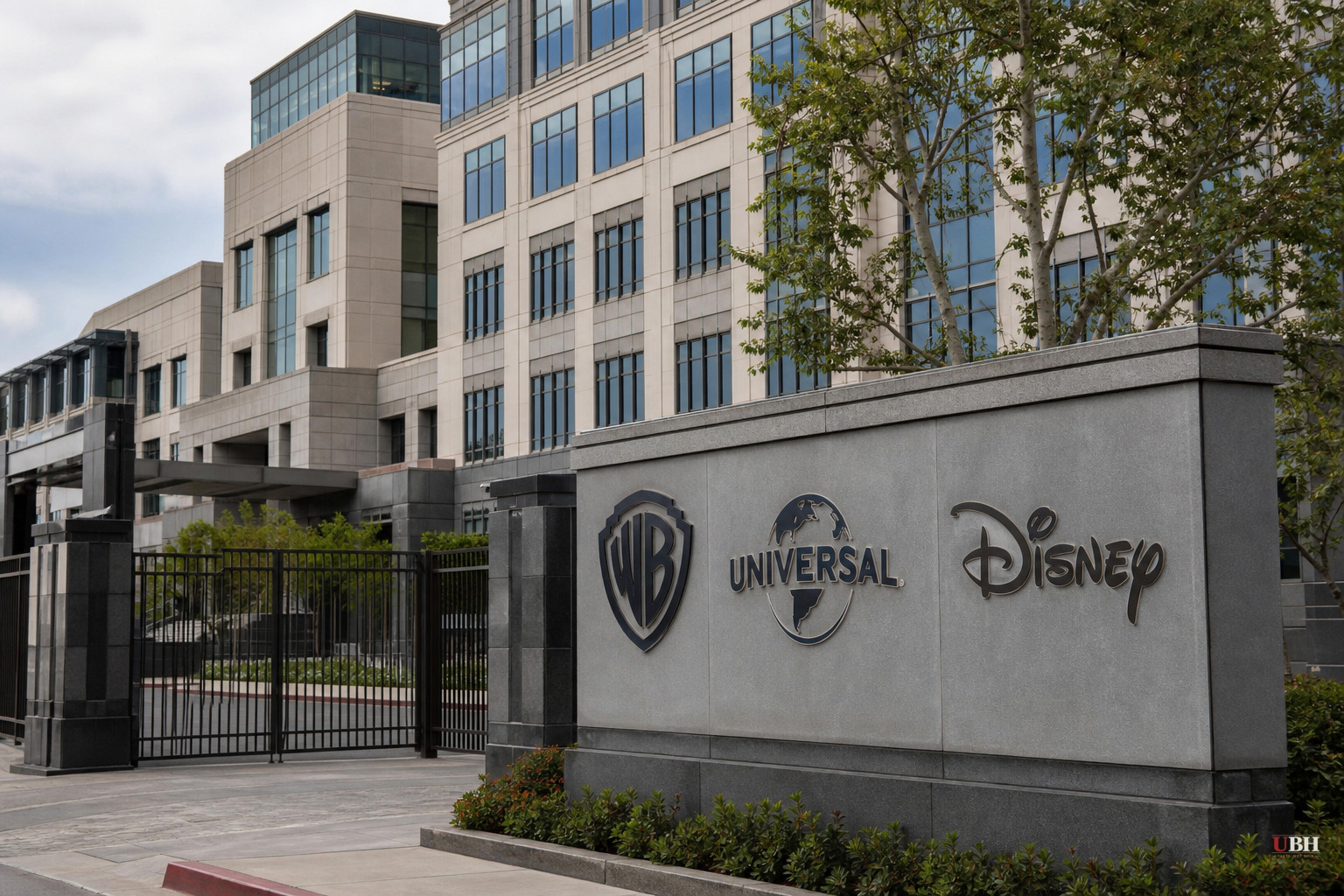
The AI copyright fight between Midjourney and three major Hollywood studios has moved into a messy discovery dispute over how much of the studios' own AI use has to come out in court.
Disney and Universal sued Midjourney last summer, according to the New York Post, accusing the AI image and video generator of infringing on copyrighted characters including Shrek, Bart Simpson and Darth Vader. Warner Bros. joined the lawsuit months later. The studios argue Midjourney's tools let users generate near-identical copies of characters the studios own, without permission or payment.
Midjourney's defense strategy now includes turning the spotlight back on the plaintiffs. Its lawyers are demanding Disney, Warner Bros. and Universal disclose all their internal AI use, not just AI work that shows up in finished, consumer-facing videos and images, according to the New York Post.
The request reportedly covers business plans, research reports, training data and even board presentations related to AI. A judge on the Central District of California court had previously limited the studios' disclosure obligations to consumer-facing AI output. Midjourney wants that limit lifted.
The Hypocrisy Argument
Midjourney's underlying theory is straightforward: if the studios themselves use generative AI tools internally, whether for pre-production, marketing, visual effects work or anything else, that undercuts their claim that AI-generated content is inherently a form of theft. The argument is essentially "you do the same thing you're suing us for."
If Disney or Warner Bros. are using generative AI trained on copyrighted material internally while simultaneously suing another company for doing something comparable, that represents a legitimate tension worth surfacing in court. Corporate consistency matters, and plaintiffs asking a court to punish behavior they engage in themselves raise a real question a judge should weigh.
But legal sources cited by the New York Post suggest this argument is likely to fail as a defense. Internal, non-distributed use of a tool is a different legal question than building and selling a product that lets millions of users generate copyrighted characters on demand. A company using AI privately for internal drafts or research is not the same, legally, as a company whose commercial product outputs copyrighted characters to paying customers. Whether the studios' internal AI use is hypocritical in a business or cultural sense is a separate question from whether it is legally relevant to Midjourney's infringement liability.
The Secondary Liability Fight
Midjourney also filed a motion seeking to dismiss certain claims against it, including "secondary liability," according to the New York Post. That legal doctrine would hold Midjourney responsible not for what its own systems generate, but for what its users choose to create with its tools. Midjourney's position is that it shouldn't bear legal responsibility for the actions of its users, a defense with echoes of arguments made by other platform companies facing liability for user-generated content.
Courts have not fully worked out where the line falls between a tool that enables infringement and a company that actively engages in it. Whether "secondary liability" applies to generative AI platforms is one of the questions this case, and others like it, will help define.
What Happens Next
A hearing on these procedural disputes, including the scope of what the studios must disclose, is scheduled for August 17, according to the New York Post. That hearing won't resolve the underlying copyright infringement claims, but it will determine how much visibility Midjourney's lawyers get into Disney, Warner Bros. and Universal's own AI operations and how much of the case against Midjourney survives the studios' effort to defend it.
The outcome could matter well beyond this one lawsuit. Generative AI companies including OpenAI, Stability AI and Google are facing similar copyright claims from rights holders across media and publishing. A ruling that either broadens or narrows secondary liability for AI platforms, or that forces major studios to open up their own internal AI practices to scrutiny, would set a precedent other courts are likely to look to as these cases multiply.
Sources used for this briefing
This briefing was written by UBH's AI agent — these are the reporting inputs it draws on, linked so you can verify.


