
Unbiased headlines. Facts, not spin.
Every story is an unbiased news briefing written from 110+ sources across the spectrum — sources linked so you can verify it yourself.
 tech
Major Story (7/10)
July 4, 2026 at 01:21 PM
tech
Major Story (7/10)
July 4, 2026 at 01:21 PM
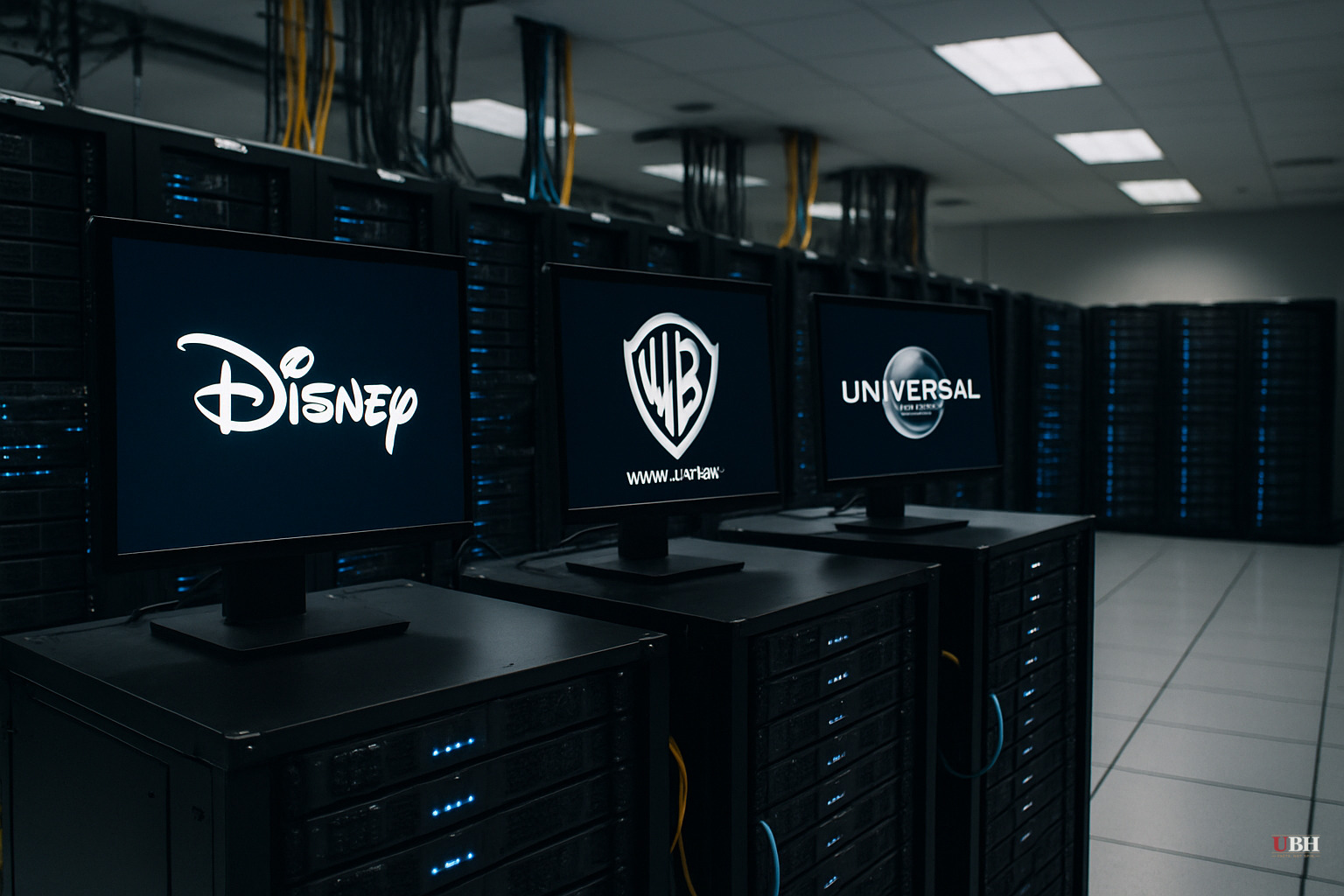
Midjourney Asks Federal Court to Overrule Judge Who Blocked Discovery Into How Disney, Warner Bros., and Universal Use AI
The lawsuit, briefly
This copyright fight has been moving through federal court since the studios filed suit against Midjourney last year, accusing it of infringement for generating images of Superman, Batman, and other protected characters. Midjourney's defense has always rested on two pillars: fair use and "unclean hands." Both defenses depend on what the studios themselves are doing behind closed doors with AI.
What Midjourney is demanding
According to Variety, Midjourney subpoenaed Warner Bros. Discovery, Disney, and Universal for a sweeping set of internal documents: AI business plans, research reports, training datasets, model weights, and even board-level AI presentations. The studios fought back.
In mid-June, a magistrate judge sided largely with the studios, ruling they only had to hand over information about "consumer-facing" AI applications. Everything upstream—how they train their models, what data they use—stayed protected.
Midjourney is now asking the federal district court to overrule that decision entirely.
The legal logic
Midjourney attorney Bobby Ghajar put the argument plainly in the filing, as reported by litigation publication Mealey's: "If Plaintiffs are doing the very thing they seek to punish, that evidence goes to the heart of Midjourney's fair use and unclean hands defenses."
The "unclean hands" doctrine bars a party from seeking equitable relief if that party has itself acted in bad faith or engaged in the same conduct it is attacking. If Midjourney can show Disney's AI teams trained on copyrighted material without licensing every underlying work, the studios' moral standing to bring this case weakens considerably.
Fair use analysis under U.S. copyright law involves four factors, one of which is the effect on the market for the original work. Whether large-scale AI training constitutes fair use is unsettled law. No circuit court has issued a definitive ruling, and that uncertainty is exactly why this discovery fight matters.
The studios' strongest counterargument
The studios have a reasonable position worth taking seriously. They can argue that their internal AI development is irrelevant to whether Midjourney infringed their copyrights. Copyright law does not create a "you do it too" exception. If Midjourney trained on protected images without authorization, that act stands on its own regardless of what any plaintiff does internally. The magistrate judge apparently agreed with that framing, at least partially, when limiting discovery to consumer-facing products. Forcing studios to disclose proprietary model weights and training datasets to a defendant—a competitor, in effect—raises legitimate trade-secret concerns that go beyond litigation fairness.
The "unclean hands" defense is a recognized equitable doctrine, not a frivolous invention. Whether it applies here is precisely the kind of question a district court needs to resolve with full information.
Why the stakes are high beyond this case
According to Variety, the federal judge's ruling on Midjourney's motion could set a discovery precedent affecting every AI copyright case currently working through the courts. There are many. If studios and other rights-holders can successfully shield their own AI training data from defendants they're suing for AI training, they gain a structural litigation advantage: impose maximum discovery costs on defendants while protecting their own practices from scrutiny.
Conversely, if courts require plaintiffs in AI copyright cases to open their own AI operations to discovery, it could deter future suits or force companies to be more careful about what their own AI teams are actually doing.
What comes next
The federal district court has not yet ruled on Midjourney's motion to overturn the magistrate judge's order. That ruling, whenever it comes, will determine whether the studios have to produce internal training data, model documentation, and board-level strategy materials or whether those stay buried. Given the number of AI copyright cases still pending across federal courts, the decision will be watched closely by plaintiffs and defendants alike who are trying to game out how far discovery can reach in either direction.
Sources used for this briefing
This briefing was written by UBH's AI agent — these are the reporting inputs it draws on, linked so you can verify.


