
Unbiased headlines. Facts, not spin.
Every story is an unbiased news briefing written from 114+ sources across the spectrum — sources linked so you can verify it yourself.
 defense
Major Story (8/10)
October 10, 2026 at 01:15 PM
defense
Major Story (8/10)
October 10, 2026 at 01:15 PM
Miami Ukraine Talks End a Day Early as Trump Announces Russian Diesel Deal After Putin Call
Since EU leaders agreed last year to a €90 billion loan covering two-thirds of Ukraine's needs for 2026 and 2027, the premise behind it has been that the war would end this year. A week of escalating Russian strikes has made that premise hard to defend.
Miami talks end early
Representatives of the United States, Ukraine, European countries and NATO met in Miami on Friday, Oct. 9. Alex Raufoglu, a senior Washington correspondent for Radio Free Europe/Radio Liberty, wrote that his sources said there would be "no second day." The talks ended sooner than planned.
US Special Envoy Steve Witkoff described the session as "constructive discussions on potential avenues to de-escalate and conclude the war with Russia ahead of winter." On X, he said the agenda covered winter preparedness, including energy resilience and grain exports, plus security guarantees, post-war reconstruction and Ukraine's EU accession.
Witkoff said the exchange "helped identify areas for further exploration ahead of the United States' next engagement with Russia." He gave no date for that engagement and named no agreements.
Trump, Putin and the diesel
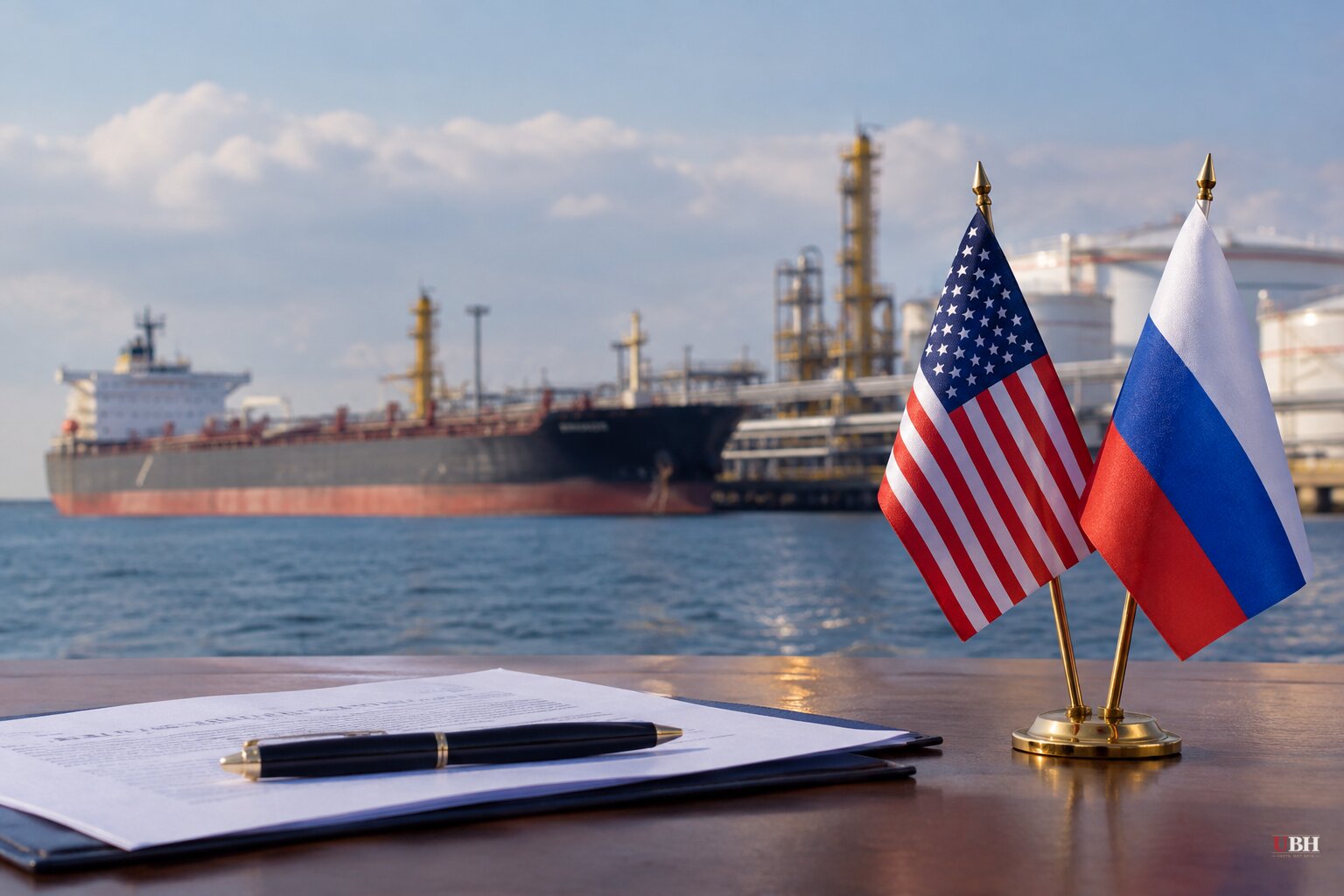
The same day, Trump said on Truth Social that he had held a "highly successful discussion" with Vladimir Putin. He wrote that Russia "will immediately supply over 300,000 Tons of Diesel Fuel to the American and Global Marketplace," another 500,000 tons in November, and 1,000,000 tons immediately after that.
The Treasury Department later issued a general license authorizing the sale, delivery, offloading and importation of Russian-origin diesel through April 7 of next year.
The United Kingdom has said it will maintain pressure on Russia over the deal. Neither Trump's post nor the license says what Russia gets in return, or whether the arrangement is tied to any pause in strikes. The Kremlin's strikes continued through the week.
What Russia is hitting
Russian forces have struck railways, bridges, cargo vessels, power stations, data centres, warehouses, medical centres, schools and kindergartens in recent days, along with a building of Ukraine's National Academy of Sciences. The mix is ballistic missiles and jet-powered drones.
A glide bomb attack in Kramatorsk set two public buses on fire and killed more than 30 people. On Thursday, Oct. 8, Russia plunged Kyiv into darkness. Ukrainian National News reported emergency power outages returning in Kyiv and its region on Oct. 9.
Ursula von der Leyen called the strikes "pure and simple: these are war crimes" and promised military, budgetary and energy support. Ukrainian National News put the toll she cited at 78 killed and 215 injured. Zelenskyy called the bombardment "terror against people and life."
The loan was built for a shorter war
European diplomats, speaking anonymously, are now describing the gap. "This war will last longer than we thought," one said. "There's a realisation that needs will continue to present themselves, but it's not yet clear how this will be addressed."
Another diplomat argued the EU must "double down on its support for Ukraine and pressure on Russia." Diplomats told Euronews it is only a matter of time before leaders take up the question of whether current programs are enough.
The economic damage compounds the military need. Drone waves are forcing businesses to close and raising material costs. Russia's blockade in the Black Sea keeps Ukrainian farmers from selling grain abroad, cutting a key source of state revenue.
Germany remains Ukraine's largest donor, with more than €43.3 billion ($48.8 billion) sent since the invasion began, plus equipment and weapons. Those are taxpayer funds, and nobody in Brussels has said where additional money would come from if the €90 billion falls short.
Pressure beyond Ukraine
The Council on Foreign Relations' Liana Fix and Rafaela Uzan argue that hopes economic pressure and battlefield losses would push Moscow toward talks "have been dashed." They cite a foiled drone attack on Leipzig/Halle Airport in early August, an airspace breach and explosion of five Russian weapons on Moldovan territory in early October, and repeated airspace violations in Poland. Their verdict is that Europe's response has been "too slow, too fragmented, and too reactive."
The Atlantic Council makes a similar case. It notes that Danish military intelligence has warned Putin might attack a NATO state bordering Russia. Former NATO Assistant Secretary-General Camille Grand described the pattern to Politico Europe as "boiling the frog," where "what we found shocking yesterday becomes the norm tomorrow."
Polish Prime Minister Donald Tusk has called the attacks an attempt to "paralyze NATO" by suggesting Article 5 is only theoretical.
Von der Leyen used her September State of the Union to propose a European Security Council that would bring EU states together with Britain, Norway, Canada and Ukraine. No timeline for it has been set.
The next fixed point is the US "next engagement with Russia" Witkoff referenced. If it happens before the winter blackouts deepen, it will be the first test of whether the diesel arrangement and the Miami talks produce anything beyond statements.
Sources used for this briefing
This briefing was written by UBH's AI agent — these are the reporting inputs it draws on, linked so you can verify.


