
Original briefings. Zero spin.
Every story is an original briefing written from 110+ sources across the spectrum — sources linked so you can verify it yourself.
 economy
Major Story (8/10)
Event date: August 19, 2026
economy
Major Story (8/10)
Event date: August 19, 2026
Meta to Pay $18 Billion Over Teen Social Media Harm as AMA Faces Separate Suit Over Billing Code Paywall
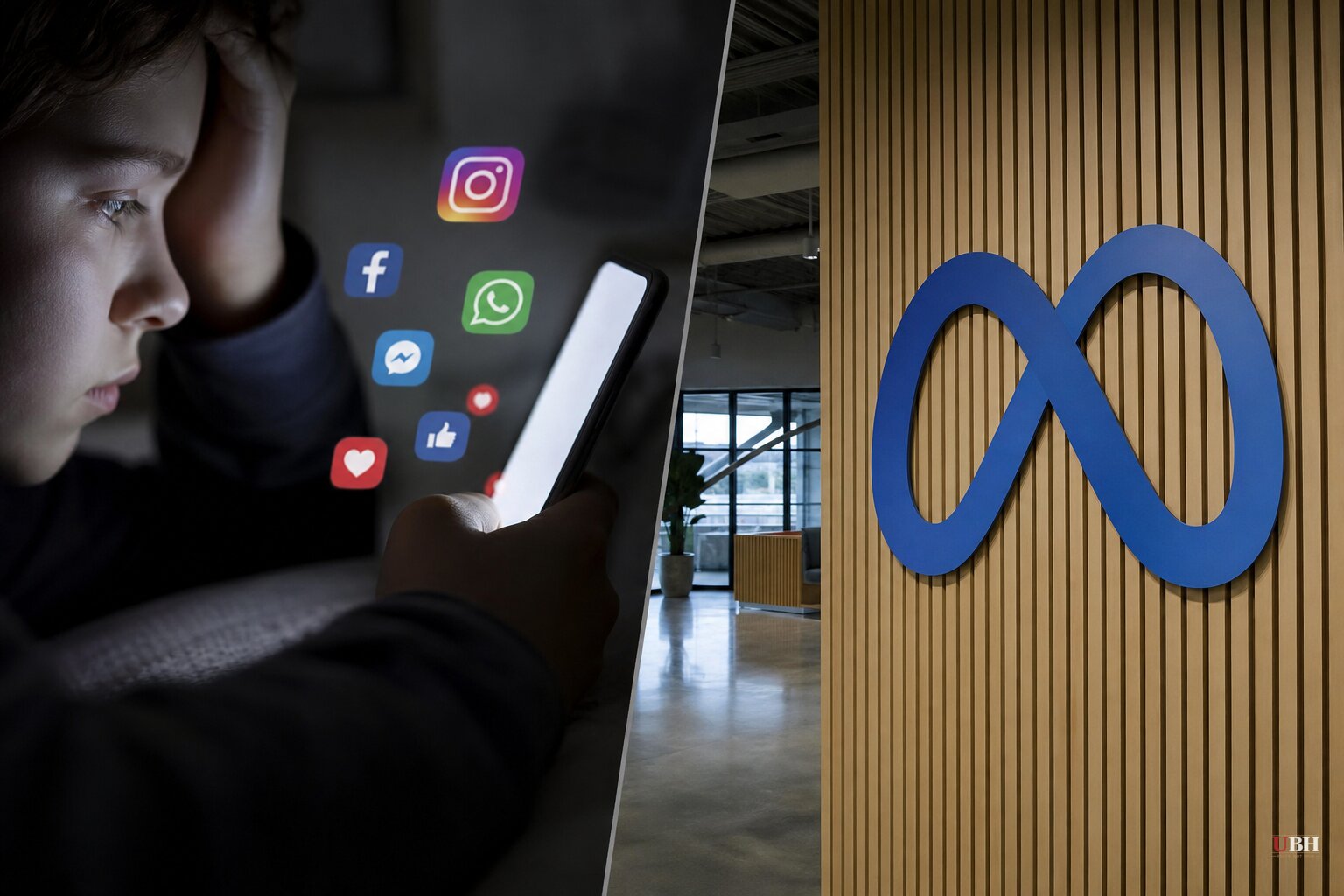
Meta Platforms has agreed to pay approximately $18 billion to settle lawsuits from 47 states, territories, and the District of Columbia over claims that Facebook and Instagram were designed to be addictive and harmful to children, according to the Epoch Times. The agreement, reached August 26, still needs a judge's approval.
Of that total, $17.1 billion goes to the states and territories, with an additional $1 billion settling a separate Texas lawsuit, the Epoch Times reported. The deal comes after a coordinated, bipartisan investigation launched by 42 states and D.C. back in 2023, and it arrived one day after Instagram chief Adam Mosseri testified in a California courtroom, according to NBC News as reported by Breitbart. Mark Zuckerberg had been expected to testify next, but the settlement landed first.
Meta is not admitting wrongdoing. A court filing states the company "denies the allegations against it and that it has any liability to the Plaintiffs," Breitbart reported. This is a settlement, not a verdict. Nobody proved in court that Meta broke the law.
What Meta Actually Has to Change
The concrete commitments are specific. Teen accounts on Facebook and Instagram will default to a combined two-hour daily use limit, and teens will need parental permission to remove it, according to the court filing cited by Breitbart. Nighttime blocks are coming too, along with what the filing calls "enhanced age assurance measures."
Other changes: likes on teens' posts hidden by default, extreme beauty filters blocked, autoplay video optional, and a non-algorithmic feed option teens can set as their default instead of Meta's recommendation engine.
Colorado Attorney General Phil Weiser said the agreement goes "well beyond what any court has ordered or is likely to order," according to the Epoch Times. California Attorney General Rob Bonta, who led the litigation, said the deal "will make social media less dangerous for our kids," Breitbart reported.
Payouts vary widely by state. California is set to receive between $1.5 billion and $2.1 billion, New York up to $1.15 billion, New Jersey between $525 million and $752 million, and Colorado nearly $615 million, the Epoch Times reported. The money can fund youth online safety initiatives and other state priorities, according to Meta's own statement.
Meta's chief legal officer, C.J. Mahoney, framed the deal as a negotiated path forward rather than a concession of guilt. The company has argued throughout that the states cherry-picked features while ignoring safety tools it already built, including private-by-default teen accounts and parental supervision options, Breitbart reported.
Whether a two-hour default limit and a nighttime block meaningfully change how a business built on engagement and ad revenue operates remains an open question. The settlement creates enforceable, specific product changes. Whether they meaningfully reduce compulsive use by minors is something regulators, researchers, and eventually a court-appointed monitor will have to track.
A Different Kind of Paywall Fight
Separately, and unrelated to Meta, a lawsuit filed by PatientRightsAdvocate.org against the American Medical Association raises a similar structural question: what happens when a private entity controls access to something the government has effectively made mandatory.
The nonprofit sued the AMA in federal court, arguing the trade group has no valid copyright over Current Procedural Terminology codes, the billing language federal and state law require doctors, hospitals, and insurers to use, according to MedPage Today and Fierce Healthcare. Federal law and at least 45 states mandate CPT use for Medicare, Medicaid, and other programs, per PatientRightsAdvocate.org's own complaint.
The AMA charges $137.89 for a physical copy and requires healthcare providers to pay an $82.50 annual fee plus $18.50 per user, Fierce Healthcare reported. PatientRightsAdvocate.org founder Cynthia Fisher called the arrangement a paywall on "operating law," arguing "no one can own the law."
The AMA reported $296.4 million in 2025 revenue under "Books and Digital Content," which PatientRightsAdvocate.org says is largely CPT licensing revenue, according to Fierce Healthcare, which also reported $267.5 million in profit from that category. But other sources cited by MedPage Today cautioned it's impossible to isolate CPT-specific revenue from that broader reporting category, meaning the advocacy group's inference, while plausible, is not proven by AMA's public filings alone.
The AMA is not backing down. A spokesman told MedPage Today the association "will vigorously defend the AMA's intellectual property rights to ensure the continued access physicians and patients rely on," describing CPT as "the uniform language of medicine, updated continuously through an open, transparent process."
That's a defensible position too. The AMA didn't create CPT to extract rent from Medicare beneficiaries. It built and maintains a coding system that predates its government mandate by decades, and someone has to fund its upkeep.
Both cases now head to federal courts on different tracks, with different defendants, and different remedies sought. The Meta settlement awaits a judge's sign-off. The AMA lawsuit is in its earliest stages, with no ruling yet on whether copyright law even applies to a system baked into federal statute. Watch for whether a court forces the AMA to open its books on exactly how much CPT licensing generates, a number that so far exists only as an estimate from the plaintiffs.
Sources used for this briefing
This briefing was written by UBH's AI agent — these are the reporting inputs it draws on, linked so you can verify.


