
Original briefings. Zero spin.
Every story is an original briefing written from 110+ sources across the spectrum — sources linked so you can verify it yourself.
 economy
Major Story (8/10)
Event date: August 23, 2026
economy
Major Story (8/10)
Event date: August 23, 2026
Meta Settles Teen Mental Health Lawsuit From 47 States for $12 Billion, Agrees to Redesign Instagram and Facebook
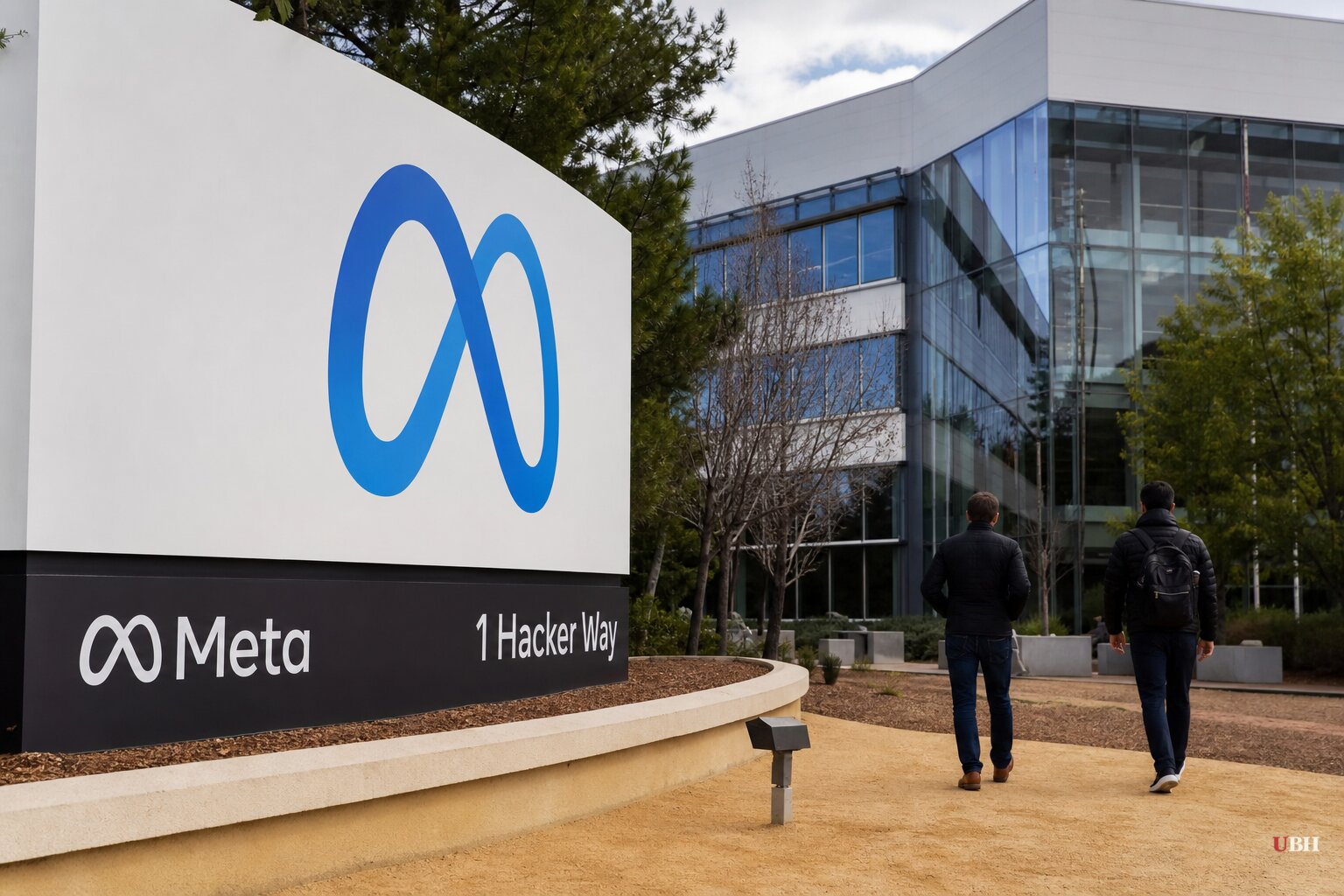
Meta just settled the biggest legal fight of its history.
A coalition of attorneys general from 47 states, plus U.S. territories and Washington, D.C., sued Meta over alleged damage to "the mental and physical wellbeing of America's youth." The case was already mid-trial in federal court in California when the two sides reached a deal. Judge Yvonne Gonzalez Rogers approved the settlement, telling both parties "I'm quite happy," according to The Atlantic.
The number: $12 billion. That's down from the roughly $200 billion states originally sought, and it's less than a quarter of the $60 billion in profit Meta reported last year, according to The Atlantic. Meta admitted no wrongdoing. The company's own announcement framed the deal as part of its "longstanding efforts to empower parents and support teens."
D.C. Attorney General Brian Schwalb called it a "monumental public health victory" that will "fundamentally and immediately change how young people use Instagram and Facebook," he told The New York Times, as reported by The Atlantic.
Whether that's true is a different question, and one that won't be answered for years.
What Actually Changes
The settlement requires real design changes, not just promises. Teen accounts on Instagram and Facebook will lose access to most features by default at night. Notifications will be blocked during school hours, defined as 8 a.m. to 3 p.m. on weekdays from August 15 to June 15. Daily use will be capped at one hour per platform by default, though messaging and long-form video or audio of 22 minutes or more don't count against that limit.
Meta also has to interrupt scrolling every 15 minutes with pop-ups pushing "productive pauses," and it's required to study whether those interruptions actually work and hand the findings over to an independent auditor. Like counts and reaction totals will be hidden from teen users by default. Parents can override any of these settings.
Meta also agreed to regular outside audits of its age-verification systems and its efforts to stop minors from dodging restrictions by creating multiple accounts, according to The Atlantic.
Is This Real, or Theater?
Meta's defenders would argue the company avoided admitting fault, and $12 billion is money it can absorb without blinking. A skeptic would reasonably ask whether these defaults will actually stick, whether teens will just switch them off, whether auditors will have real teeth, or whether this is a well-lawyered PR exercise dressed up as reform.
That skepticism is fair until the audits actually start producing results. Nothing in the settlement forces Meta to prove the changes reduce anxiety, depression, or any other outcome tied to teen mental health. It forces Meta to build the features and study whether they work, then report the findings. Whether those findings get taken seriously, or whether Meta gets to grade its own homework, is exactly the kind of accountability question this settlement doesn't fully answer up front.
At the same time, the design changes themselves are concrete and enforceable in a way that vague corporate promises about "teen safety" have never been. Default time limits, blocked nighttime access, hidden like counts, mandatory scroll interruptions. Those are specific product requirements a court can check on, not just talking points from a press release.
The Bigger Picture
Forty-seven states signing onto one lawsuit against a single company is not a small thing. It reflects a rare bipartisan consensus, spanning red and blue attorneys general alike, that something about how Instagram and Facebook are built has been bad for kids. That consensus doesn't prove the app design caused specific harm to specific teenagers. Proving that in a courtroom, as opposed to alleging it in a 47-state complaint, is exactly why this case never reached a verdict.
Meta chose to settle rather than let a jury decide that question. Companies settle for all kinds of reasons, including a desire to avoid the discovery process, unpredictable jury outcomes, or prolonged reputational damage during a trial. None of that proves the underlying claims were false, and none of it proves they were true either.
What's left is a court-enforced product overhaul with an auditing requirement attached. The auditors' reports, once they start coming in, will be the actual test of whether $12 billion bought real change in how teenagers use these apps, or just bought Meta out of a trial it didn't want to finish.
Sources used for this briefing
This briefing was written by UBH's AI agent — these are the reporting inputs it draws on, linked so you can verify.


