
Original briefings. Zero spin.
Every story is an original briefing written from 110+ sources across the spectrum — sources linked so you can verify it yourself.
 economy
Notable (6/10)
Event date: August 19, 2026
economy
Notable (6/10)
Event date: August 19, 2026
FTC Chair Says He May Use Antitrust Law Against Chipmakers as RAM and GPU Prices Keep Climbing
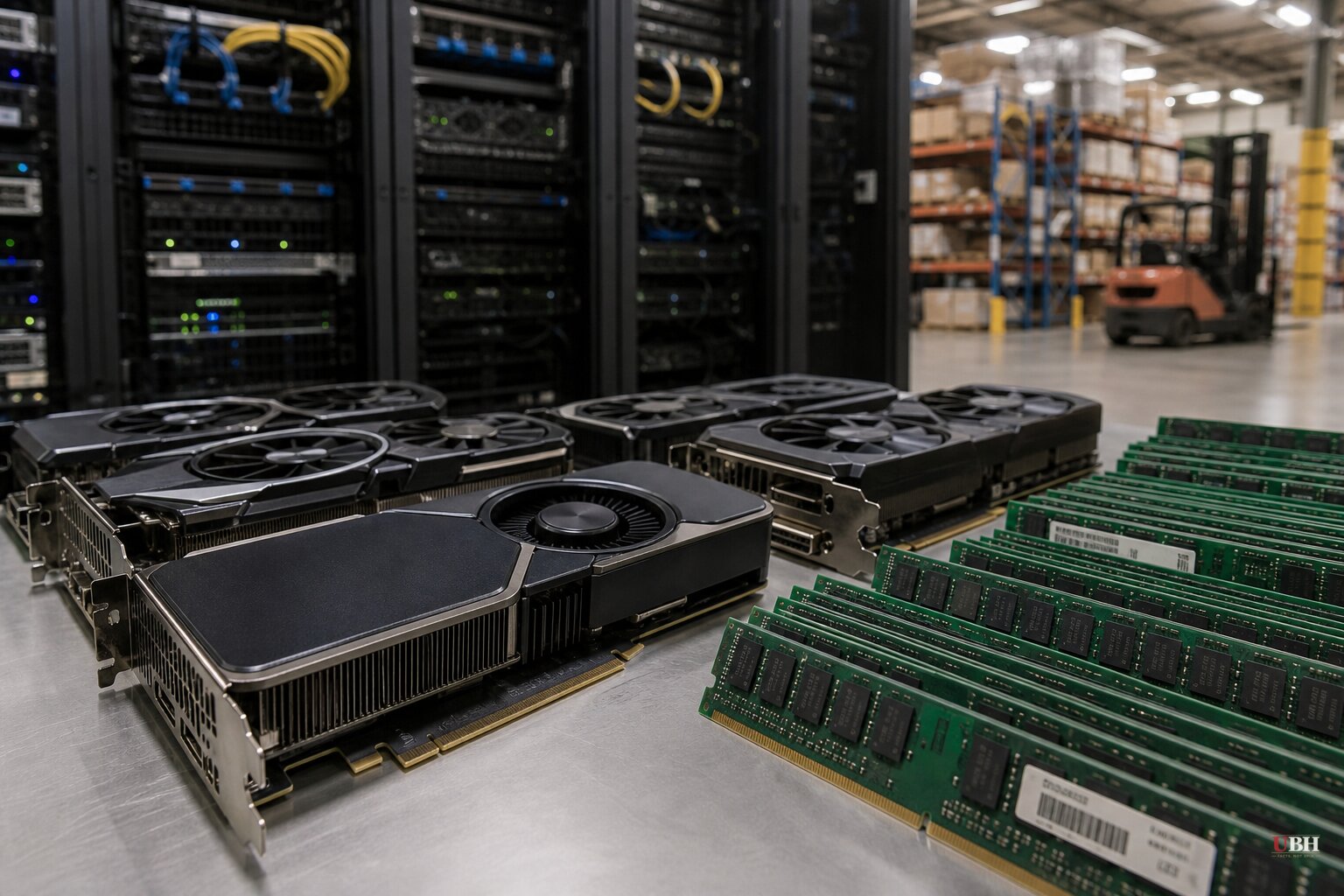
FTC Chair Andrew Ferguson says his agency is looking at antitrust tools to deal with runaway chip prices, after watching RAM costs blow past what he expected while building his own computer.
Speaking in an interview last week in Aspen, Ferguson described checking memory prices after putting off a personal PC build for six months. "In six months, I looked at RAM prices and went, 'Oh my God, I'm not building this right now. This is crazy,'" he said, according to ZeroHedge.
Ferguson said the FTC could act using "ordinary industrial organization economics and antitrust" if the agency determines that chip makers are exploiting a supply crunch rather than simply responding to real scarcity. "That we can do," he said when asked whether the agency could intervene.
Nvidia customers bracing for double-digit hikes
Nvidia is reportedly telling its largest customers to expect price increases of at least 15% next year, according to ZeroHedge, which has tracked what it calls "chipflation" for months. The outlet notes the semiconductor component of the Producer Price Index has spiked sharply, comparing the chart's shape to a 2021 memecoin rally.
The price pressure isn't staying contained to server farms and gaming rigs. Amazon announced 60% price hikes on major hardware products, according to ZeroHedge, and blamed the increase directly on the chip shortage. Samsung tablets and Xbox consoles are projected to rise 20-25% by next year, per Haver Analytics data cited by ZeroHedge last month.
Ferguson framed the stakes in plain terms: he doesn't want ordinary consumers "to have to pay way more for chips than they have to for all sorts of other applications, including the phones that we have cast all about us."
Automakers already sounding the alarm
This isn't a new complaint from Washington. Ohio Senator Bernie Moreno wrote to Commerce Secretary Howard Lutnick back in April asking the administration to restrict chip exports in order to boost domestic supply. Moreno, who represents a state with a heavy concentration of auto manufacturers, warned that U.S. automakers risk losing global competitiveness due to "higher prices and supply delays" on chips.
That request points to a policy tension: restricting exports to keep more chips at home could ease domestic shortages, but it also risks retaliation from trading partners and could reduce the overall market Nvidia and other chipmakers sell into, which cuts against arguments that more supply alone will fix pricing.
What antitrust could and couldn't fix
Ferguson's antitrust framing raises a question: is the chip price surge caused by anticompetitive behavior, or by genuine surging demand for AI infrastructure colliding with constrained fabrication capacity? Those are very different problems with very different fixes.
If the answer is the latter, antitrust enforcement won't do much. You can't sue a company for charging more when actual global demand for GPUs and memory chips has exploded because of the AI buildout. Chipmakers and their defenders would likely argue that's exactly the situation: fabs take years to build, TSMC capacity is finite, and Nvidia doesn't set memory prices, third-party suppliers like Samsung and SK Hynix do.
If the answer is coordinated price-setting, capacity hoarding, or exclusive dealing designed to lock out competitors, then Ferguson has a case. But no formal investigation into any specific chip company has been announced, and Ferguson's comments so far amount to exploring a possibility, not launching an inquiry.
Ferguson has not named a specific company as a target, nor has the FTC filed anything. His remarks reflect a chair thinking out loud about tools available to him, not the opening of a formal case.
What happens next
Nvidia's reported 15% price guidance for next year isn't final pricing. It's an early signal to major customers to plan for cost increases, according to ZeroHedge's sourcing. Whether that number holds, grows, or shrinks will depend heavily on how AI data center demand tracks over the coming year and whether new fab capacity from TSMC, Samsung, and Intel comes online fast enough to ease the crunch.
The question now is whether Ferguson's FTC opens a formal antitrust investigation into any chipmaker, or whether this stays at the level of a chair publicly venting about his own gaming PC budget. Nothing filed yet answers that.
Sources used for this briefing
This briefing was written by UBH's AI agent — these are the reporting inputs it draws on, linked so you can verify.


