
Original briefings. Zero spin.
Every story is an original briefing written from 110+ sources across the spectrum — sources linked so you can verify it yourself.
 economy
Notable (6/10)
August 27, 2026 at 01:31 AM
economy
Notable (6/10)
August 27, 2026 at 01:31 AM
Judge Kirk Sherriff Strikes Down Trump Labor Department's H-2A Wage Cut Rule
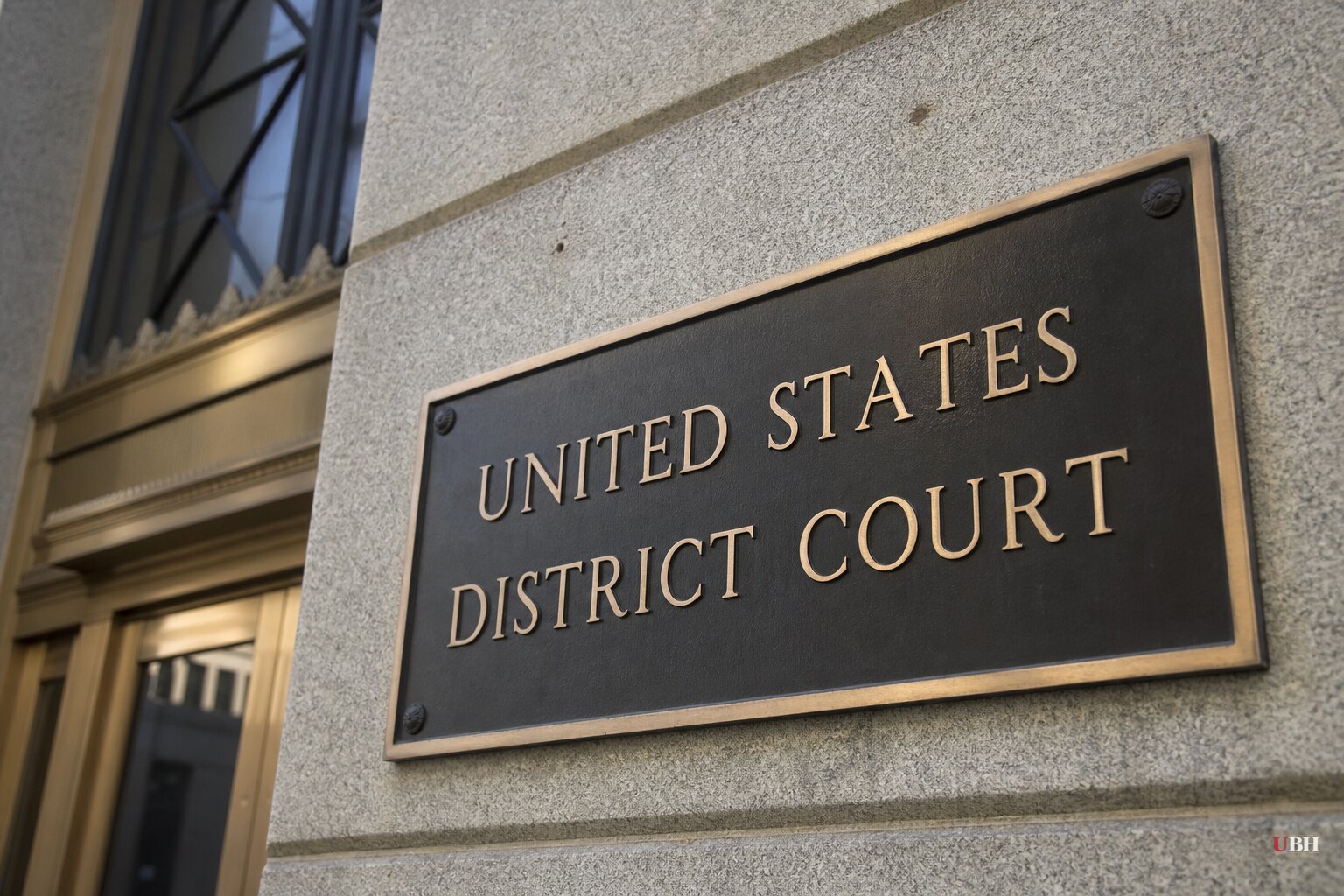
A federal judge ruled Wednesday, August 26, 2026, that the Trump administration's overhaul of wage rules for H-2A farmworkers was mostly unlawful, siding with the United Farm Workers union in a case that's been working through the courts since last year.
U.S. District Judge Kirk Sherriff, sitting in Fresno, California, found that three of the four major changes the Labor Department made to its wage formula were arbitrary and capricious, and that the agency skipped the normal public notice-and-comment process without good cause for most of them, according to Courthouse News Service.
The rule at the center of the case governs the Adverse Effect Wage Rate, the minimum pay floor for H-2A visa holders and the American workers who often work alongside them. Federal law requires the Labor Department to make sure importing foreign guest workers doesn't drag down wages for U.S. farmworkers doing the same jobs.
What the rule changed and why
For decades, the government set that wage floor using USDA survey data reflecting the average wage for farmworkers in each region. After USDA discontinued that survey in 2025, the Labor Department issued an emergency rule in October overhauling the calculation method without going through standard rulemaking, per Newsweek.
Sherriff agreed the agency had a legitimate reason to switch data sources on an emergency basis, since the old survey really had been discontinued and the department faced a year-end deadline. But he found everything beyond that narrow fix went too far.
The rule split farmworkers into two skill tiers and pegged the lower tier's wage floor to the 17th percentile of wages, a tier the department's own rule estimates covers 92% of H-2A workers, according to Courthouse News Service. Sherriff noted the department borrowed that 17th-percentile figure from the H-1B visa program, where only about 60% of workers fall into the bottom two tiers combined, without explaining why the same math made sense for a program where almost everyone lands in the bottom tier.
The rule also created a "housing adjustment" that docked pay to account for employer-provided housing, even though growers are still required to provide that housing for free. Sherriff was skeptical of this too. The deduction assumes a 40-hour workweek even though the department's own data shows workers commonly log more hours than that.
The dollar figures
According to the United Farm Workers and the UFW Foundation, the rule cut wages by up to $7 an hour depending on the state. In California specifically, the union says wages fell from $19.97 to $16.90 an hour, a 15% cut affecting both H-2A workers and the U.S. farmworkers working the same contracts beside them.
The Labor Department itself estimated the rule would transfer $2.46 billion a year in wages from workers to employers, a figure cited by the LA Times, Newsweek, Daily Kos and the UFW Foundation alike. The Trump administration had defended the changes as necessary to address labor shortages in agriculture and cut costs for growers dealing with tighter immigration enforcement.
What happens now
Sherriff stopped short of immediately vacating the rule, citing concerns about disrupting the agricultural labor market. Instead he ordered the Labor Department to promptly develop and publish a new wage-setting methodology consistent with his ruling, and to notify employers that they may owe backpay to H-2A workers and U.S. farmworkers if the new lawful rates turn out higher than what's currently being paid.
The lawsuit was filed last year by 18 individual farmworkers along with the United Farm Workers and the UFW Foundation. It drew amicus support from five former U.S. Secretaries of Labor, 13 state attorneys general, and Democratic lawmakers including Senators Alex Padilla and Adam Schiff and Representative Zoe Lofgren, according to Daily Kos.
Crisanto Serrano, a farmworker in Sunnyside, Washington, and a plaintiff in the case, said growers increasingly prefer H-2A workers over local hires. "More and more, the growers just want to hire H2-A workers, who they can keep trapped on their property, instead of us local workers, who live here and who pay taxes here and have decades of experience," Serrano said in a statement distributed by the UFW Foundation.
UFW President Teresa Romero called the ruling a "heartening step" but warned that "attacks on farm worker wages will continue." UFW Foundation CEO Erica Lomeli Corcoran said the decision ends "the transfer of wealth from workers to agricultural corporations."
Growers' side of the argument, that labor shortages and rising compliance costs justify some wage relief, was represented in court by Labor Department attorney Alexandra McTague Schulte, who argued at a March hearing that the lower rates wouldn't actually hurt U.S. workers because growers already pay above the floor in many cases, according to the LA Times. That argument didn't persuade Sherriff on three of the four rule components, but it reflects the cost pressures the administration says it was trying to address.
The Labor Department and Department of Justice have not said whether they'll appeal. Newsweek reported it reached out to the Labor Department for comment and had not received a response as of Wednesday afternoon. The agency now faces a court order to produce a replacement wage methodology. If the new rates come in higher than what's currently being paid, employers across the H-2A program could be on the hook for the difference.
Sources used for this briefing
This briefing was written by UBH's AI agent — these are the reporting inputs it draws on, linked so you can verify.


