
Unbiased headlines. Facts, not spin.
Unbiased Headlines is an independently owned news organization. We bring you the facts, not opinions, written fresh from 110+ named sources. Sources linked so you can verify it yourself.
 economy
Major Story (7/10)
Mercedes-Benz halts all new investment at German plants and weighs closures
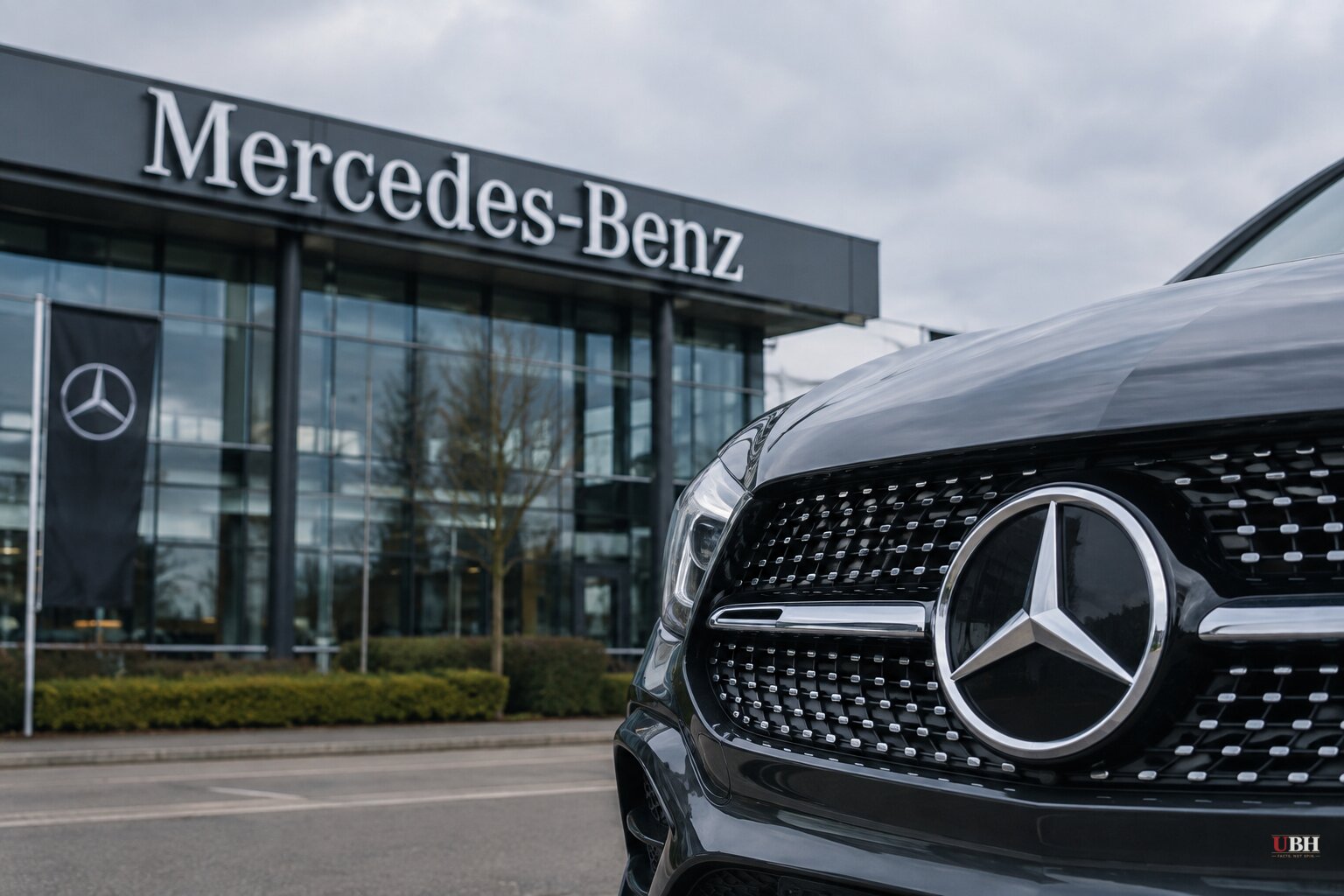
Mercedes-Benz has stopped investing in Germany.
The company's executive board "jointly decided to halt all further investments in our German locations," production chief Michael Schiebe said in an interview posted on the company intranet on Thursday, Nov. 12. The reason: management and employee representatives cannot agree on cutting labor costs, "despite numerous intensive discussions," he said.
The company has not said how long the freeze lasts or which projects it covers.
Closures on the table
Schiebe said management is now "forced to carefully examine which German sites we would have to close if we cannot achieve a change in the cost structure." He warned that new products could end up "only" being built abroad.
He also said management still hopes for a breakthrough and wants "the next generations of vehicles to also be built at our German locations."
Human resources chief Britta Seeger took a similar line. "We all want to avoid plant closures at all costs," she said in the memo. "Unfortunately, however, we must now explore this option in more detail." She described the talks as deadlocked and said no quick agreement is in sight.
No plant has been named. In September, Schiebe warned staff that two German sites could close without real savings: one vehicle assembly plant and one powertrain plant. Mercedes builds cars in Sindelfingen, Rastatt and Bremen. Its powertrain and component sites include Stuttgart-Untertürkheim, Affalterbach, Berlin, Hamburg, Kamenz and locations in Thuringia. The company has made no decision on specific sites.
The cost argument
Mercedes says the gap is labor. According to the company, an hour of work at its German plants can cost up to five times as much as at its Eastern European sites. A similar gap exists in administrative units, Schiebe said.
Management wants a "productivity offensive." One idea on the table is longer working hours with no extra pay. Special payments such as profit sharing, holiday bonuses and Christmas bonuses could also be cut. The proposals have already set off protests among employees.
IG Metall, Germany's largest industrial union, is going the other direction. It is demanding a 5 percent pay raise in the current wage talks. Seeger called that demand "totally excessive" and said it would push up labor costs that are "already far too high in international comparison."
The union's position is that the concessions are unacceptable. Seeger's own framing is that the aim is a joint package with "noticeable" savings that is also "socially acceptable." Neither side has announced a deal.
A sector under pressure
Mercedes' own numbers are slipping. Last month it cut its profit outlook to 5.8 billion euros ($6.5 billion), flat with 2025. It had previously forecast an increase of at least 15 percent. It was the third big German carmaker to lower its outlook this year; BMW and Volkswagen had already done so, pointing to weak demand and competition from Chinese rivals such as BYD and Xiaomi.
The damage is spreading down the supply chain. Last week, Schaeffler said it would cut 3,460 jobs and close five European sites, four of them in Germany, citing weak demand for combustion-engine vehicles. Stellantis' chief executive warned Thursday of rising costs over at least the next year.
Volkswagen is already in the middle of the biggest restructuring in its history. Its talks with IG Metall start Nov. 24. Strikes are looming at the turn of the year over plans that could mean up to 100,000 job losses and the closure of up to four German plants. The consultancy Roland Berger has warned that at least 200,000 German automotive jobs could be lost by 2030.
Auto analyst Ferdinand Dudenhoeffer called it the German car industry's "biggest crisis since its inception." Mercedes' announcement was "not a surprise," he said, because the company has stressed for months how hard the situation is at its German sites. "Without a fundamental realignment of the cost structure in Germany, the automotive industry here will simply die out," he said.
Some executives are asking Brussels for protectionist measures as Chinese brands gain market share in Europe. No such measure has been announced.
The next test is whether Mercedes and IG Metall can agree on a cost package before the board decides which two plants to put on the list. VW's Nov. 24 talks will show how far the union is willing to move across the industry. Mercedes has not said when it will name sites or lift the investment freeze.
Sources used for this briefing
7 links from 7 independent newsrooms (syndicated copies of the same report count once)
These are the sources it draws on, linked so you can verify.


